
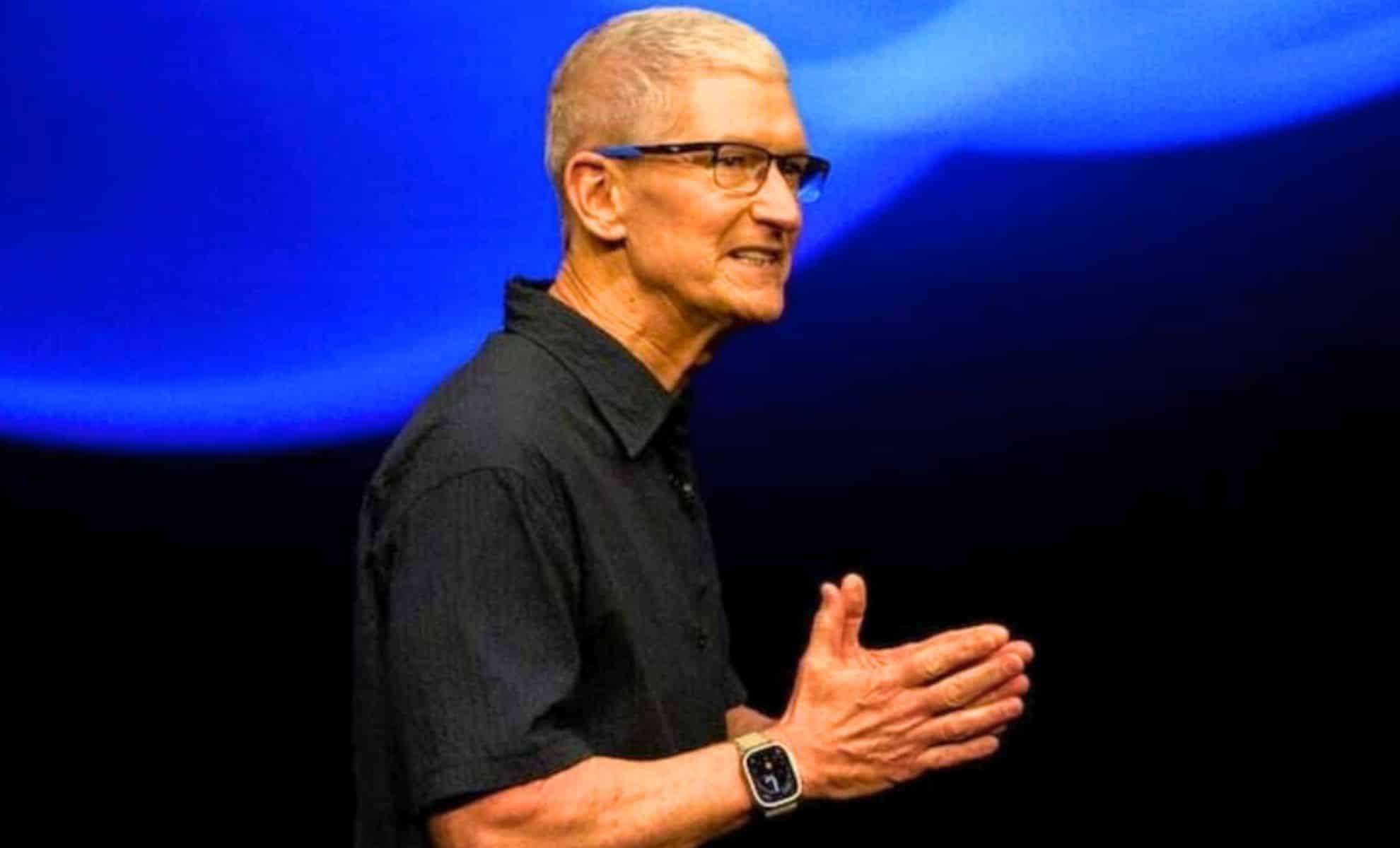
Once hailed as the pinnacle of technological advancement, smartphones appear to be nearing an era of decline. Recent analyses from IDC and Statista reveal a notable deceleration in worldwide smartphone shipments over the past five years, attributed to saturated consumer demand and diminishing upgrade incentives. Meanwhile, leading innovators like Elon Musk, Mark Zuckerberg, Sam Altman, and Bill Gates are shifting focus away from smartphones to future technology horizons.
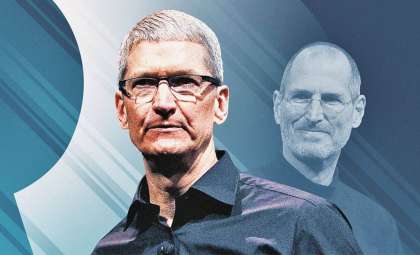
These trailblazers are channeling funds into next-generation interfaces that bypass conventional smartphones. Innovations such as brain-computer implants, augmented reality eyewear, and skin-integrated digital tech are gaining traction. In contrast, Apple CEO Tim Cook is persevering with gradual enhancements to the smartphone, while such pioneers envision a future without screens.
Emergence of Seamless and Integrated Computing
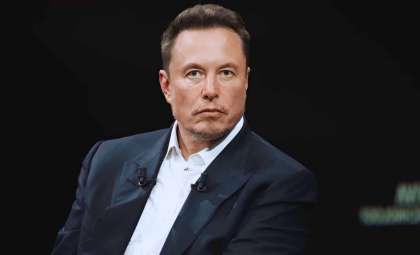
Elon Musk’s Neuralink recently achieved a breakthrough by implanting its brain-computer interfaces into two human participants, advancing the potential for thought-driven device control. The ambitious goal is to eradicate physical interaction—users could operate technology solely through neural impulses without tapping or speaking.

Concurrently, Bill Gates has backed Chaotic Moon, a startup from Texas crafting digital tattoos embedded with nanosensors. These skin-worn devices gather and relay information, supporting needs from health diagnostics to secure identity verification. This embodies a future where the body acts as the input device.
Not to be left behind, Meta’s Mark Zuckerberg is betting on augmented reality glasses as the next major platform. He envisions these smart glasses becoming the dominant computing interface by 2030, overlaying navigation, communications, and more directly in users’ vision, all aligned with Meta’s vision of the metaverse.
This broad push signals a transformative shift toward ambient, embedded technologies, corroborated by research from the MIT Media Lab, which studies how wearable and near-body devices can ease mental workload and improve instantaneous decision-making.
Apple’s Steady Path With Focus on Enhancements
Contrasting these daring ventures, Apple has adopted a more measured approach. The release of the iPhone 16 showcases this strategy by blending powerful on-device AI features with a familiar design.
Forbes contributor and IMD Business School senior lecturer Bill Fischer observes that Tim Cook’s operational legacy is firmly established, but his capacity as a pioneering visionary depends on Apple's navigation through this critical transition. Despite Apple’s substantial investment in AI—having acquired 21 AI startups since 2017—the firm’s closely controlled ecosystem may limit adaptability amid an era favoring open innovation.
Still, Apple is advancing with iOS 18 and continued progress on the Vision Pro headset, indicating a cautious hedge. Whether these incremental evolutions suffice against transformational changes in connectivity remains a crucial question for the company’s future trajectory.
New Entrants Embrace Streamlined Tech and Disruptive Designs
As industry titans debate, emerging innovators are swiftly advancing alternative solutions. Gadgets like the Rabbit R1, Humane’s AI Pin, and the Oura Ring diverge from traditional smartphones but fulfill many core functions—streamlining tasks without superfluous complexity.
These devices capitalize on voice control, contextual AI, and minimalist interfaces to foster seamless user experiences, a trend highlighted by The Economist in 2023 as a harbinger of upheaval in the technology landscape. Often intended to supplant distinct smartphone features such as messaging, health tracking, or navigation, they embody a new wave of focused tools.
Samsung also has responded proactively, unveiling the Galaxy Ring and enhancing its Galaxy S24 lineup with AI-powered capabilities like live translation and gesture controls. Yet as Forbes cautions, established companies frequently encounter challenges adapting quickly to these agile upstarts due to entrenched systems and legacy constraints.
- Categories:
- News









0 comments
Sign in to Comment