
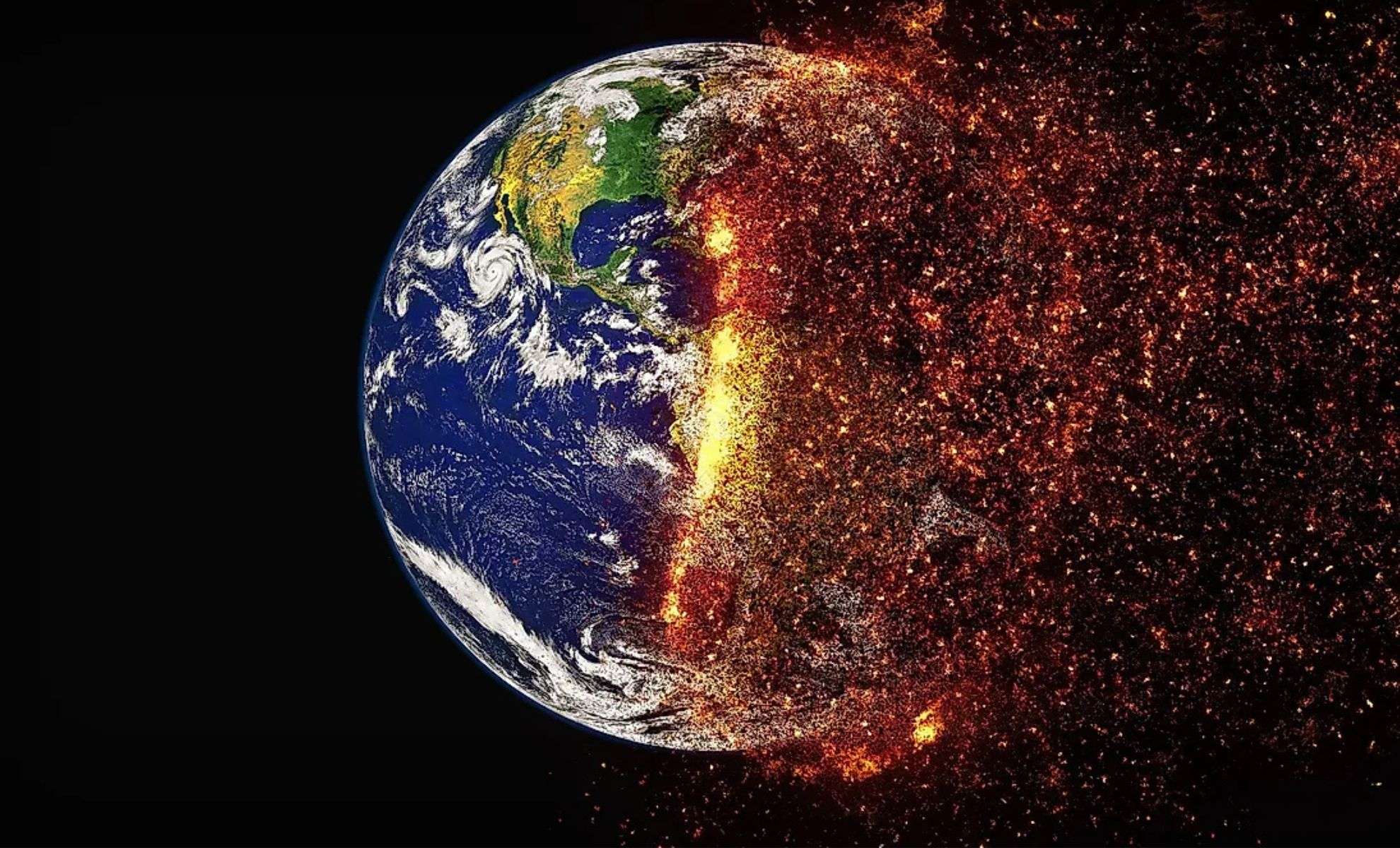
A recent investigation conducted by scientists at the University of Bristol warns that Earth’s future habitability could face unprecedented threats. The study, featured in Nature Geoscience, discusses how the convergence of continents into a supercontinent and escalating climate extremes might render Earth inhospitable for humans and most mammalian species, potentially triggering a mass extinction event.
The Threefold Threat from Pangea Ultima Formation
The research highlights a phenomenon described as a "triple threat", involving three major contributors to future extreme heat: the continentality effect, intensified solar radiation, and elevated atmospheric CO2.
As the planet’s landmasses fuse into a gigantic supercontinent, climate patterns will shift dramatically. The enlarged land area amplifies the continentality effect, resulting in harsher temperature swings due to diminished oceanic thermal influence. At the same time, the sun’s brightness is projected to increase, and volcanic activity is expected to elevate carbon dioxide concentrations substantially.

“The newly emerged supercontinent would effectively create a triple whammy, comprising the continentality effect, hotter sun and more CO2 in the atmosphere, of increasing heat for much of the planet. The result is a mostly hostile environment devoid of food and water sources for mammals,” said Alexander Farnsworth, lead study author and senior research associate at the University of Bristol, in a news release.
Combined, these forces would generate intense heatwaves that severely threaten species survival, with humans particularly vulnerable to such harsh conditions.
Deadly Heat and Humidity Threats
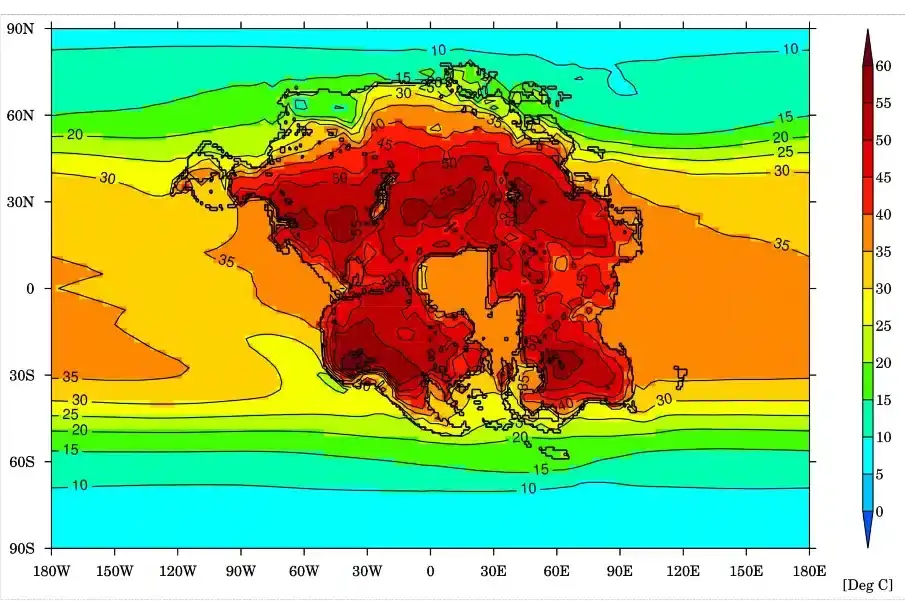
Model projections suggest that Earth’s temperatures could regularly soar between 40°C and 50°C (104°F to 122°F), with extreme peaks compounded by high humidity levels. These harsh environmental conditions, alongside scarce water and vegetation, could make mammalian life nearly impossible.
“Widespread temperatures of between 40°C to 50°C, and even greater daily extremes, compounded by high levels of humidity, would ultimately seal our fate. Humans––along with many other species–– would expire due to their inability to shed this heat through sweat, cooling their bodies,” Farnsworth added.
The human body’s ability to regulate temperature would be overwhelmed under these circumstances, particularly because humidity inhibits sweating, the primary natural cooling method.
CO2 Emissions and Volcanic Activity Amplify Future Warming
A pivotal part of the forecast involves a long-term rise in carbon dioxide levels over the next 250 million years. As tectonic plates collide to form the supercontinent, volcanic eruptions will release vast amounts of CO2, amplifying the greenhouse effect and accelerating global temperature increases worldwide.
“We think CO2 could rise from around 400 parts per million (ppm) today to more than 600 ppm many millions of years in the future. Of course, this assumes that humans will stop burning fossil fuels. Otherwise, we will see those numbers much, much sooner,” said Benjamin Mills, professor at the University of Leeds and co-author of the study.
This interplay of volcanic activity and greenhouse gas enrichment will trap heat in the atmosphere, pushing conditions beyond survivability for many organisms.
Implications for Earth’s Biosphere
Though the outlook appears dire in the distant future, the study reinforces the significance of comprehending Earth’s evolving climate. Scientists stress that life will remain sustainable for the foreseeable future if present-day climate change is addressed effectively.
Ultimately, the emergence of Pangea Ultima and associated extreme heat reflects the deep interconnectedness of Earth’s systems. The research indicates that long-term planetary processes—not just human influence—will shape the future viability of life on our planet.
- Categories:
- News













0 comments
Sign in to Comment