
Over the past few months, a subtle yet significant change has been stirring within Silicon Valley. Leading innovators like Elon Musk, Mark Zuckerberg, Sam Altman, and Bill Gates are envisioning a future where the hallmark of the digital age—the smartphone—is no longer the centerpiece of personal technology. Instead of refining phones, they are advocating for its complete replacement with more advanced alternatives.
These visionaries are investing in diverse technologies that could make smartphones a relic of the past. Concepts such as brain-machine interfaces, smart tattoos, and augmented reality (AR) eyewear highlight a vision where interaction moves beyond touchscreens toward more intuitive methods involving thought, sight, or even skin sensations. This stark shift presents a future that not everyone is prepared to accept.
Minds and Skin as Interfaces
Elon Musk, through his venture Neuralink, is pioneering brain-computer interface technology. These devices enable users to connect with machines purely through their thoughts, bypassing traditional inputs like tapping or speaking. Neuralink reports that two people have already undergone the procedure involving brain implants, marking a step toward hands-free device control.

Meanwhile, Bill Gates supports a different innovative approach by backing Chaotic Moon, a Texas-based company developing electronic tattoos. These skin-worn sensors are capable of gathering and transmitting data, serving purposes from health monitoring to messaging and location tracking. This technology essentially transforms the human body into an interactive digital interface, sidestepping the need for handheld gadgets.
Computing Through Vision
Mark Zuckerberg, CEO of Meta, is banking on augmented reality glasses to revolutionize personal computing. He forecasts that by 2030, these glasses will become the primary device for digital interaction, effectively supplanting smartphones. The glasses project digital elements directly into the user’s view, allowing seamless access to notifications, maps, and communication without looking away from their surroundings.
This vision aligns with Zuckerberg’s extensive investments in AR and the metaverse, aiming to “move beyond screens” and redefine how users interface with digital content and one another, heralding a new era of immersion.
Apple’s Steadfast Commitment to Smartphones
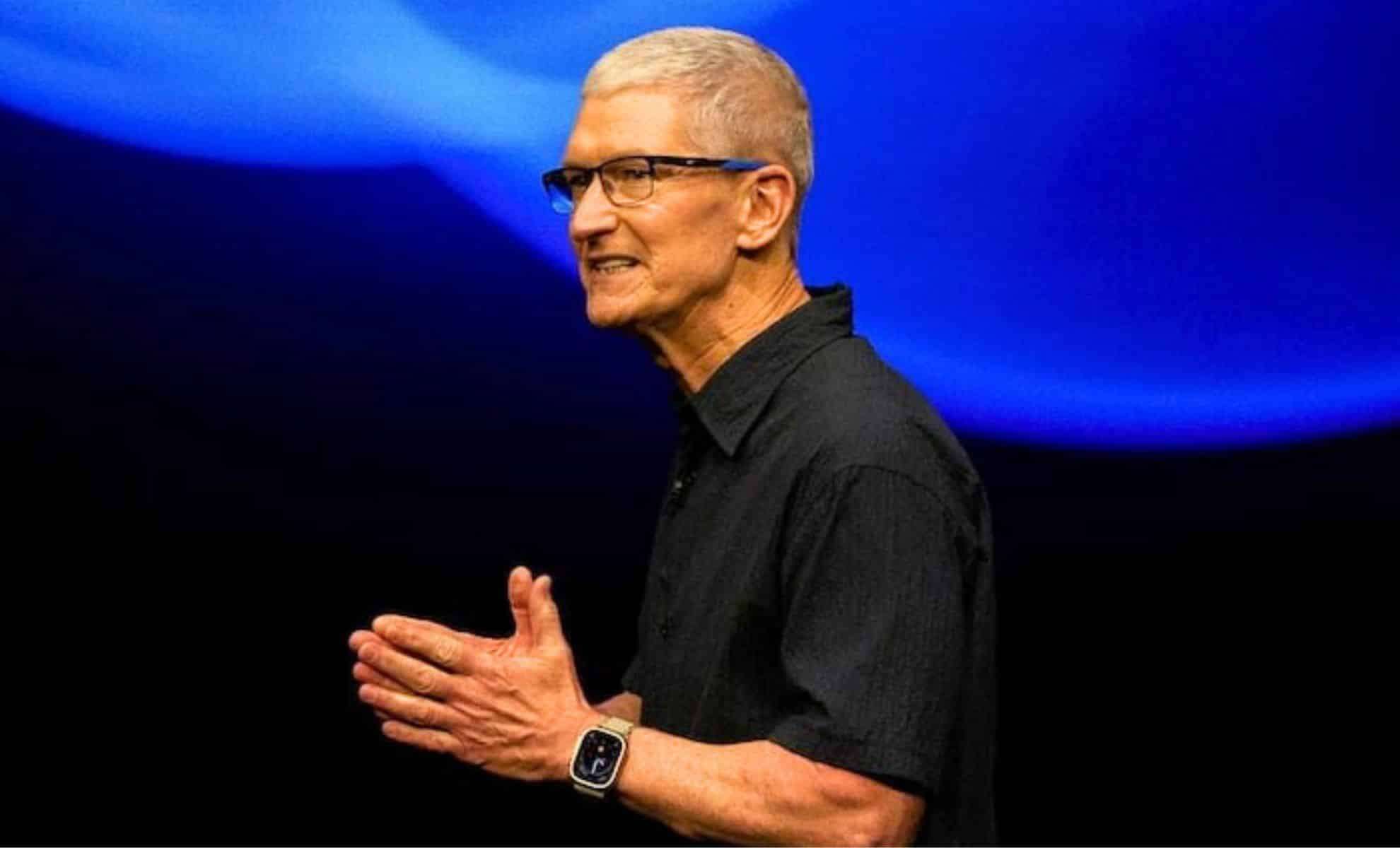
In contrast, Apple Chief Executive Tim Cook remains dedicated to the established smartphone format. The recent launch of the iPhone 16 features cutting-edge AI enhancements to improve user experience while preserving its familiar design. Cook emphasizes evolution rather than overhaul, viewing smartphones as indispensable in daily life.
Apple’s approach prioritizes gradual innovation, subtly integrating emerging technologies like AR and AI into its devices. Cook’s perspective diverges from that of other tech leaders by treating the smartphone not as obsolete but as a foundation for ongoing development. He has publicly stated his commitment to refining products users already rely on, favoring measured progress over disruptive change.
This divergence highlights a fundamental split in perspectives on technology interaction. While Musk, Zuckerberg, Altman, and Gates advocate for bold integrations that embed tech directly into our bodies or environments, Apple doubles down on enhancing the smartphone’s role through steady advancements without altering its core identity.
- Categories:
- News













0 comments
Sign in to Comment