
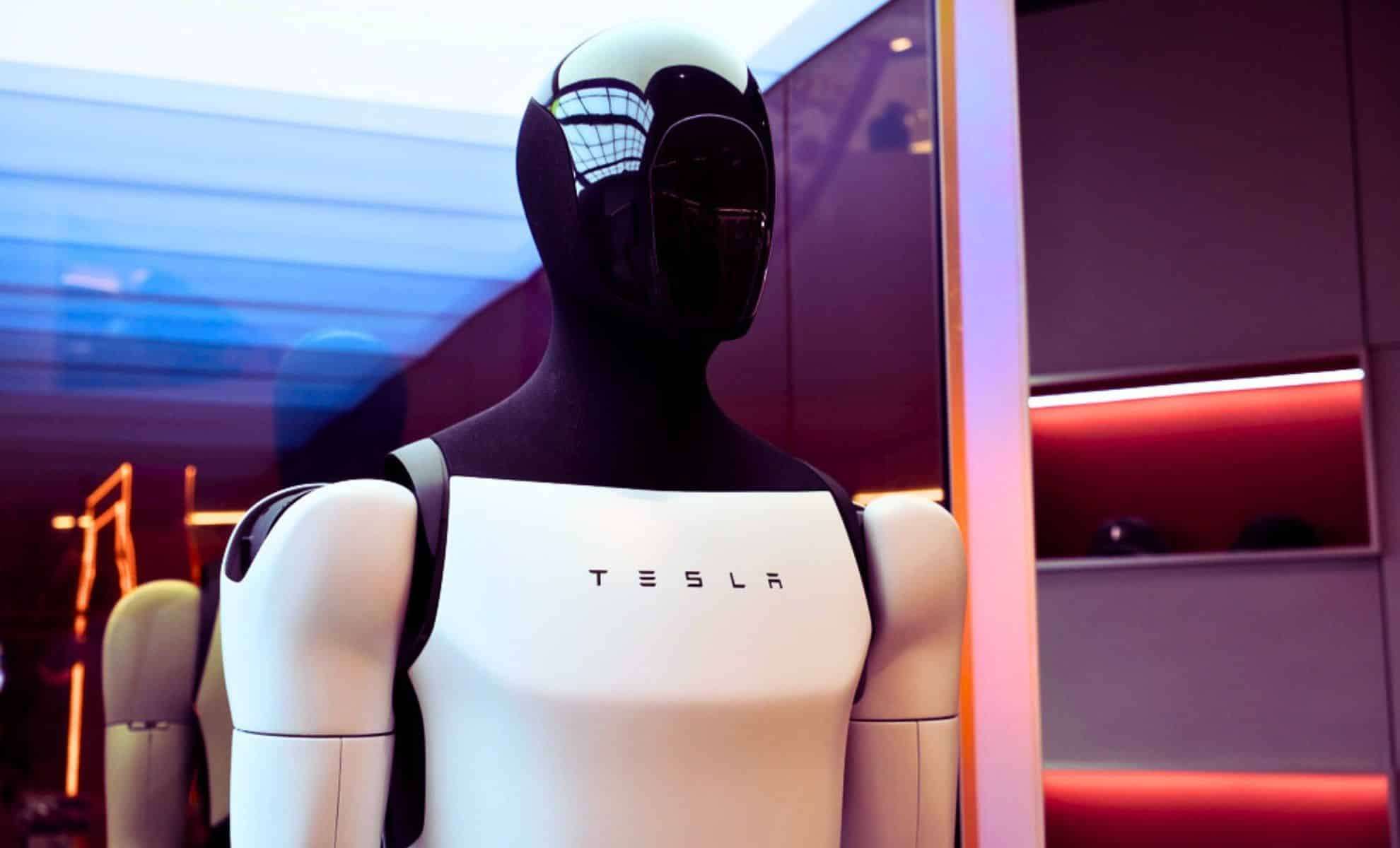
“Optimus will represent nearly 80% of Tesla’s overall value,” Musk declared on X earlier this week, not long after Tesla released its updated strategic vision. He also predicted, “It’s going to be the most significant product in the company’s history.”
This assertion aligns with comments Musk made during Tesla’s July earnings call, where he emphasized the massive commitment toward the company’s humanoid robotics initiative. Although some may view the figures as optimistic, they mirror Musk’s long-standing viewpoint that Tesla transcends automotive manufacturing and aims to transform society through advanced technology.
Tesla’s Master Plan Part IV, now accessible on its investor relations page, articulates this vision comprehensively. It outlines how Tesla’s innovations—from electric vehicles to artificial intelligence and robotics—are designed to foster what Musk calls a “thriving and unconstrained society.”

In essence, the plan portrays technology as a means to prosperity, with robots representing the logical frontier.
Optimus: Evolving from Concept to Core Focus
When first introduced at Tesla’s AI Day in 2021, Optimus was viewed largely as a novelty, especially after a costumed presenter performed on stage. At that stage, the project was mainly an ambitious vision backed by preliminary designs.
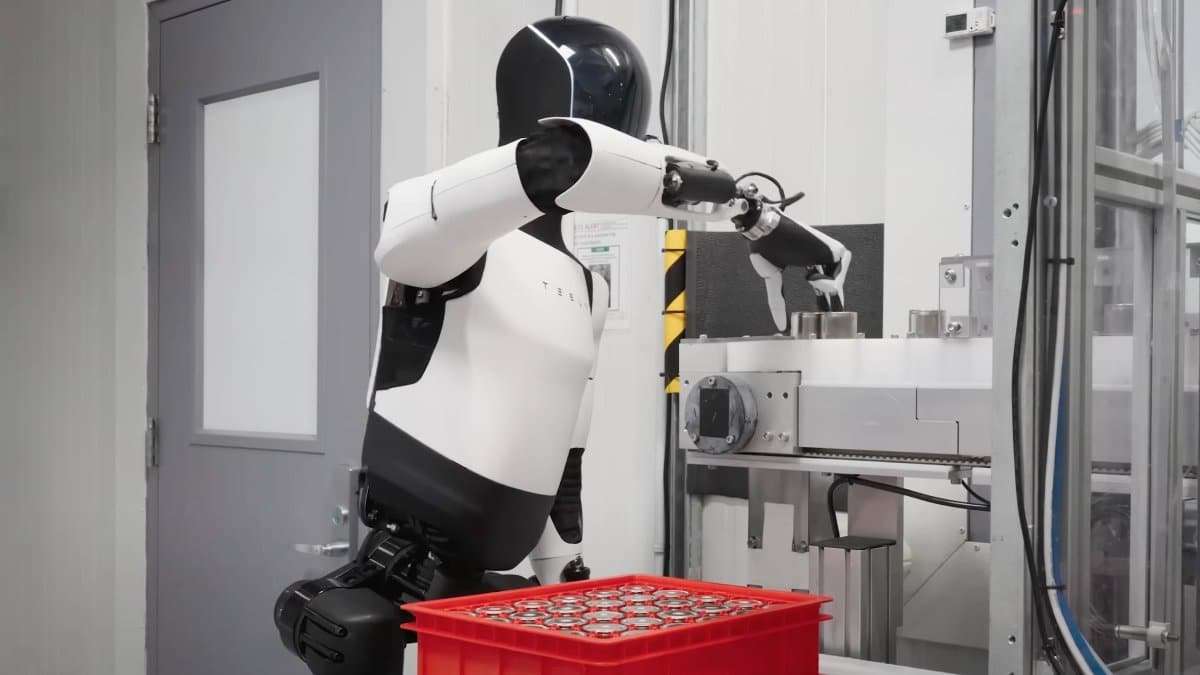
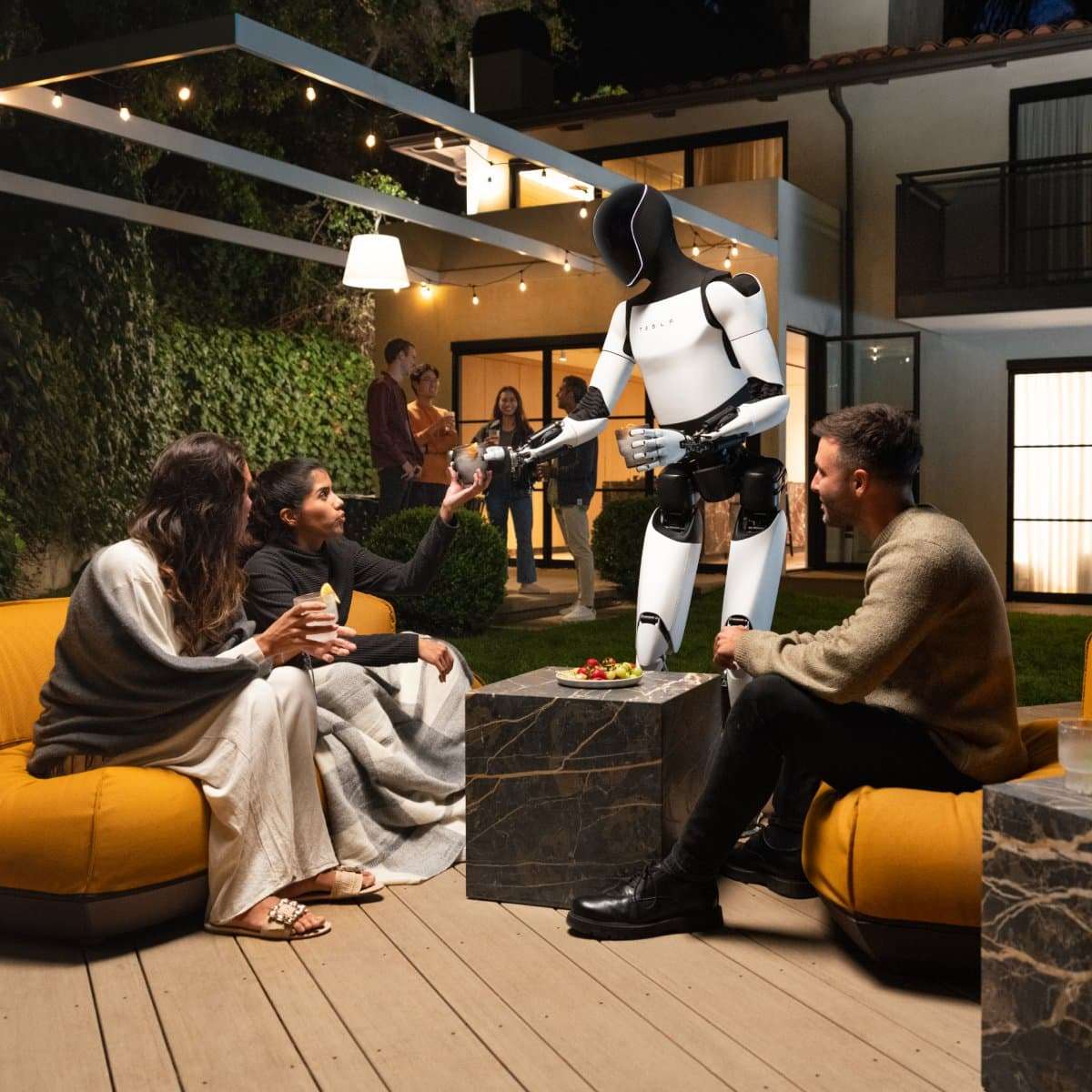
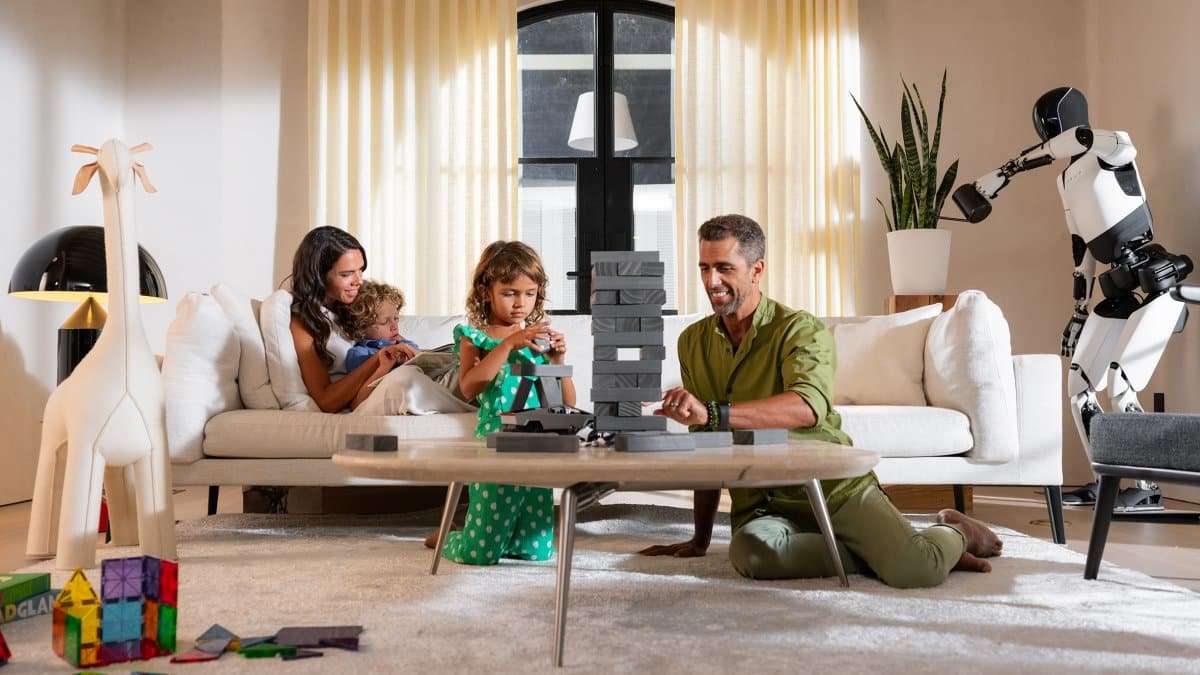
Now in 2025, Optimus has reportedly entered testing phases within Tesla’s operations, with several prototypes actively functioning. Musk envisions these robots handling routine physical duties such as manufacturing line tasks, warehouse handling, or even domestic assistance. The goal is to minimize human involvement in strenuous, repetitive labor and free workers to engage in more imaginative, high-value endeavors.
The broader impact? Should robots like Optimus become both economically accessible and functionally proficient, they could dramatically disrupt labor markets on a scale reminiscent of the industrial revolution.
Leveraging Autonomy for Tesla’s Future Growth
At the heart of Tesla’s strategy is a heavy stake on autonomy. Musk consistently argues that artificial intelligence, particularly in autonomous transport, will underpin the company’s core value. This includes its highly anticipated Full Self-Driving (FSD) software, still in beta after extensive development.
Crucially, Tesla is adapting this very autonomy platform to power humanoid robotics. According to the company, the neural network architectures and sensor fusion technologies driving its vehicles are repurposed to enable Optimus to navigate and operate in human environments, learn dynamically, and adjust to new challenges without extensive reprogramming.
This seamless integration of Tesla’s autonomous software into robotic systems is a key reason Musk believes the company can surpass competitors like Boston Dynamics, which leans more towards industrial and defense robotics, and Figure AI, a startup concentrating on versatile humanoid bots.
Investor Reaction Tepid at Present
Despite the bold announcements, Tesla’s shares reacted modestly, dipping approximately 2% during premarket trading on Tuesday. This may indicate cautious investor sentiment toward Musk’s ambitious projections.
Such skepticism has foundations. Although the robotics industry is expanding rapidly—with Statista anticipating it may exceed $90 billion in revenue globally by 2026—versatile humanoid robots largely remain experimental, often costly and limited in their practical applications at scale.
Timing also presents uncertainty. Musk has earned a reputation for optimistic timelines followed by delays, spanning projects like full vehicle autonomy and Cybertruck rollout. Whether Optimus will achieve widespread adoption within the next five years or beyond is still open to debate.
- Categories:
- News




0 comments
Sign in to Comment