
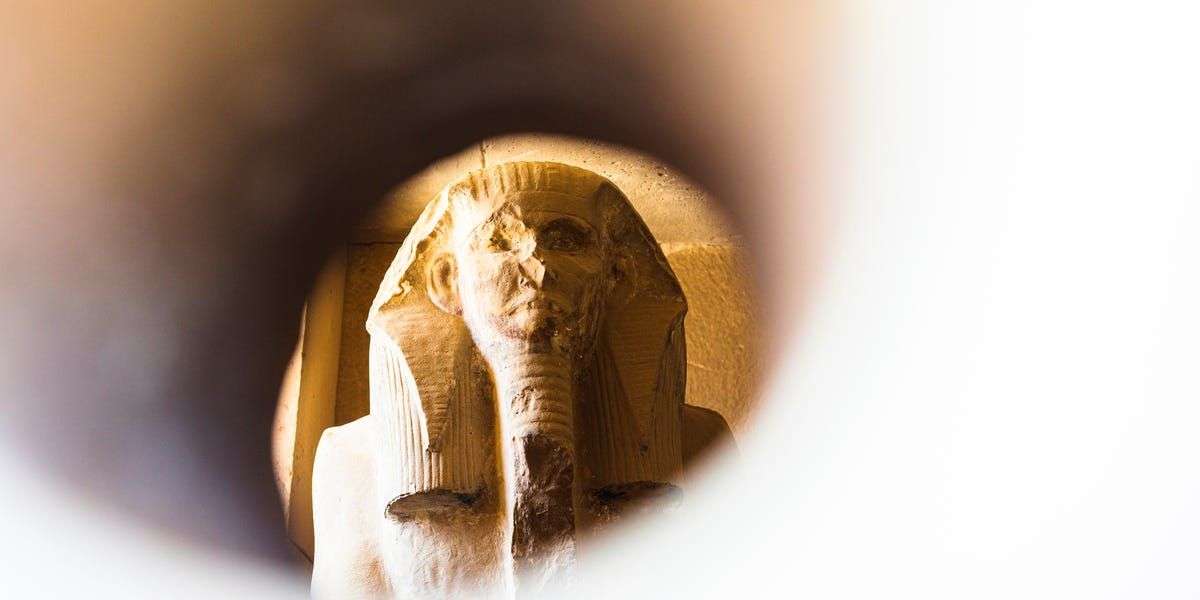
A recent underwater investigation close to Aswan, Egypt has surfaced remarkable relics from beneath the Nile River. These finds come decades after the area was submerged due to the Aswan High Dam's construction in the 1960s. This breakthrough promises to deepen our understanding of ancient Egypt, sparking renewed enthusiasm for underwater archaeology and reinforcing the nation's cultural legacy.
Unearthing the depths: Revelations below the Nile's surface
Modern archaeological techniques have transformed explorations near Aswan, previously flooded after the dam's establishment. Although UNESCO conducted artifact salvage missions before inundation, the efforts were constrained by time and resources. Today’s archaeologists utilize advanced methods such as scanning technology, enhanced photography, underwater videography and photogrammetry, alongside meticulous archaeological illustrations. These tools have enabled the recovery of ancient Egyptian royal engravings and inscriptions.
The collection includes intricate stone carvings depicting notable pharaohs including Amenhotep III (ruled until circa 1352 BC), his successor Thutmose IV (reigned until about 1390 BC), Psamtik II (leader from 595 to 589 BC), and Apries (monarch from 589 to 570 BC). Each figure played an essential role in Egypt’s long history, and their preserved images offer important insights into their eras.

Collaboration fuels discoveries through cutting-edge methods
The remarkable recovery was made possible through partnerships between multiple groups. Prominent contributors include Egypt’s Department of Sunken Archaeology under the Supreme Council of Antiquities and researchers from Paul Valery Montpellier University. Their expertise enabled comprehensive documentation of the inscriptions accompanying these carvings.
Mohamed Ismail Khaled, secretary general of the Supreme Council of Antiquities, noted the "excellent condition of the sculptures," highlighting their remarkable preservation underwater. This not only showcases ancient artisans’ skill but also signals the presence of potentially more untouched artifacts in the area.
Aswan’s enduring historical importance
Aswan has held a vital role throughout Egyptian history, serving as a crucial source for granite used in iconic temples and pyramids, as well as a strategic military outpost. The existence of Amenhotep III’s temple near this submerged zone further emphasizes its significance.
The flooding caused by the construction of the Aswan High Dam during the 1960s resulted in the displacement of communities and the loss of numerous historical treasures. Despite UNESCO’s initial rescue initiatives, many artifacts remained concealed until now. These recent discoveries have reinvigorated interest in submerged sites in the area and suggest promising avenues for future archaeological endeavors.
Looking forward: Next stages of research and exploration
The research team is planning further work, including creating detailed 3D digital models of the carvings to facilitate closer examination and study. Such efforts could unlock new understanding of ancient Egyptian culture and society. Egypt’s Ministry of Tourism and Antiquities indicates that additional inscriptions and artifacts may lie hidden beneath the water’s surface, awaiting discovery.
These extraordinary findings hold significance beyond archaeology, offering a tangible link to humanity’s distant past. By combining state-of-the-art technology with international cooperation, investigators at these submerged sites may continue unveiling captivating stories from one of civilization’s oldest cultures, enriching our appreciation of ancient Egypt.
- Categories:
- News









0 comments
Sign in to Comment