
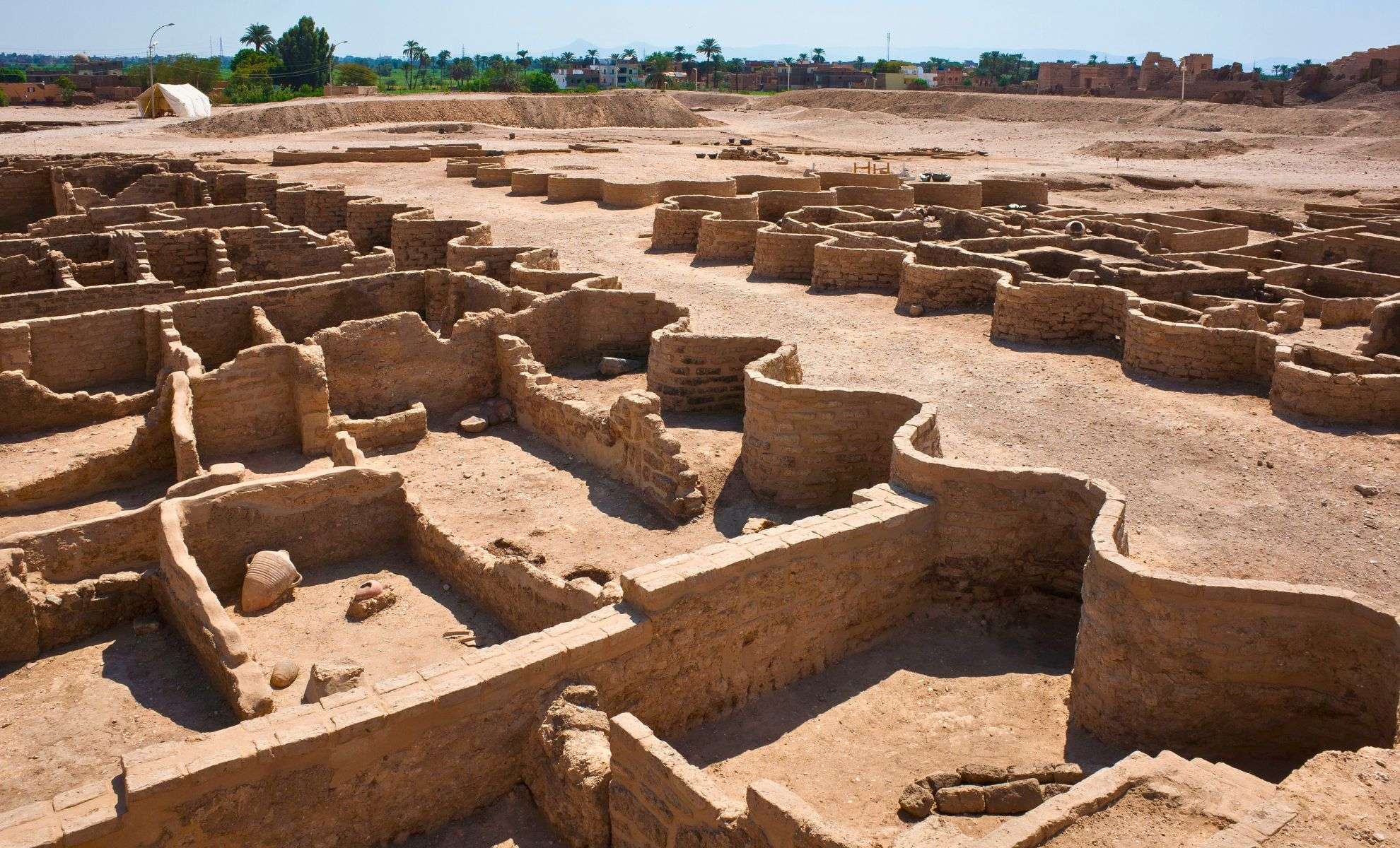
Recent research highlighted by the Daily Mail and later covered by Indy100 has unveiled clues to an advanced society hidden beneath the 5,000-year-old ruins at Tell Fara, an ancient Sumerian site. This discovery, which combines unusual geological layers with rare cultural artifacts, suggests a civilization that may have been eradicated by a colossal flood around 20,000 years ago, predating the well-known Mesopotamian urban centers.
Revealing Signs of an Ancient Civilization
Tell Fara has attracted archaeological interest since the 1930s, with excavations uncovering relics such as cuneiform tablets and colorful pottery dating back roughly 5,000 years. However, beneath these remnants lies a substantial deposit of yellow clay and sand, identified as an "inundation layer," indicating that the area was once subjected to a massive flood event long before recorded settlements existed.
This flood sediment may point to an earlier, buried civilization. Similar geological evidence has been noted at other ancient sites, including Ur and Kish in Mesopotamia, Harappa in the Indus Valley, and sites along the Nile in Egypt.

Could a Global Catastrophe Have Occurred 20,000 Years Ago?
Independent investigator Matt LaCroix, who has extensively examined this mystery, suggests that these clues all point to a cataclysmic flood event approximately 20,000 years ago. “No known event in the last 11,000 years matches the scale of this phenomenon,” LaCroix told the Daily Mail.
He theorizes that a major climatic upheaval produced widespread flooding capable of erasing entire civilizations. His approach draws not only on archaeological insights but also on a diverse range of geological evidence, including ice core samples, tree ring data, volcanic ash layers, and geomagnetic irregularities.
LaCroix further compared this scientific data with flood myths from multiple cultures and ancient celestial alignments, uncovering a remarkable convergence between mythological traditions and geological records.
Artifacts Beneath the Flood Layer Reveal Advanced Craftsmanship
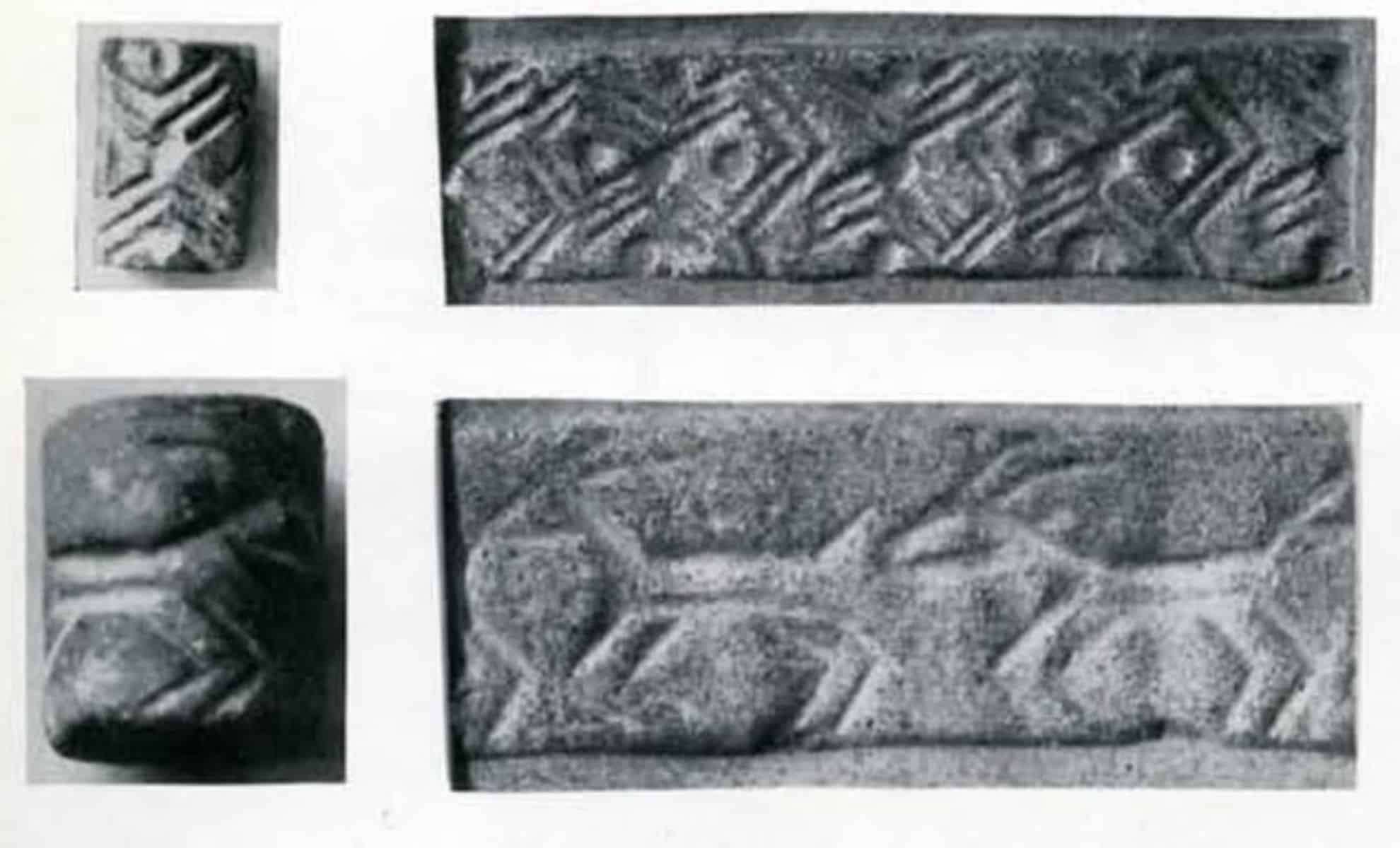
Excavations at Tell Fara uncovered items beneath the flood deposit, such as proto-cuneiform tablets, distinctive Fara II bowls, and elaborately decorated polychrome vessels—testaments to a level of artistry and societal complexity not commonly linked with Upper Paleolithic groups.
Principal archaeologist Erick Schmidt from the Penn Museum highlighted the stark contrast in cultural materials found above and below the flood deposits, describing the shift as an "absolute culture break," implying either complete annihilation or an abrupt cultural restart.
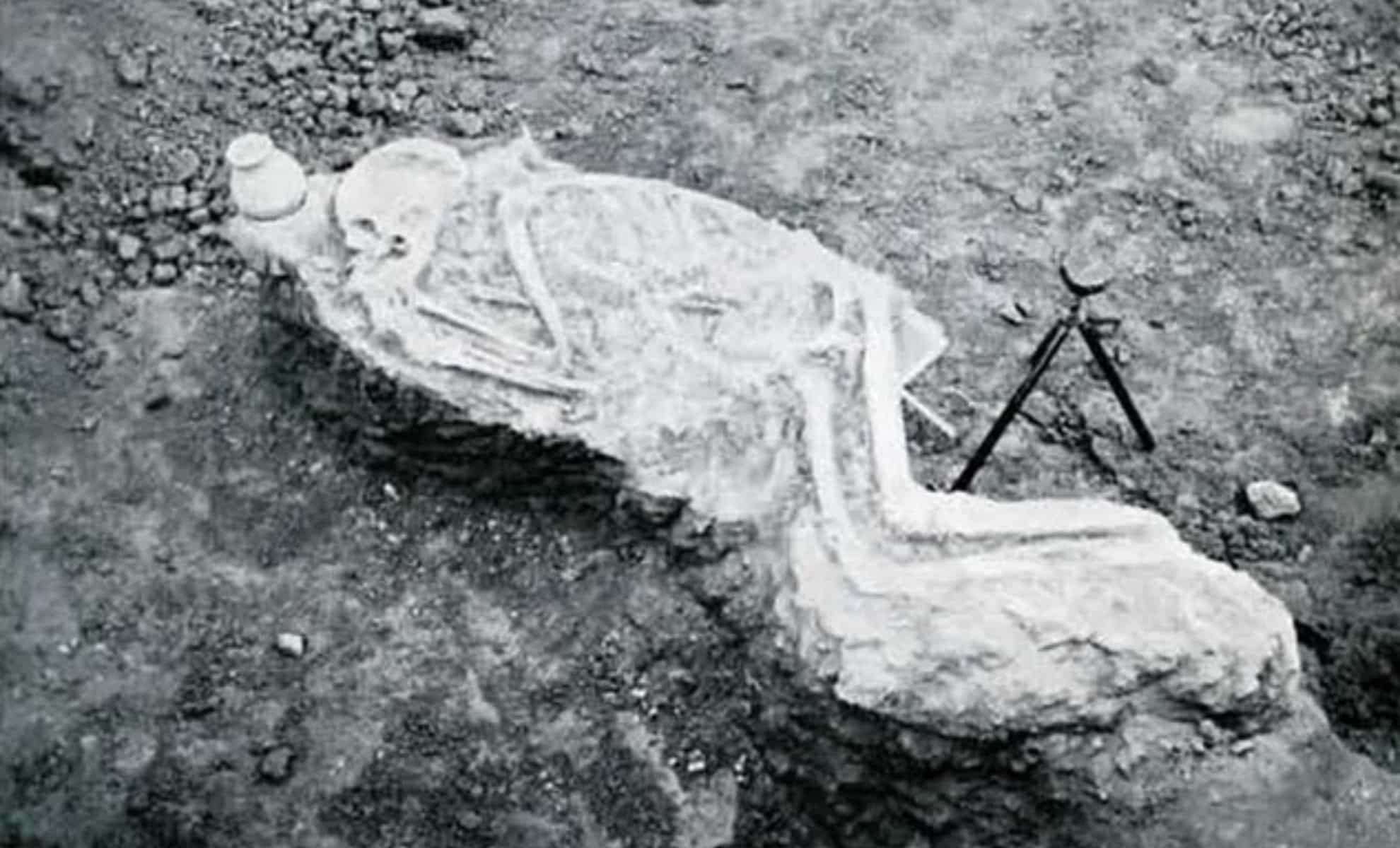
Only a limited number of human remains were discovered in the lower stratum, leading Schmidt to speculate that inhabitants may have evacuated the area before the floodwaters overwhelmed the settlement.
Connecting Ancient Flood Memories Across Cultures
LaCroix proposes that this lost civilization could have been part of a vast interconnected network, linked not only through trade but also by shared symbols, myths, and collective memories of disasters. The prevalence of similar flood narratives in ancient records from Sumer, Egypt, India, and even pre-Columbian Peru indicates a common heritage of remembrance related to an event that fundamentally altered early human history.
He stresses that these cross-cultural correspondences are far from coincidence; the presence of flood deposits at sites like Tell Fara, Ur, and Kish corresponds strikingly with flood myths, suggesting a "shared memory of actual catastrophic events."
- Categories:
- News









0 comments
Sign in to Comment