
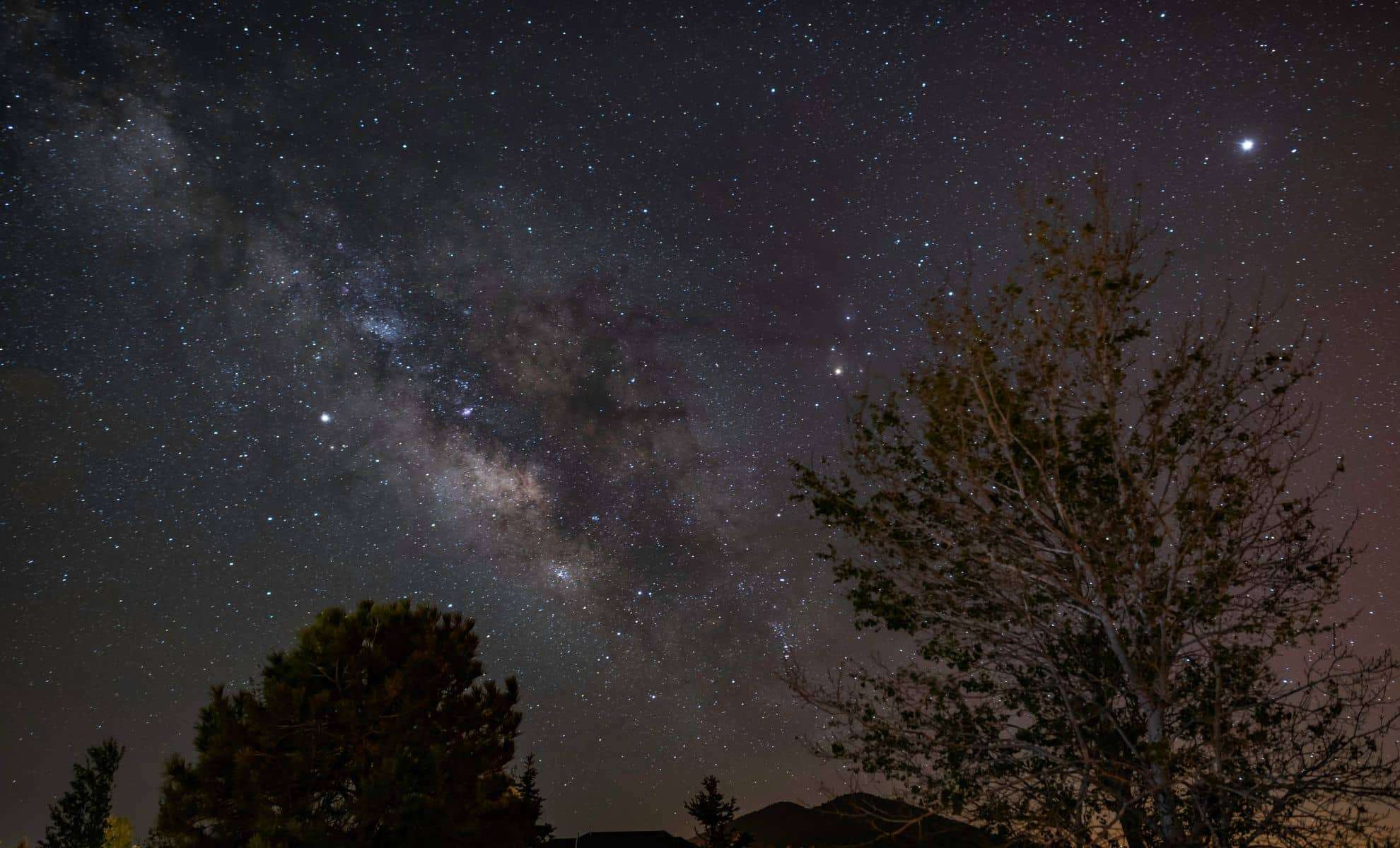
Vermont astrophotographer Dr. Michele Hernandez Bayliss has recently unveiled breathtaking images of distant galaxies taken entirely from her home observatory, as featured on Space.com. Her remarkable portraits reveal details of far-off spiral galaxies, captured through hours of meticulous imaging.
Employing advanced telescopes paired with specialized filters and dedicating over 36 hours of exposure, Hernandez Bayliss imaged two iconic galaxies — Messier 94, nicknamed the Croc’s Eye, and Messier 51, commonly called the Whirlpool Galaxy. Her blend of technical skill and artistic approach has earned her recognition within astronomy circles.
Patiently Revealing the Croc’s Eye Galaxy
In April, Hernandez Bayliss experienced ideal conditions over two consecutive nights, with clear skies free from moonlight—an uncommon opportunity in her hometown of Weybridge, Vermont, where weather often complicates observational work.

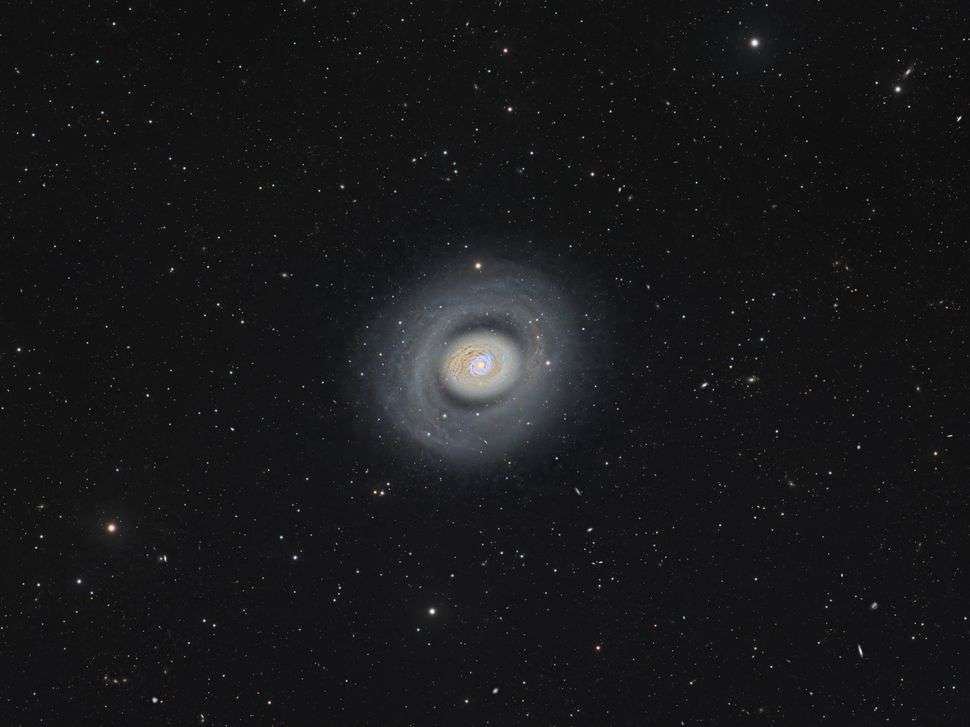
She directed her Takahashi TOA-130NFB Refractor and Stellarvue SVX140T-R telescopes toward M94, a compact spiral galaxy approximately 34 million light-years away. Collecting over 20 hours of LRGB-filtered data, she was able to create a sharply detailed, vibrant image, though the process presented challenges.
“The processing is the tricky part for galaxies,” she told Space.com via email. “For the Croc Eye, it was smaller in my 990mm scope than I anticipated.” Additionally, the galaxy’s bright core required her to apply HDR compression and generate synthetic luminance to balance the image's brightness and reveal the subtle spiral arms without losing detail in the core.
The Dynamic Dance of the Whirlpool Galaxy
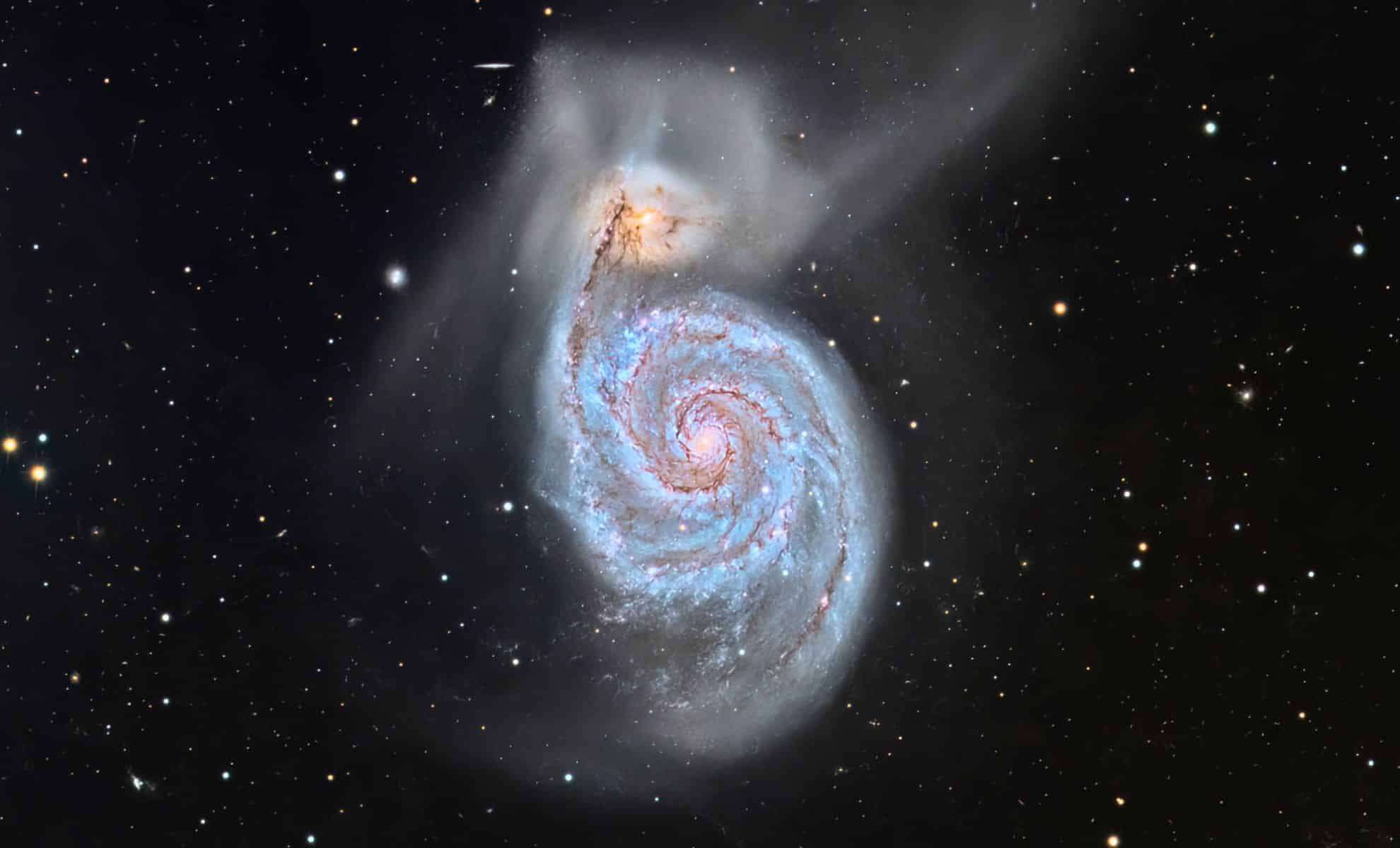
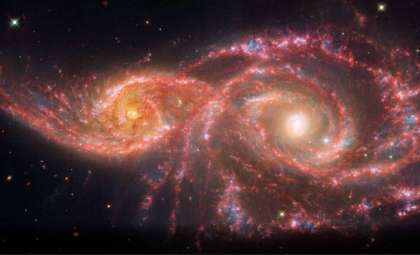
Earlier in the year, she concentrated on imaging the famed Whirlpool Galaxy, Messier 51, and its companion galaxy, NGC 5195. Renowned for its grand spiral arms and luminous central core, M51 is a beloved target among astronomers, but demands careful alignment and extended exposure.
Using RGB filters complemented by hydrogen-alpha filters, Hernandez Bayliss captured glowing star-forming regions within the galaxy. Her 16 hours of imaging culminated in a detailed image highlighting dust lanes, stellar nurseries, and the gravitational interplay between the two galaxies.
NASA indicates that the close interaction with NGC 5195 likely enhances the Whirlpool’s prominent spiral arms. Hernandez Bayliss’s photo clearly showcases this celestial tug-of-war, with the smaller galaxy visibly influencing the spiral structure.
A Journey Marked by Commitment and Perseverance
These accomplishments are a result of many years of dedication. Hernandez Bayliss has been passionate about visual astronomy for quite some time, and for the past two years, she has meticulously constructed a backyard observatory to pursue astrophotography at this level. Such achievements require significant investment not only in equipment but also in mastering the extensive post-processing involved to transform raw exposures into stunning images.
Living in Vermont, where clear nights are rare due to the often unpredictable weather, she considers her April imaging sessions a fortunate coincidence. “Clear skies in Vermont are uncommon,” she remarked, calling those two nights a “miracle” for their perfect timing.
Producing Professional-Grade Astrophotography from Home
Despite being relatively new to astrophotography, Dr. Hernandez Bayliss’s work rivals images taken by professional observatories. Her photographs exhibit exceptional detail, balanced contrast, and vivid coloration—traits often associated with advanced, large-scale instruments.
What truly sets her achievement apart is that these extraordinary images were captured not in a distant research facility, but from a personally built setup in her own backyard. Her efforts have garnered attention and admiration from scientists, amateur astronomers, and the public alike.
- Categories:
- News








0 comments
Sign in to Comment