
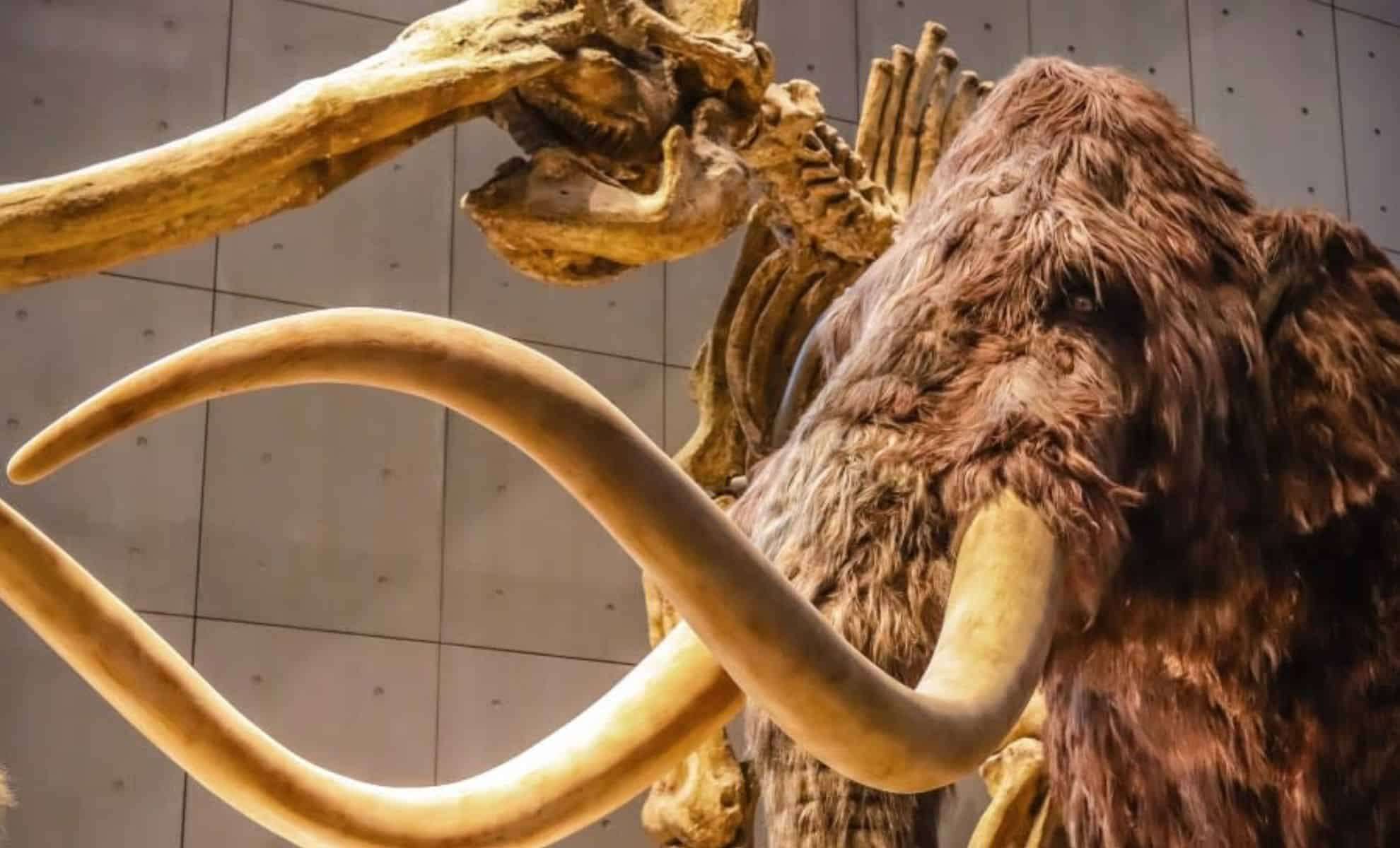
In a suburban area near Scotchtown, New York, a homeowner uncovered a remarkable Ice Age artifact: a well-preserved mastodon jaw fossil buried in their backyard. Located just 70 miles from New York City, the initial discovery of fossilized teeth peeking through the dirt has since become a significant scientific event, marking New York’s first find of this type in over ten years.
Unearthing Ancient Evidence Beneath the Surface
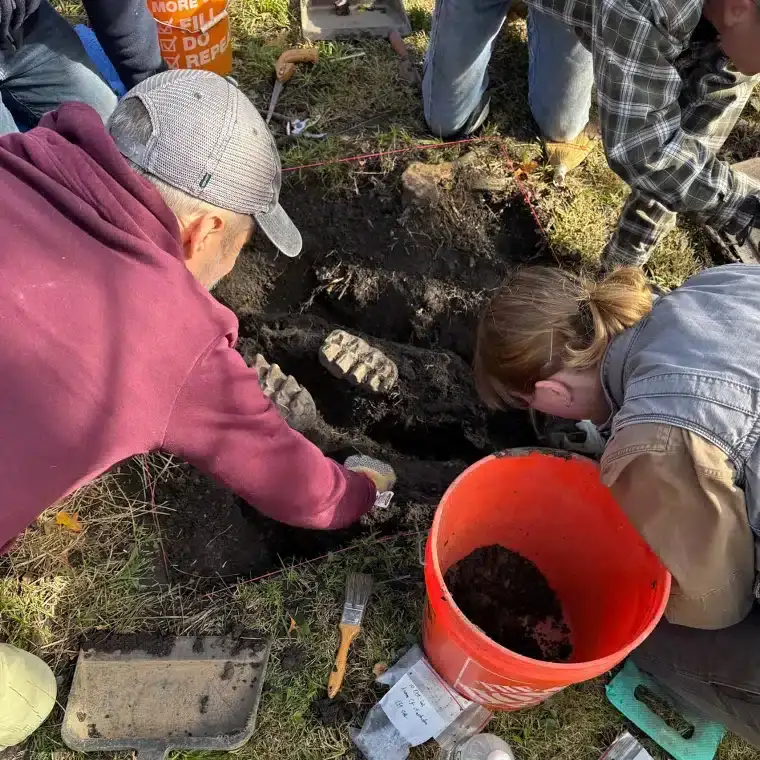
What started as a routine gardening task turned extraordinary when the homeowner spotted a fossilized fragment in the soil. Upon closer examination, they recognized the find’s paleontological importance.
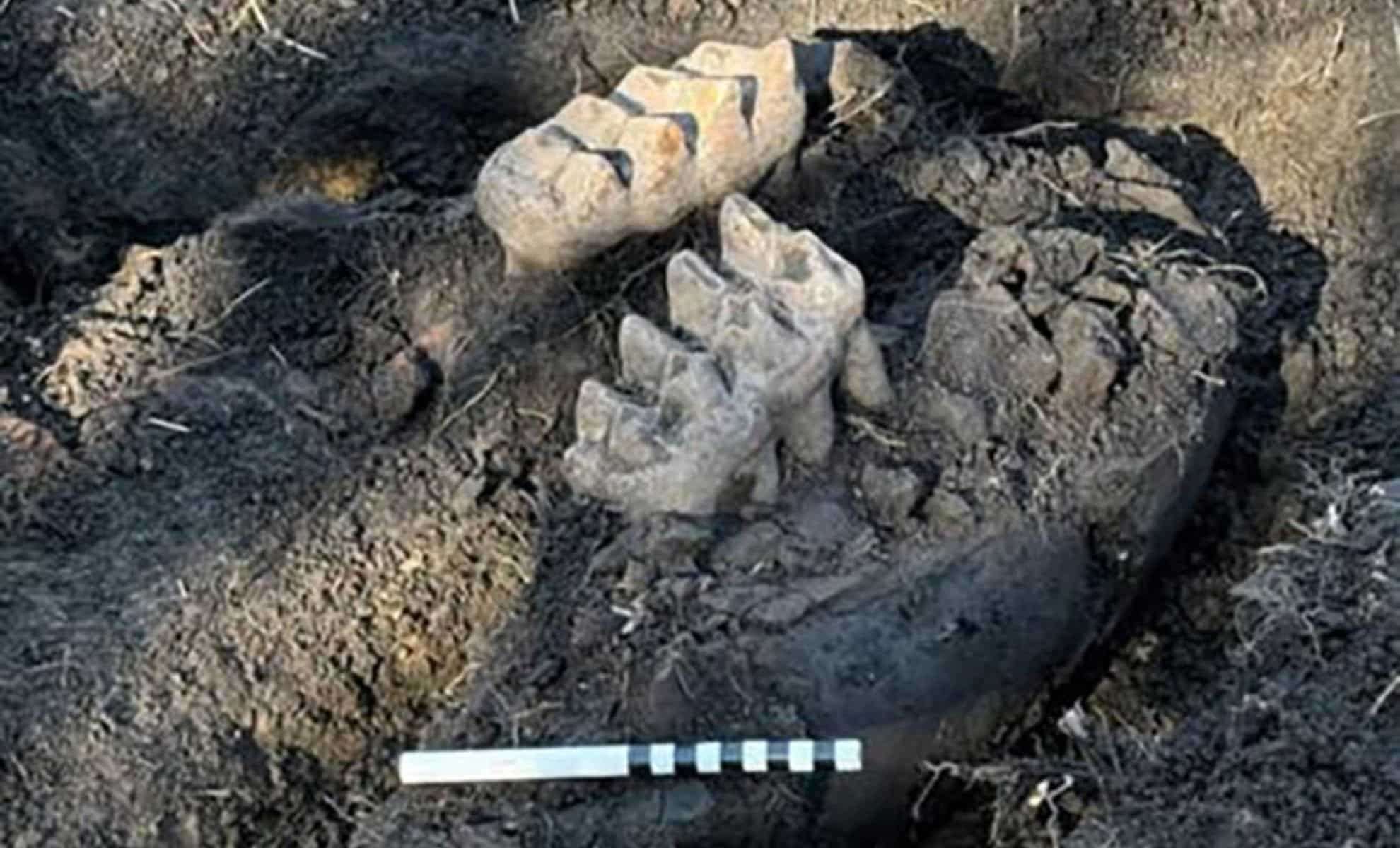
“Once I held the teeth and saw their unique features, I knew this was something rare and immediately alerted the experts,” the homeowner recalled. This quick action led to a collaborative effort involving the New York State Museum and SUNY Orange, who recovered the jaw, identified as belonging to an adult male mastodon, along with parts of rib and toe bones.

This discovery is regarded as a key milestone in the study of prehistoric life. Mastodons once roamed vast stretches of North America, but their remains are seldom found in such intact condition. It also marks the first major mastodon fossil uncovered in New York in over 11 years.
Insight into Ice Age Habitats
Closely related to modern elephants, mastodons thrived during the Ice Age, inhabiting dense forests until their extinction approximately 10,000 years ago. Researchers are now conducting carbon dating and further analyses to pinpoint the fossil’s age and learn about the mastodon’s eating habits and environment.
Robert Feranec, curator specializing in Ice Age fauna at the New York State Museum, emphasized the fossil’s significance:
“This mastodon jaw provides a unique opportunity to study the ecology of this magnificent species, which will enhance our understanding of the Ice Age ecosystems from this region.”
Feranec highlighted how fossils like this open windows into ancient ecosystems, enabling scientists to better reconstruct prehistoric environments. Detailed examination will help reveal how mastodons adapted and lived within their habitats.
Exceptional Preservation of the Fossil
One standout feature of this find is its outstanding preservation. After being buried for millennia, the mastodon jaw remained largely intact. The teeth, which initially drew attention, were in excellent condition, providing vital clues for identifying the specimen.
Thanks to expert care from SUNY Orange, the fossil was carefully excavated and transported, protecting its scientific value. This meticulous process ensures that researchers can conduct extensive studies on the jaw and accompanying bones.
Revealing the Life of an Ancient Giant
Using state-of-the-art techniques such as carbon dating and isotopic studies, scientists aim to uncover intricate details about the mastodon’s life, including its lifespan, diet, and possible migration habits. These insights will deepen understanding of how mastodons responded to environmental shifts during the Pleistocene epoch.
The extinction of mastodons and other megafauna continues to intrigue scientists. Many propose that a combination of climate fluctuations and human activity led to their demise. Fossils like this jaw contribute key evidence to these ongoing investigations.
Connecting Ancient and Modern Worlds
This remarkable mastodon fossil not only illuminates Ice Age life but also highlights the links between prehistoric and contemporary ecosystems. Studying these remains helps researchers draw connections between past biodiversity and today’s environmental challenges, informing conservation efforts.
The homeowner, whose backyard yielded this extraordinary piece of history, expressed excitement over their role in advancing scientific knowledge. “It’s amazing to think that something so ancient was right beneath my feet,” they said. Their enthusiasm reflects the collaborative spirit that often drives paleontological discoveries.
As analysis progresses, the fossil’s significance is only growing. The jaw and associated bones promise to enhance understanding of prehistoric New York, when mastodons shared the landscape with creatures like saber-toothed cats and giant ground sloths.
Enriching Our Understanding of Ice Age Life
This find offers a precious glimpse into North America’s Ice Age past. By examining the mastodon jaw and its fragments, researchers hope to gain new perspectives on the species’ behavior, diet, and habitat use. These discoveries not only illuminate prehistoric life but also provide valuable analogs for studying current ecological dynamics.
Ultimately, this discovery underscores the vast mysteries hidden beneath the surface and the exciting potential for future paleontological revelations.
- Categories:
- News












0 comments
Sign in to Comment