

As efforts accelerate to establish lasting human settlements on the Moon, a critical challenge remains: how will astronauts breathe in an environment without an atmosphere?
Scientists are investigating methods to extract oxygen directly from lunar soil, known as regolith. This advancement could enable sustained human presence on the Moon and support future space exploration missions.
Harnessing Local Lunar Materials: A Breakthrough for Moon Living
An innovative approach to this challenge is called In-Situ Resource Utilization (ISRU). It involves using the Moon’s own resources to produce vital supplies such as oxygen, water, and fuel. As Sylvain Rodat, an expert in solar thermal technology, notes, this strategy is gathering attention as countries plan lunar colonies. The ESA explains:

“Lunar regolith, the thin layer of dusty rock that blankets the Moon, is not so different from the minerals found on Earth. By weight, it contains about 45% oxygen which is bound to metals such as iron and titanium, making it unavailable.”
Nonetheless, this oxygen is chemically trapped in compounds called oxides, combined with elements like silicon, iron, and calcium. To free the oxygen, these strong chemical bonds must be broken. The process to achieve this involves pyrolysis, a technique that uses intense heat to decompose materials, allowing the oxygen to separate from the rest of the lunar minerals.
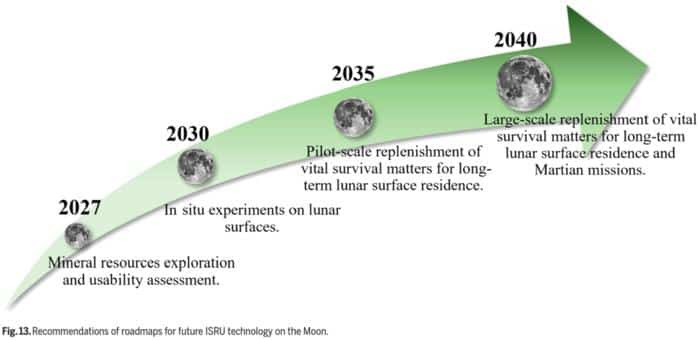
Solar Power: Unlocking Oxygen from Lunar Soil
The persistent sunlight at specific lunar locations, particularly near the poles, makes solar energy an ideal power source for oxygen extraction via solar pyrolysis. This method uses focused sunlight to heat regolith to extreme temperatures.
A recent paper inActa Astronautica details how large solar concentrators mimic lunar conditions. These devices can channel sunlight to generate temperatures exceeding 3,000°C, sufficient to dismantle the oxides within the soil.
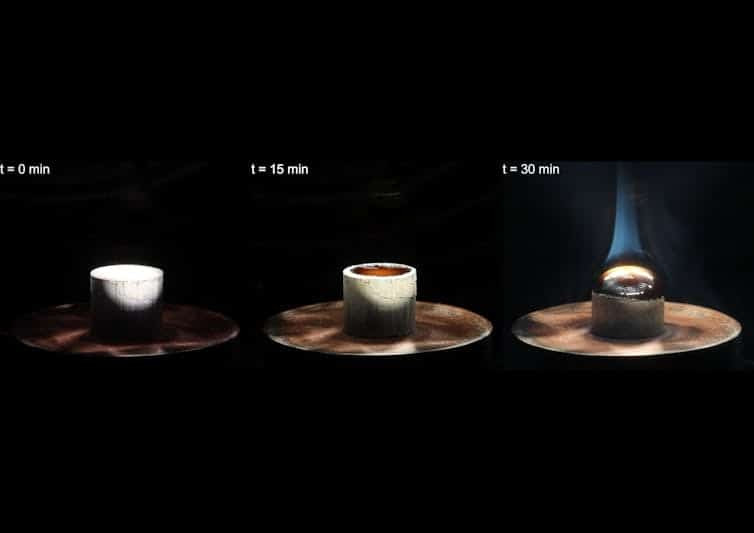
On the Moon, with no atmosphere to scatter sunlight, certain polar regions experience sun exposure close to 90% of the time. If solar pyrolysis proves efficient, it could significantly cut energy demands for oxygen production, making operations more viable over the long term.
Tackling the Engineering Challenges
Despite its promise, oxygen extraction from lunar regolith faces significant hurdles. Initial tests indicate only about 1% of the processed mass yields oxygen. To improve efficiency, Rodat suggests refining the technique by lowering reactor pressure to mimic lunar vacuum conditions, potentially reducing the heat required and boosting oxygen output.
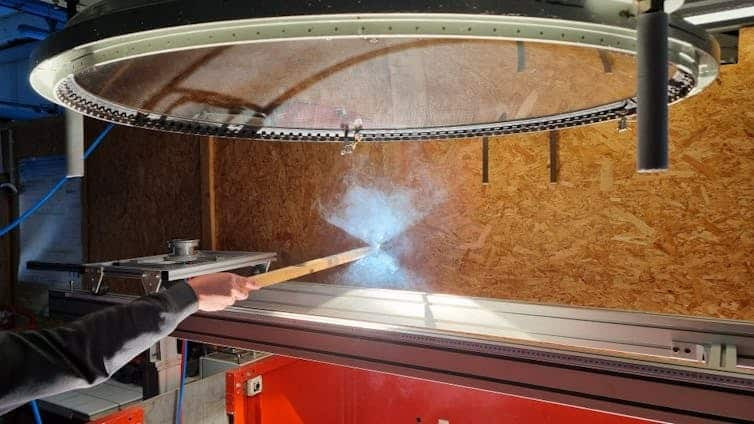
Additional obstacles include the extreme lunar environment, with drastic temperature swings, abrasive dust particles, and relentless radiation exposure. Scientists are developing more robust pyrolysis reactors and solar furnaces capable of operating under these harsh conditions.
“In the future, if we want to travel extensively in space and set up bases on the Moon and Mars, then we will need to make or find the things required to support life – food, water and breathable air,” Sue Horne, head of space exploration at the UK Space Agency, commented.
- Categories:
- Space










0 comments
Sign in to Comment