
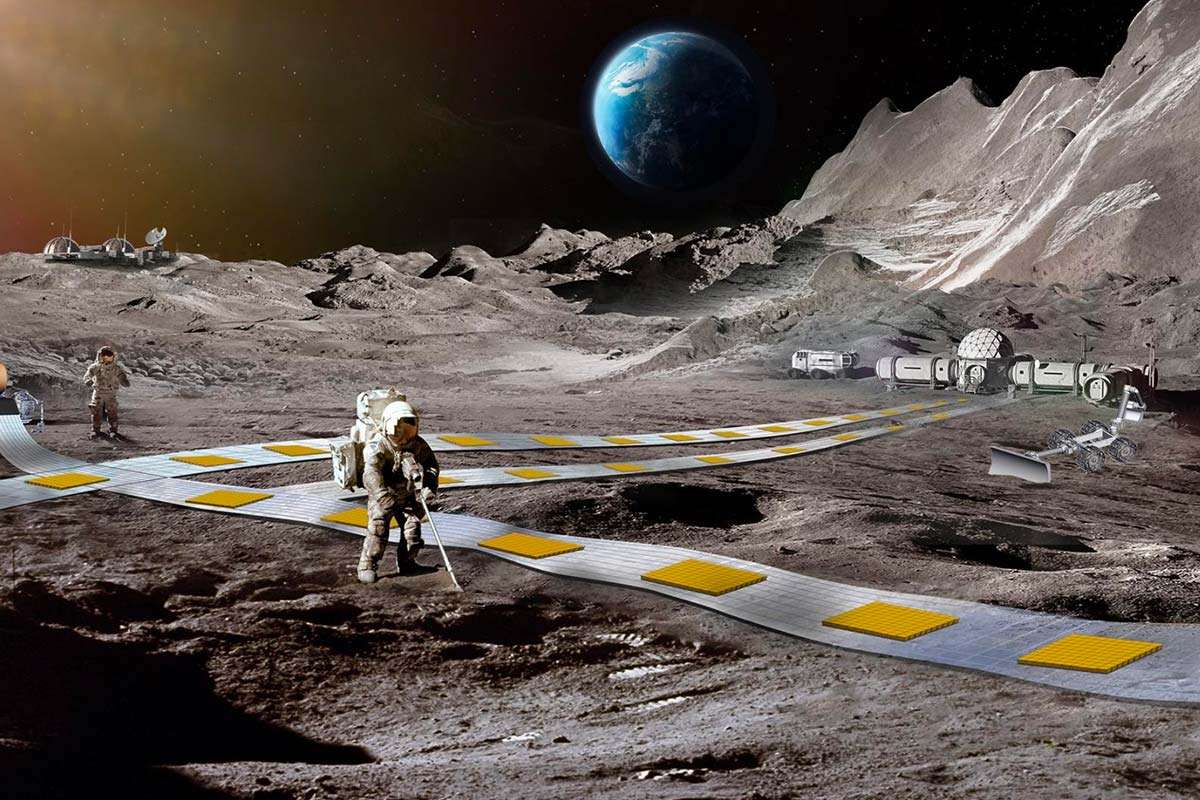
Blending visionary technology with futuristic concepts, NASA’s Innovative Advanced Concepts (NIAC) program is developing an extraordinary transportation system for the Moon. Known as Flexible Levitation on a Track (FLOAT), this initiative envisions a magnetically levitated robotic train that could play a vital role in supporting the logistics of NASA’s upcoming lunar base, with ambitions to deploy it by the 2030s.
Understanding the FLOAT Technology
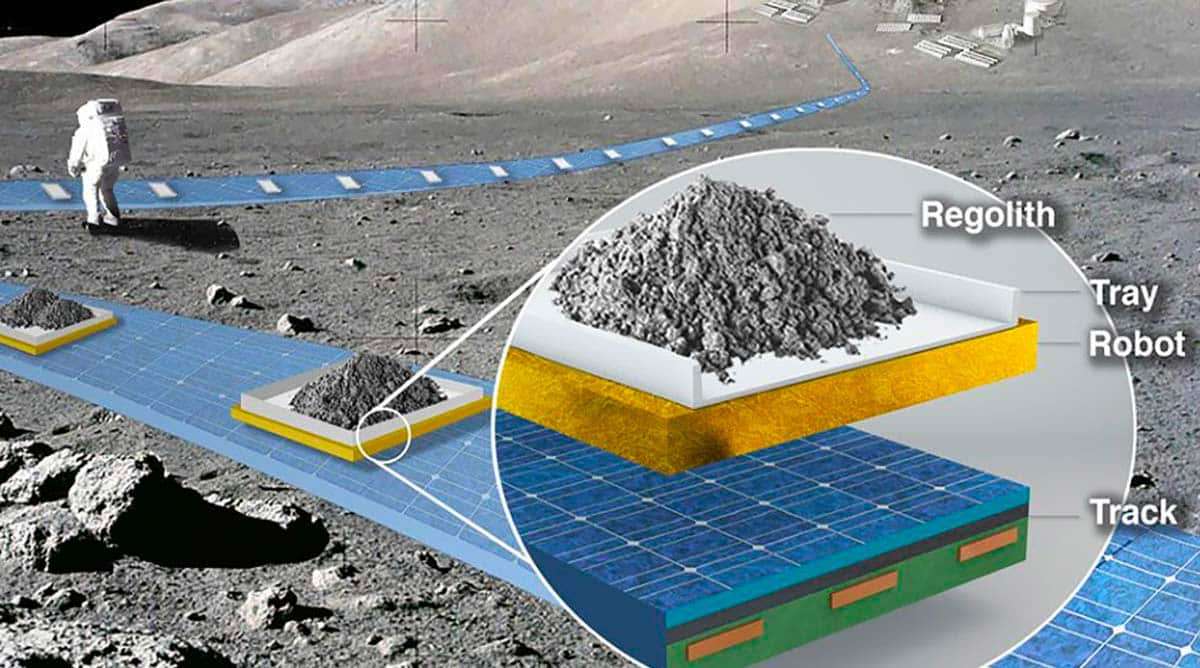
FLOAT employs magnetic levitation, enabling robotic vehicles to hover above a unique track composed of three flexible film layers. This design minimizes friction and damage caused by the pervasive lunar dust. A vital part of the system is a graphite layer that facilitates power-free levitation through diamagnetic effects. Another integral layer contains flex circuits that produce electromagnetic thrust, allowing precision control and smooth travel along the track. Furthermore, a thin-film solar panel may be integrated to capture solar power and enhance efficiency.
Advantages and Mission Objectives
FLOAT is intended to bolster NASA’s lunar exploration goals by transporting heavy loads, exceeding 30 kilograms per square meter, at speeds surpassing 0.5 meters per second. Such capabilities would enable efficient daily movement of supplies and equipment essential for constructing and operating a lunar outpost. The system aims to autonomously haul thousands of kilograms of lunar materials across several kilometers each day, marking a breakthrough for sustained human activity on the Moon.

Next Steps: Prototyping and Testing
Presently in NIAC’s Phase II Selection, the FLOAT project is focused on creating and evaluating scaled-down prototypes of the levitating robots and flexible tracks here on Earth. These experiments simulate lunar conditions, including temperature extremes, radiation, and dust exposure, to optimize the design and ensure dependable performance when deployed on the Moon.
From Visionary Concept to Lunar Reality
As NASA gears up to return astronauts to the Moon around 2026 with aspirations for long-term colonization, FLOAT is positioned as a crucial technology for overcoming the surface’s transportation challenges. Beyond supporting lunar infrastructure, it also advances NASA’s broader goals for human exploration extending to Mars and beyond.
This cutting-edge project embodies NASA’s drive to transform science fiction ideas into practical innovations, safeguarding the future of humanity’s presence beyond Earth.











0 comments
Sign in to Comment