
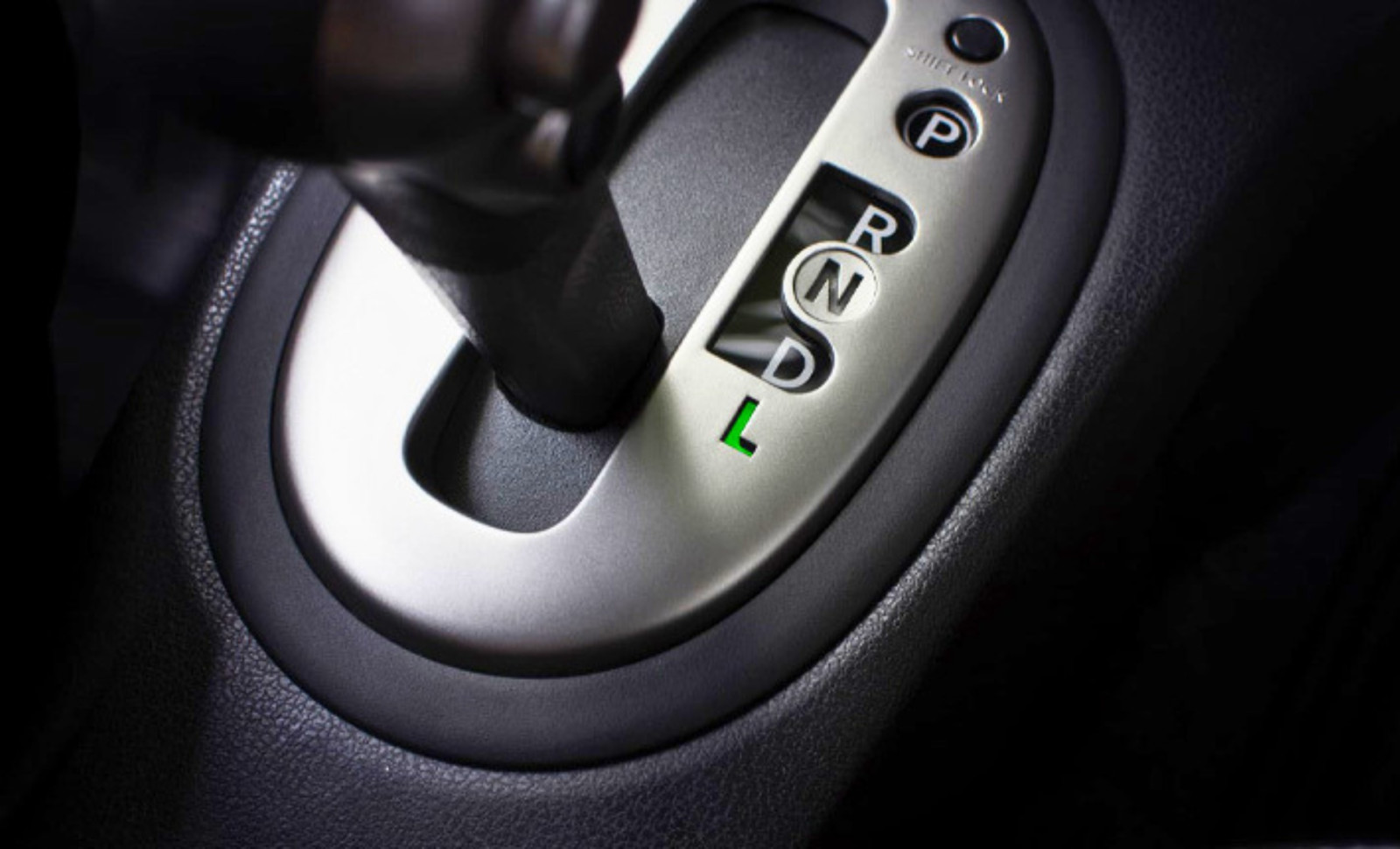
Many drivers simply set their gear selector to “D” and leave it there. While P, R, and N are mostly self-explanatory, the single letter “L” tucked beneath Drive often goes unnoticed for the vehicle’s entire lifespan. However, this modest letter can make all the difference between a safe controlled descent and overheating your brakes to failure.
“L” represents Low gear mode, which keeps the transmission locked in lower gear ratios. Unlike Drive, which shifts gears for smoothness and fuel efficiency, Low gear mode favors torque and engine braking. On level roads, it offers little benefit, but on steep slopes, slippery surfaces, or when carrying heavy loads, it becomes an essential control mechanism for the driver.
This mode prevents the transmission from automatically shifting upward, maintaining higher engine revolutions to sustain torque output. For older four-speed automatics, “L” held the vehicle in first gear, whereas newer transmissions with five or more gears usually restrict shifts within the first two or three gears. This results in higher engine speeds, increased pulling strength, and greater driving precision than the standard Drive mode.

Managing Long Descents Safely
Extended downhill stretches put immense stress on conventional brakes. Each time you apply them, kinetic energy converts into heat. If the slope is long enough, this heat can overwhelm brake pads and rotors, causing brake fade and diminishing stopping power. In extreme cases, the brake fluid can boil, resulting in a spongy pedal or total brake failure.
Activating Low gear mode shifts the braking responsibility to the engine. By locking in a low gear, the engine’s resistance slows the wheels, letting the vehicle descend without constant brake use.
As detailed in the J.D. Power gear mode guide, engine braking safeguards your brakes from overheating on long declines, keeps brake components cooler, and helps maintain a firm brake pedal feel.
Conquering Steep Uphills Steadily
Climbing steep grades poses another challenge. When left in Drive, the transmission constantly hunts for higher gears to maximize fuel efficiency. This causes frequent upshifts and downshifts, leading to uneven power delivery and increased wear.
Engaging Low gear mode prevents the gearbox from shifting up, keeping the engine in its optimal power range and delivering consistent torque. This mirrors the feeling of downshifting on a bicycle during a tough hill climb: your legs work faster, but pedaling becomes smoother and forward progress steadies.
Handling Heavy Loads with Ease
Towing adds significant strain to the drivetrain. Whether pulling a trailer, boat, or camper, the increased weight pressures the transmission. Drive mode’s fuel-saving shift patterns often cause premature upshifts, lugging the engine, followed by downshifts, creating a cycle that wears down transmission components quickly.
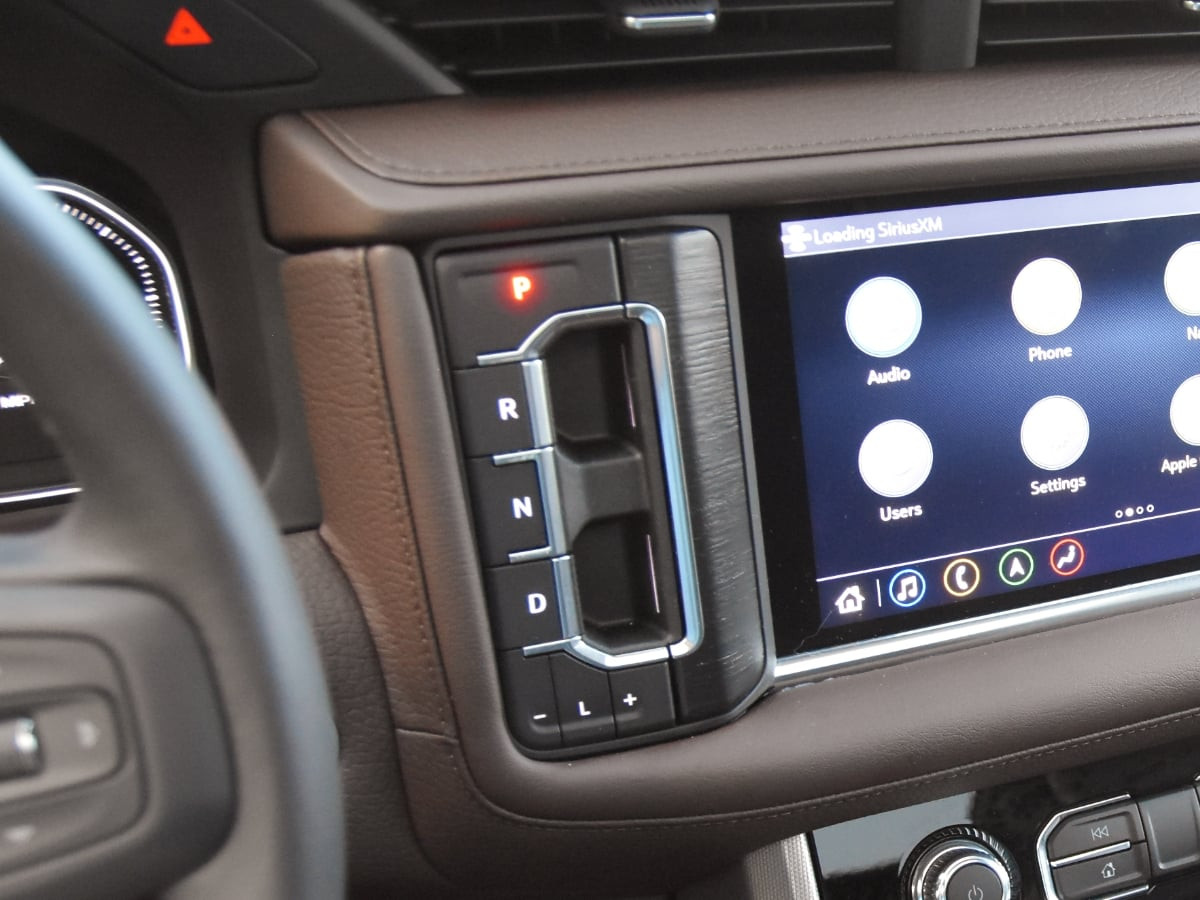
By using Low gear mode, the transmission stays locked in lower gears, providing the necessary torque to move heavy loads without the gear hunting constant in Drive. This approach protects transmission health and helps control the vehicle steadily at low speeds when maneuvering with a trailer.
CARFAX advises referencing your vehicle’s manual for speed limits when using this mode to prevent engine over-revving.
Maintaining Traction on Slippery and Confined Areas
Conditions like ice, snow, or mud punish sudden wheel torque changes. Upshifts at critical moments can cause loss of traction and wheelspin. Keeping the transmission in a low gear smooths power delivery, allowing the driver to regulate speed solely through the throttle without unpredictable shifts.
This smooth control also benefits tight, low-speed environments such as crowded parking lots, backing up a trailer at a campsite, or navigating stop-and-go traffic. The engine’s natural drag helps maintain a steady pace and reduces frequent brake pedal use.
Why the ‘L’ Label is Less Common in New Vehicles
Modern cars often omit the “L” designation entirely. The letter traditionally appears on conventional torque-converter automatics found in trucks, SUVs, and budget-friendly sedans from brands like Toyota, Ford, Chevrolet, and Volkswagen. Contemporary transmissions offer similar functions but under different names.
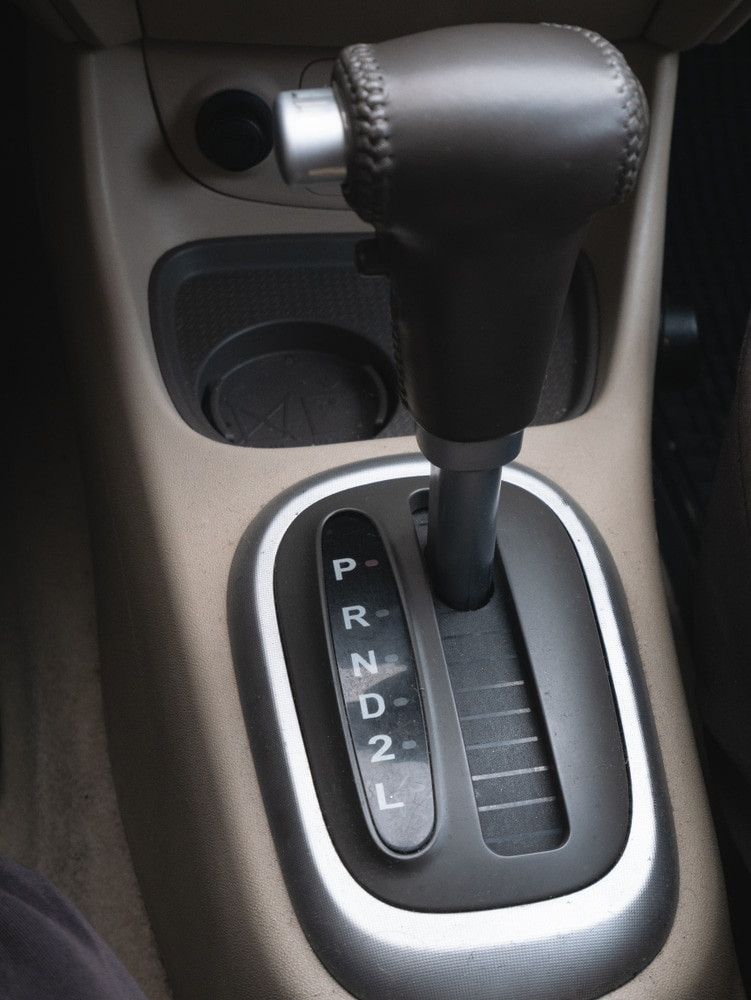
Manual mode (labeled M or accessible via paddle shifters) lets drivers select and maintain specific gears. Tow/Haul mode adjusts shift points for enhanced power and engine braking under load. Hill Descent Control automates braking during declines, maintaining a set speed without pedal input.
Advanced Terrain Management systems tweak transmission behavior for off-road conditions like sand, snow, or rocks, maintaining the same core mechanical principles—just without the “L” label.
Potential Downsides of Using Low Gear Improperly
Low gear mode is a targeted feature, not for everyday driving. Using it on normal flat roads forces the engine to run at high RPMs continuously, consuming excessive fuel and generating harmful heat. Extended misuse can accelerate wear on engine bearings, timing parts, and transmission components.
Once you’re back on level ground or no longer carrying a heavy load, shift back to Drive. This gear serves flat, smooth surfaces best, while “L” is reserved for steep gradients, challenging traction, and heavy hauling situations.
Next time you see a sign warning of a steep grade or face a boat ramp’s slow descent, remember that little “L” is ready to help. With a simple shift, it provides enhanced braking power, improved torque, and superior control—benefits that engineers designed precisely to keep you safe.
- Categories:
- News











0 comments
Sign in to Comment