
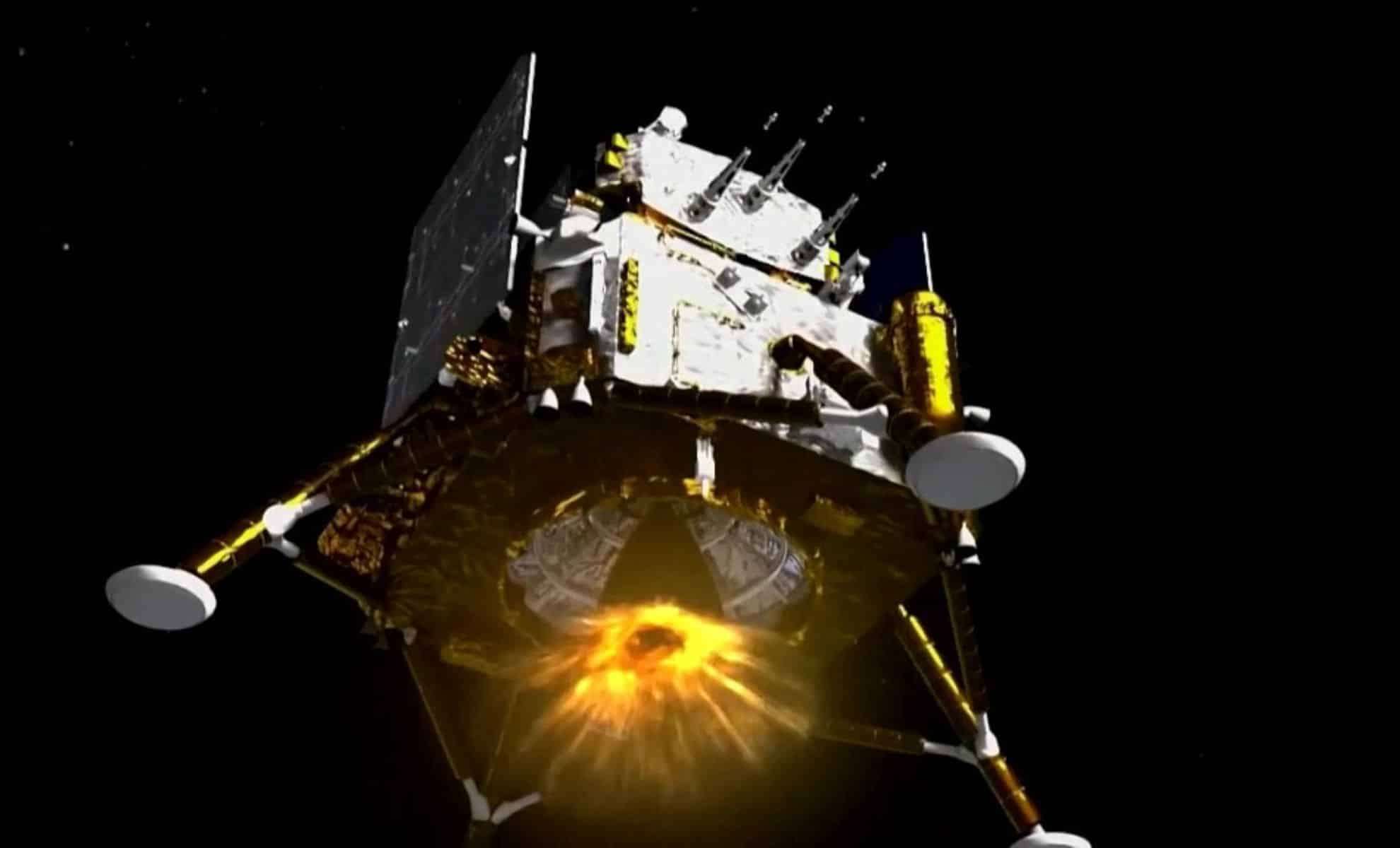
China has marked another space milestone by successfully landing the Chang’e 6 spacecraft on the far side of the moon, targeting the Apollo Crater within the South Pole-Aitken Basin. This achievement occurred at 6:23 a.m.
Beijing time on June 2, 2024, making it the nation’s second mission to accomplish a far-side lunar touchdown following Chang’e 4 in 2019. This expedition aims to retrieve and bring back samples of lunar soil and rock, offering scientists invaluable data about this concealed lunar hemisphere.
Landing Mission Overview
Chang’e 6 targets sample collection from the moon’s far side, a region known for its harsh terrain and communication challenges. Its touchdown site within the vast South Pole-Aitken Basin—the moon's largest, oldest impact crater—opens a window into studying lunar material dating back billions of years.

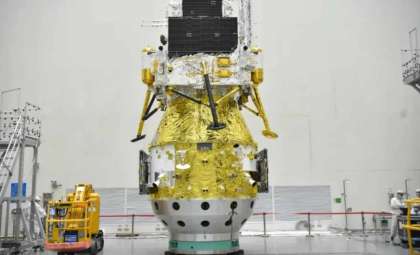
The lander gently touched down in the preselected Apollo Crater under stringent guidance systems developed by the China National Space Administration (CNSA). Equipped with a robotic arm and drill, the craft will extract about 2 kilograms (4.4 pounds) of soil and rock samples from surface and subsurface depths up to 2 meters (6.5 feet).
After sample acquisition, the material will be secured in a container launched upward by a small rocket. This container will dock with the orbiter to make its return journey to Earth. The samples are anticipated to arrive in the Inner Mongolia region of China around June 25, 2024, where they will undergo detailed scientific examination.
This mission’s success highlights China’s expanding expertise in lunar exploration and paves the way for more advanced projects focused on deepening knowledge of the moon and its potential for human habitation.
Scientific Impact and Comparison with Previous Missions
By collecting material from the rugged far side, Chang’e 6 provides unique insights unavailable from earlier lunar missions. The South Pole-Aitken Basin's ancient geology—formed over 4 billion years ago—makes it a prime target to explore the moon’s earliest epochs.
The samples will be analyzed alongside those retrieved by Chang’e 5 in 2020 from the moon’s near side, dominated by maria or basaltic plains. Contrasting these materials allows scientists to better understand the moon’s geologic evolution and the distinctions between its hemispheres.
China’s Expanding Lunar Ambitions
Chang’e 6’s accomplishment reinforces China’s commitment to lunar exploration under its Chang’e program, which has progressively increased in ambition and complexity with past orbiters, landers, and rovers.
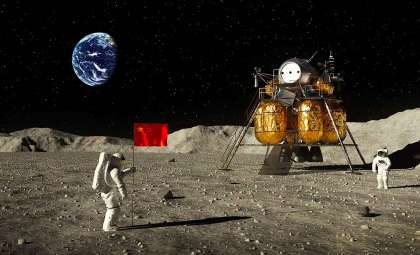
Looking forward, Chang’e 7 plans to survey the lunar south pole for water ice in 2026, while Chang’e 8, slated for 2028, will experiment with using local lunar resources to support building infrastructure. These missions build toward China’s goal of manned lunar landings by 2030 and establishing a multinational lunar research station.
Global Space Race and China’s Growing Role
China’s advances come amidst intensifying international competition to explore the moon. The US Artemis program targets astronaut returns by 2026 but faces technical delays, while countries including Japan and India also increase their lunar activity.
China’s successful operation of Chang’e 6 reinforces its position as a leading player in space exploration, reflecting strategic ambitions to dominate lunar research and human exploration technology.
As multiple nations push lunar boundaries, breakthroughs and innovations promise new understanding of Earth’s only natural satellite and its potential to support future human missions.
- Categories:
- Astronomy ,
- News ,
- Space ,
- Aircraft










0 comments
Sign in to Comment