
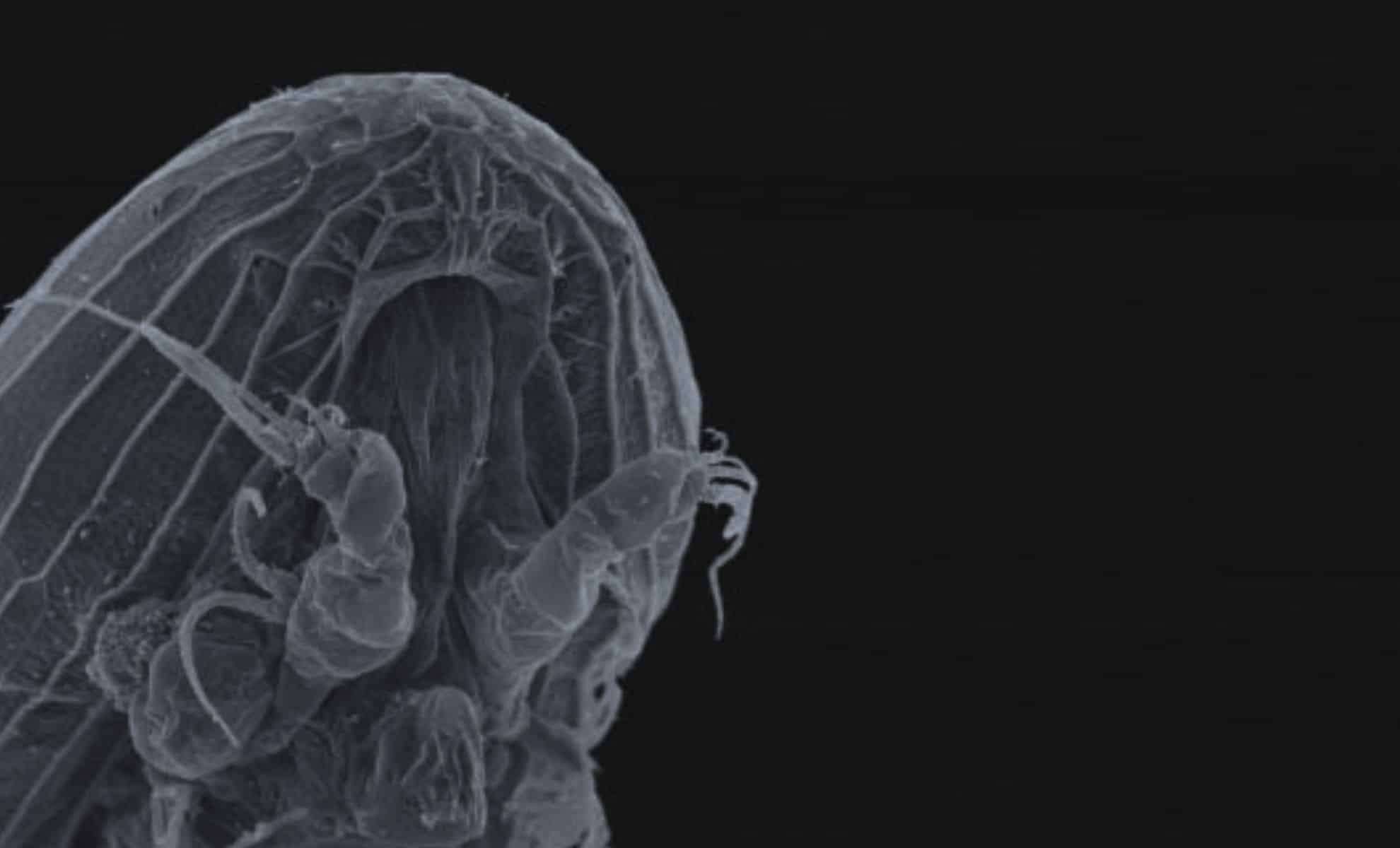
For more than 100 years, marine scientists have been intrigued by the enigmatic y-larvae, tiny planktonic organisms collected worldwide. Although known since the 19th century, their adult identity has eluded discovery—until recently. A breakthrough study published in Current Biology offers new insights, revealing surprising aspects of these creatures’ evolutionary background.
Unveiling the True Nature of Y-Larvae
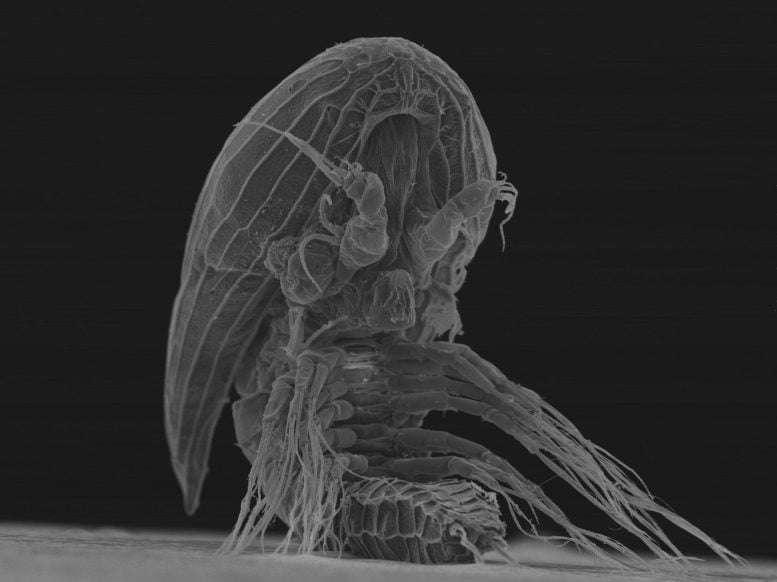
The y-larvae (scientifically known as Facetotecta) may initially appear similar to typical barnacle larvae. Unlike other barnacle larvae, which settle on surfaces like rocks, ships, or even whales, the adult counterparts of y-larvae have never been observed. Scientists now hypothesize that these elusive adults might not inhabit open waters but instead live concealed within other marine organisms as parasites.
The research team, including James Bernot from the University of Connecticut and Niklas Dreyer of the Natural History Museum of Denmark, analyzed transcriptomes from over 3,000 y-larvae to determine their biological affiliations. Their results linked y-larvae to barnacles, yet they are distinct from any previously known parasitic species.

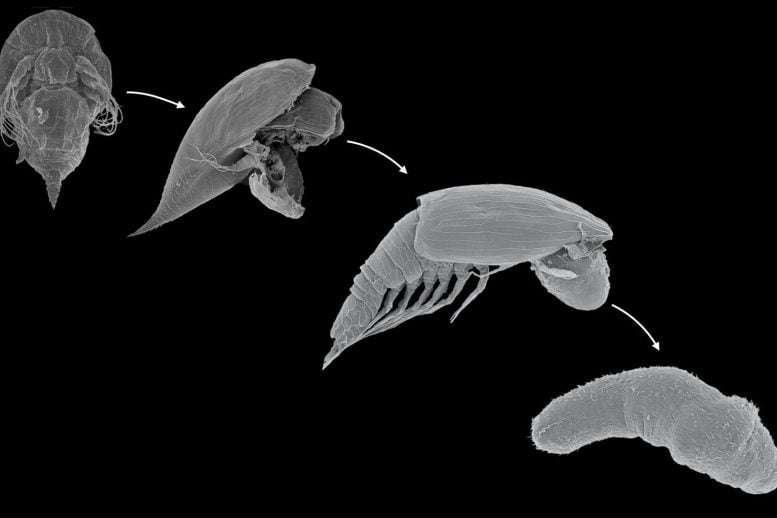
Interestingly, y-larvae share many adaptive traits typical of parasitic barnacles, such as specialized hook-like antennae and a remarkable metamorphosis triggered by molting hormones, transforming the larva into a slug-like, worm-shaped form called a ypsigon.
An Intriguing Case of Evolutionary Convergence
Bernot explains, “Because both types are parasitic and share similar lifestyles, they have independently evolved comparable mechanisms for host attachment and transformation into slug-like larvae.” He further suggests that the adult y-larvae remaining hidden inside host animals likely explains why they've escaped detection until now.
What captivates scientists is the trigger for this transformation: exposure to crustacean growth hormones prompts free-swimming y-larvae to molt into a form closely resembling parasitic barnacles. This strongly indicates a parasitic phase ahead, although identifying their specific host species remains an unresolved challenge.
Exploring a Hidden Diversity of Marine Parasites
The investigation also uncovered more than 100 genetically unique y-larvae species in a single harbor in Japan alone. This suggests a vast, unexplored diversity that might number in the hundreds or thousands, largely unnoticed since adult forms are difficult to find.
This discovery sparks vital questions regarding ocean biodiversity and parasitic roles within marine ecosystems. Bernot notes that some parasitic barnacles have astonishing effects on their hosts, such as sterilizing crabs, manipulating their reproductive behavior, and even causing males to care for parasite eggs as if they were their own.
If y-larvae enact comparable parasitic strategies, they may play a profound, previously unrecognized part in shaping marine environments. However, fully understanding their impact awaits identifying their elusive host organisms.
- Categories:
- News









0 comments
Sign in to Comment