
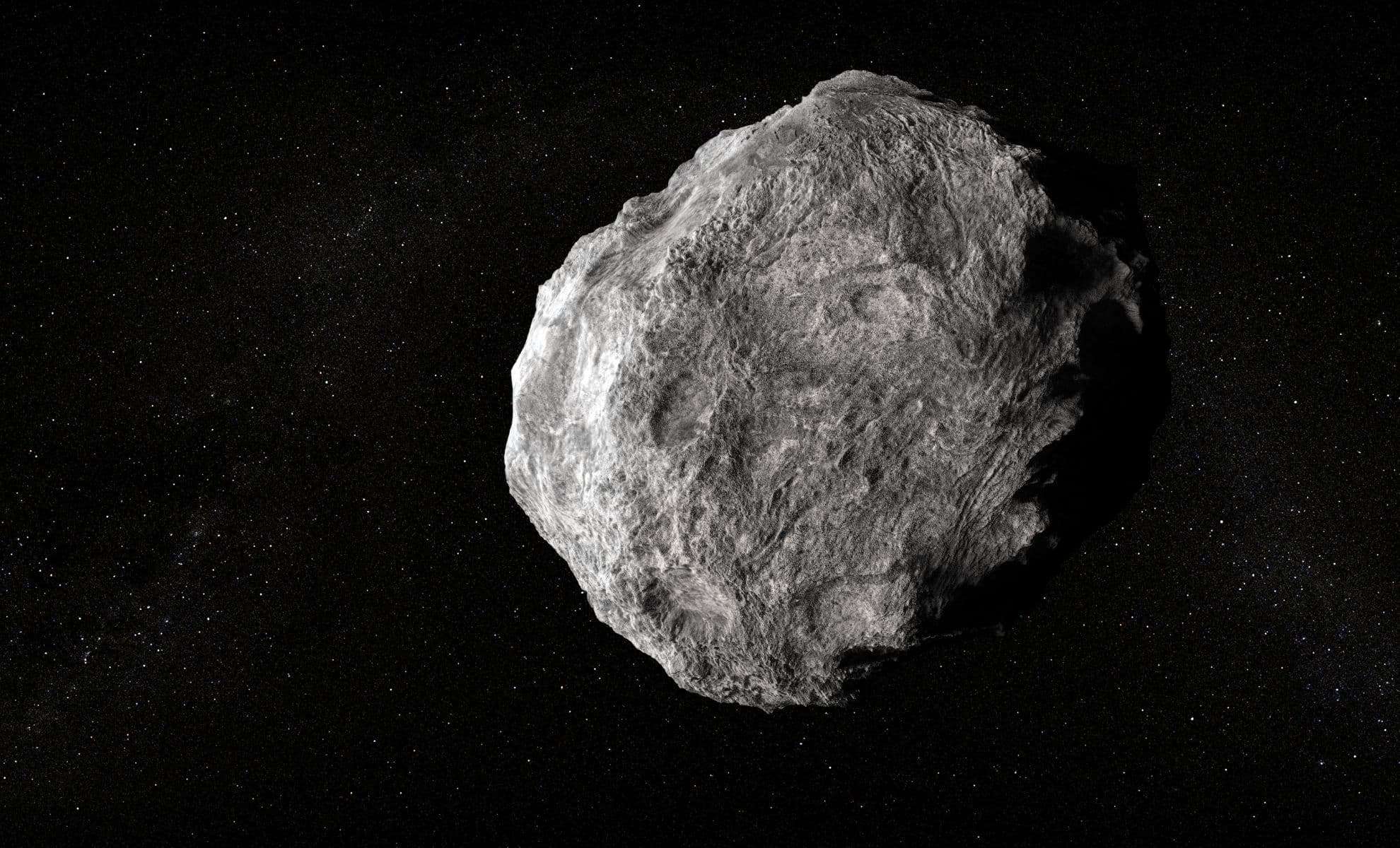
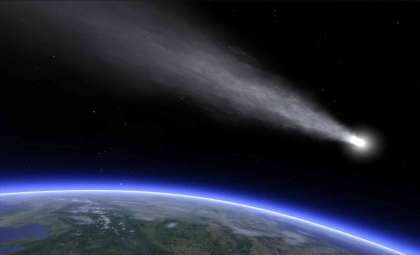
A Japanese spacecraft is currently embarking on an extraordinary mission targeting one of the solar system’s most enigmatic bodies — a so-called dark comet. These mysterious objects defy traditional categorization, behaving neither like typical asteroids nor classical comets, and displaying unexpected accelerations without the visible gas and dust tails that usually mark comets.
By the time Hayabusa2 reaches its destination, asteroid 1998 KY26, in 2031, scientists hope to solve key puzzles connected to Earth’s water origins, as well as assess potential cosmic hazards.
What Are Dark Comets?
A study featured in The Planetary Science Journal traces the discovery of dark comets back to 2016, when astronomers identified objects mimicking cometary behavior but lacking any visible coma or tail. Despite resembling inert, rocky asteroids, their motions reveal subtle forces that imply unseen gas emissions.

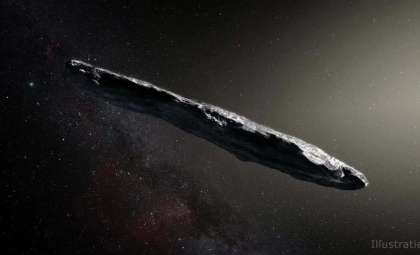
One such object, 2003 RM, demonstrated accelerations that could not be attributed to known effects like solar radiation or the Yarkovsky effect. The interstellar visitor ‘Oumuamua also exhibited similar unexpected speed changes as it left the solar system, suggesting this category of unusual comet-like bodies may be more common than once believed.
By early 2024, astronomers had identified 14 dark comets. Evidence suggests these bodies could be reservoirs of hidden ice, important to understanding how Earth acquired its oceans, and they might pose unanticipated collision risks because their orbits can shift abruptly.
Two Distinct Categories of Dark Comets
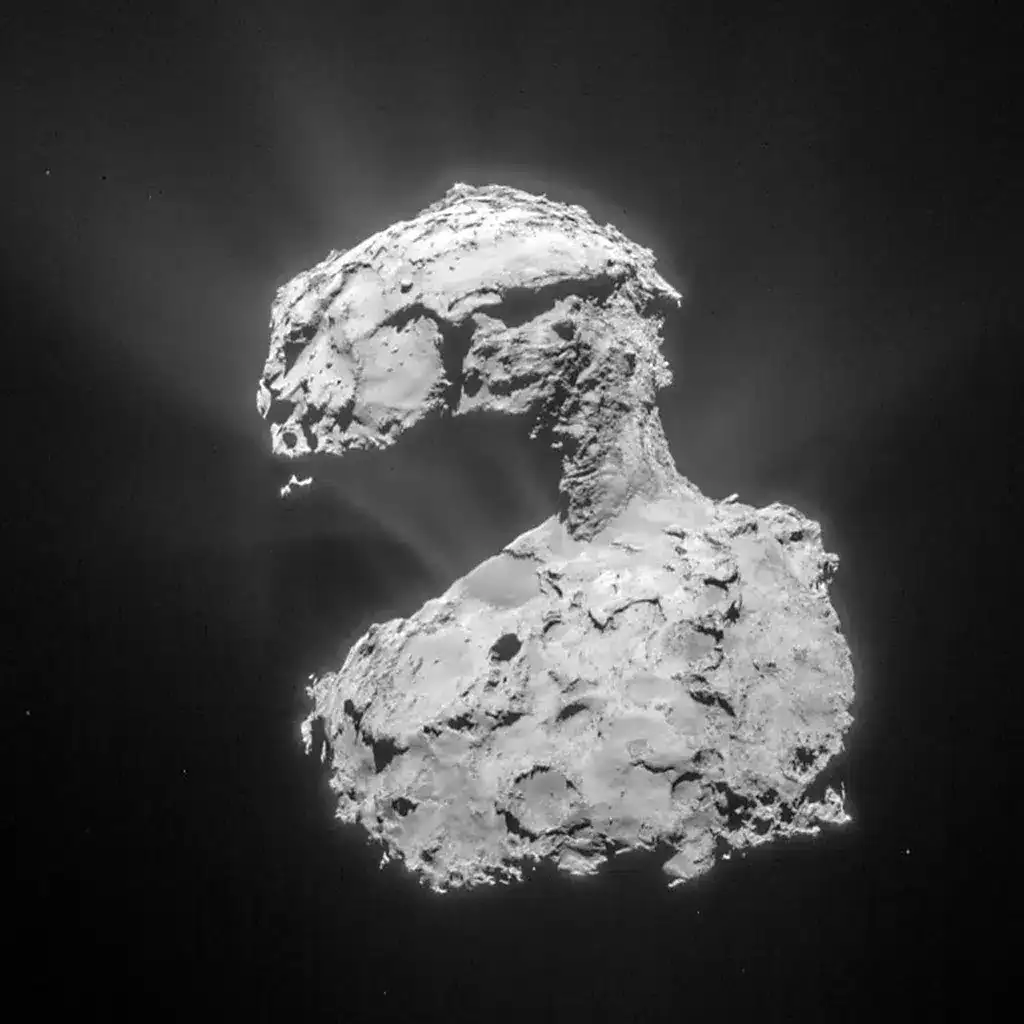
Research spearheaded by planetary scientist Darryl Seligman indicates that dark comets can be divided into two groups. The larger outer dark comets — or “outies” — often span several hundred meters, possess higher reflectivity, and follow comet-like orbits originating near Jupiter.
In contrast, the smaller inner dark comets, known as “innies,” are under 50 meters in diameter and orbit within the inner solar system on circular paths. Their persistent acceleration despite intense solar heating suggests they may harbor subsurface ice reservoirs.
Their diminutive sizes make them susceptible to destruction from rapid rotation or complete sublimation, yet they remain detectable. Some hypotheses propose that innies could be remnants of exhausted outies or related to main-belt comets close to losing their volatile substances.
Hayabusa2’s Surprise Assignment
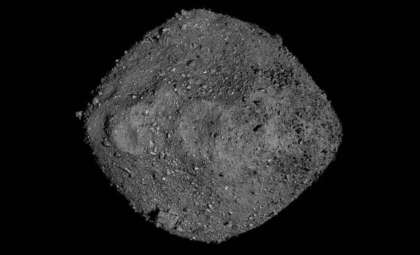
Originally launched by the Japanese space agency JAXA in 2014 to collect samples from the asteroid Ryugu—a task successfully completed in 2020—the Hayabusa2 spacecraft still retained fuel. This allowed the mission team to repurpose it for studying small objects relevant to planetary defense. The new target, selected before the recognition of dark comets, is 1998 KY26, a rapidly spinning inner dark comet roughly 30 meters wide.
Mission manager Yuichi Tsuda describes this as an extraordinary coincidence. Upon arrival, Hayabusa2 will begin by observing 1998 KY26 from a distance, searching for signs of sublimation that could explain its strange motion. If outgassing is present, the spacecraft will attempt a closer approach, possibly deploying a projectile to create a crater and expose the object's internal makeup.
Efforts To Decode Dark Comets
Hayabusa2’s upcoming study is part of a larger initiative to deepen knowledge about these elusive visitors. Ground-based observatories such as the Lowell Discovery Telescope will keep tracking known dark comets, while future instruments like the Vera C. Rubin Observatory are expected to discover many more once operational.
Understanding dark comets holds great significance, as they may transform prevailing models of solar system development and influence global planetary defense measures. As University of Michigan's Aster Taylor emphasizes, “If we can’t detect these objects correctly, we will not be able to know if they’re going to hit us.”
Should Hayabusa2’s close study confirm 1998 KY26’s icy nature, the puzzle of dark comets will move from mystery to defined understanding, illuminating a hidden population lurking quietly in the shadows of our cosmic neighborhood.
- Categories:
- News






0 comments
Sign in to Comment