
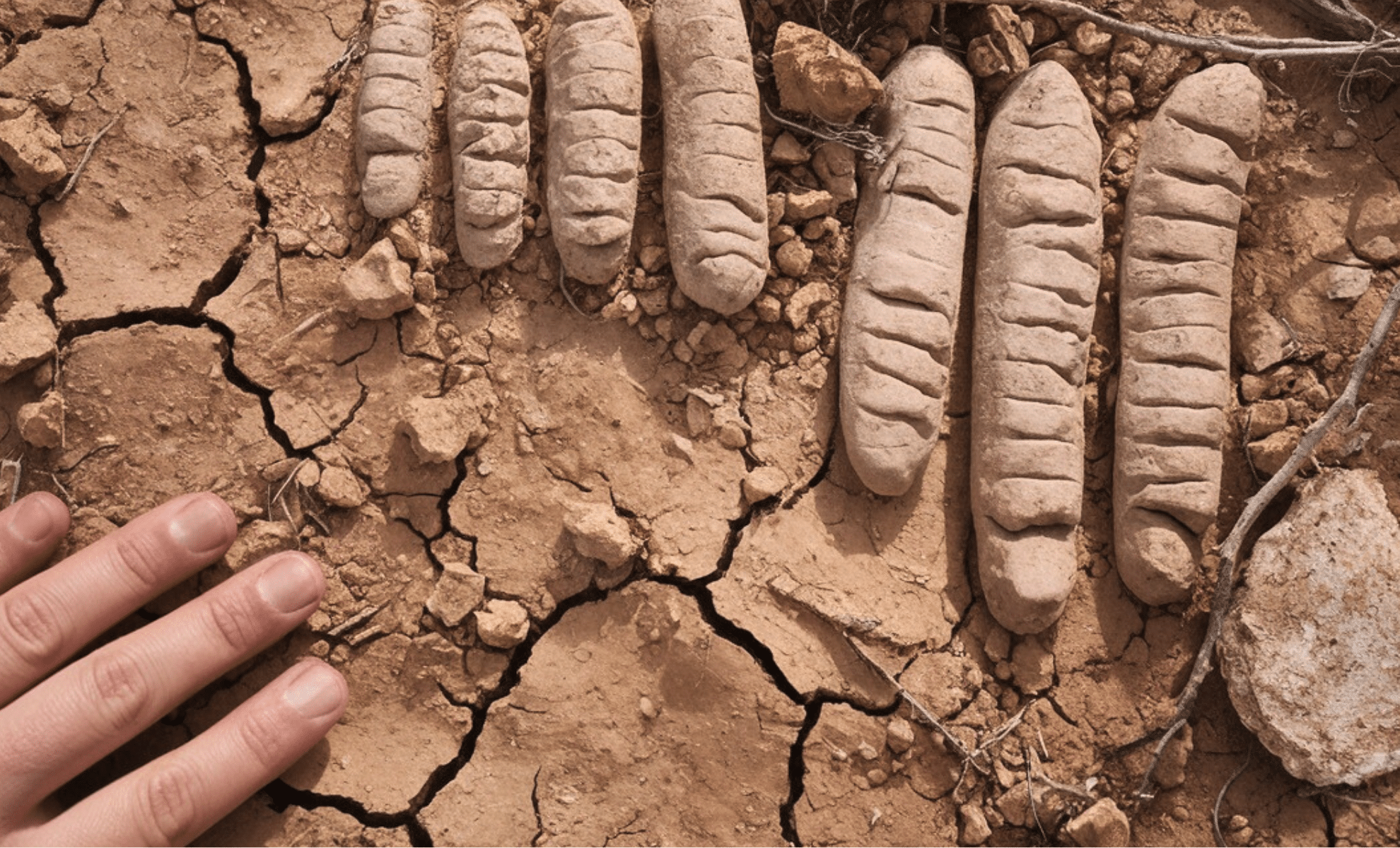
A groundbreaking publication in Nature unveils fresh understanding of how dinosaurs rose to prominence, highlighting the crucial role of their dietary habits and evolutionary changes. By examining an extensive collection of fossilized digestive remnants—known as bromalites—scientists have pieced together what dinosaurs consumed and traced the transformations in their feeding strategies over millions of years. The findings indicate that both environmental fluctuations and adaptive evolution played key parts in dinosaurs becoming Earth's dominant land animals.
Unlocking Dinosaur Diets Through Bromalite Fossils
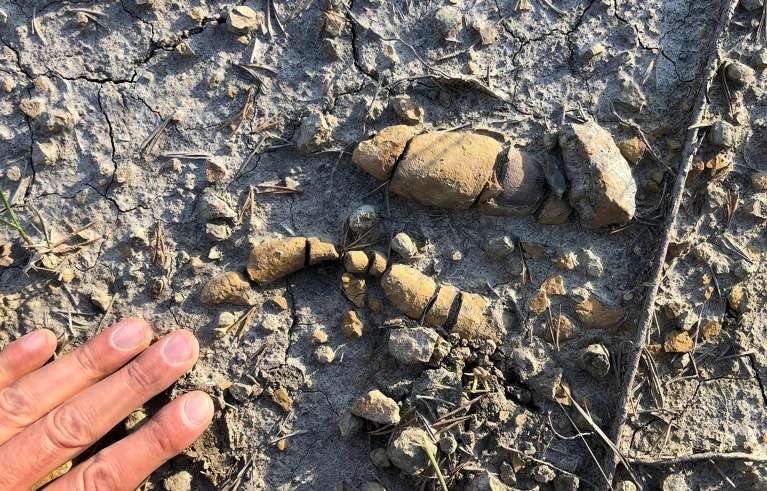
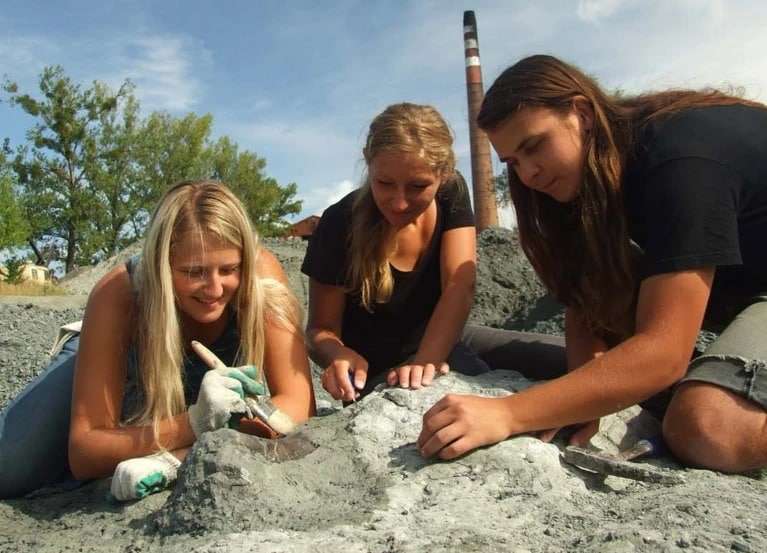
Led by Martin Qvarnström at Uppsala University, the research group investigated more than 500 bromalite specimens sourced from the Polish Basin in Central Europe. Dating back roughly 200 million years, these fossils offered a window into the eating behaviors of the earliest dinosaurs. Qvarnström remarked that “even fossils that seem ordinary can deliver extraordinary discoveries.”
Utilizing sophisticated methods like synchrotron microtomography, which employs a particle accelerator to visualize fossil interiors, along with detailed chemical analyses, the team identified remnants of plants, fish, and insects within the samples.

Despite challenges posed by the fossils’ aging and acidic conditions, the preservation of insect remains was unexpectedly exceptional. Qvarnström noted, “Some insects were preserved in three dimensions, complete with antennae and legs,” offering priceless clues about dinosaur dietary patterns.
A Multifaceted Journey to Ecological Dominance
The investigation demonstrates that dinosaurs’ ascendancy was a gradual and intricate process. Analysis of bromalite contents reveals an increase in both the quantity and diversity of consumed foods over time. Particularly during the late Triassic era (around 237 to 201 million years ago), larger dinosaurs with varied diets began to take precedence.
Cross-referencing botanical data from the same time frame, the researchers concluded that a mix of random events and adaptive traits shaped dinosaur evolution. For instance, higher humidity during the Triassic triggered vegetation shifts, which then influenced dinosaur food sources. Qvarnström summarized, “We discovered that the dinosaur rise was prolonged and complex.”
He also emphasized that the rise was not solely due to chance, but rather a combination of environmental changes and evolutionary innovations.
Advancing Knowledge on Dinosaur Evolution
This breakthrough advances our understanding of how life adapts to shifting environmental pressures. Suresh Singh, a palaeoecologist at the University of Bristol, lauded the study as “an outstanding effort” and noted it is the first large-scale application of bromalite-focused research.
Singh suggested that future investigations could leverage bromalites to chart dinosaur evolutionary patterns across different global regions. “Evidence points to dinosaurs originating in the Southern Hemisphere, which may show a distinct evolutionary trajectory,” he remarked.
The Future Potential of Bromalite Studies
The study highlights bromalites as vital fossils for uncovering early dinosaurs’ dietary preferences and evolutionary journeys. As Qvarnström stated, their work confirms that even “unassuming fossils” can yield “astonishing insights,” paving the way for deeper exploration into ancient ecosystems and dinosaur adaptation.
Source: Nature
- Categories:
- News













0 comments
Sign in to Comment