
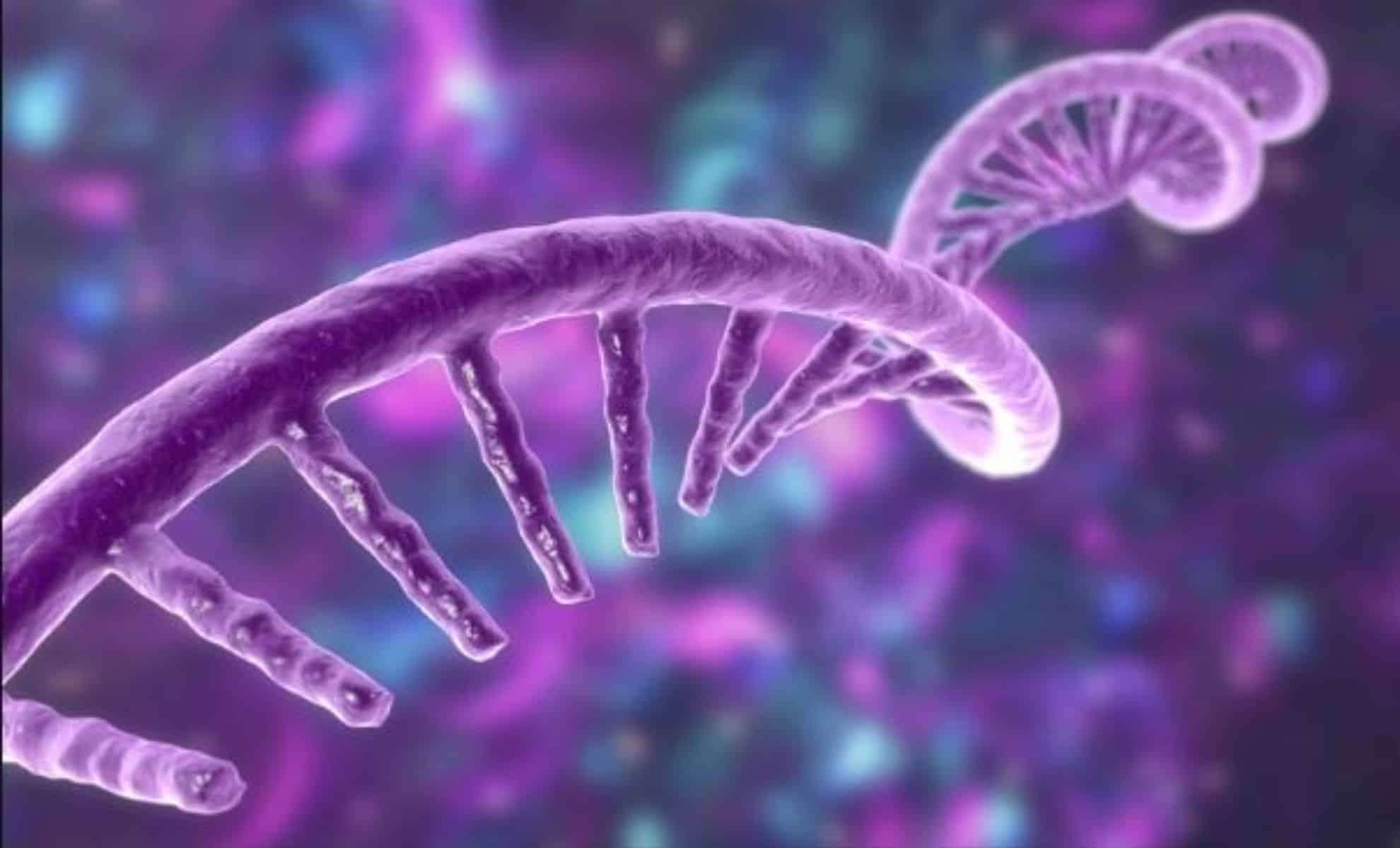
Scientists have identified an extraordinary new class of tiny life forms within the human body, dubbed “obelisks.” Detected via cutting-edge genetic technologies, these enigmatic entities defy traditional categories of life and hint at previously unknown biological complexity residing inside us. Smaller than most viruses and unlike any known microorganisms, obelisks are forcing experts to rethink foundational concepts of biology.
This groundbreaking research, spearheaded by Nobel Prize winner Andrew Fire at Stanford University, arose from extensive analyses of large genomic datasets seeking novel sequences. Obelisks share characteristics with viroids—small infectious RNA rings affecting plants—but were discovered in bacteria linked to humans. Unlike typical viruses, which are encased in protein coats, obelisks lack such protective shells, making them a distinct form of life.
The Origin and Characteristics of Obelisks
The identification of these unique RNA-based molecules came from mining huge genomic repositories. Advanced computational methods enabled researchers to pinpoint RNA formations that didn’t fit known biological classifications. Because of their distinctive shapes, these entities were named “obelisks,” and so far thousands of different types have been cataloged.

Mark Peifer, an expert in developmental biology at the University of North Carolina, shared his perspective on the discovery:
“The more we look, the crazier we see.”
Obelisks stand out for their incredibly simple structure. Unlike viruses, which possess protein shells for protection, obelisks entirely lack this feature. This distinct difference challenges long-held views on microbial architecture and evolutionary development.
Locations Within the Human Body
Researchers have detected obelisks in bacteria inhabiting various parts of the human anatomy, including the oral cavity and gut. Their distribution hints at complex interactions with their bacterial hosts and possibly significant roles in human physiological processes. Preliminary data suggest specific obelisk types may thrive in particular anatomical niches, indicating specialized functions within our microbiome.
Matthew Sullivan, a biologist focusing on integrative biology at Ohio State University, emphasized that while the health effects of obelisks remain to be fully understood, they could influence bacterial activities that impact overall human biology. This discovery adds a fascinating new dimension to the dynamic relationship between humans and their resident microorganisms.
Traits That Set Obelisks Apart
Obelisks resist straightforward classification. They are neither viruses, bacteria, nor traditional viroids, yet exhibit features characteristic of all three. This ambiguity pushes the boundaries of current life classification systems and suggests there could be entire undiscovered groups of RNA-based life forms.
Structurally reminiscent of viroids, infectious RNA molecules affecting plants, obelisks differ markedly in function and form. While viroids are established pathogens, the ecological and biological impacts of obelisks within the human microbiome are still unknown. They might represent evolutionary intermediates bridging primitive RNA molecules and more complex organisms.
Their discovery has revitalized discussions about viral evolution and RNA life origins. Some researchers theorize viruses may have arisen from simple RNA ancestors, while others propose obelisks could be evolutionary relics predating known microbial life.
How Obelisks Were Identified
Uncovering obelisks demanded sophisticated genomic analyses that could detect minuscule, circular RNA structures. Scientists carefully separated these genuine biological entities from background noise in massive data sets, revealing a hidden realm of RNA organisms missed by previous detection methods.
"Being part of this research is incredibly thrilling," remarked Simon Roux, computational biologist at the DOE Joint Genome Institute. The breakthrough illustrates how modern genetic technologies can expose life forms previously invisible to science, expanding our biological horizons.
Potential Scientific and Medical Significance
Beyond their evolutionary intrigue, obelisks could have important implications for human health. If they affect bacterial function, they may indirectly influence biological systems such as digestion and immune response. Unlocking their roles could pave the way for novel medical insights, particularly in microbiome-related conditions.
Furthermore, the presence of these RNA-based entities challenges current perceptions of life's complexity and adaptability. Their existence suggests similar organisms might inhabit diverse ecosystems, from extreme terrestrial habitats to possibly extraterrestrial worlds.
Expanding Horizons in Microbial Exploration
The revelation of obelisks marks just the initial step toward uncovering life’s hidden diversity. As genomic research progresses, scientists anticipate discovering additional unexpected forms of life that defy conventional classifications. These findings highlight the critical importance of delving deeper into the human microbiome and microbial environments globally.
Though minuscule and structurally minimalistic, obelisks profoundly affect scientific understanding. By urging a reconsideration of life’s definitions, they open promising paths to new biological and evolutionary insights. This small yet powerful discovery reminds us that the natural world continually reveals more layers of complexity as scientific boundaries advance.
- Categories:
- News










0 comments
Sign in to Comment