

A pioneering European initiative is investigating the use of ion beam technology to remotely redirect hazardous space debris, helping to reduce collision risks in Earth's orbit. With countless fragments already circling our planet and an increasing number of satellite launches planned, developing effective debris management solutions has become critical.
Known as ALBATOR, this cutting-edge concept is in its nascent stages but promises a non-contact method to safely maneuver space junk without physical interaction.
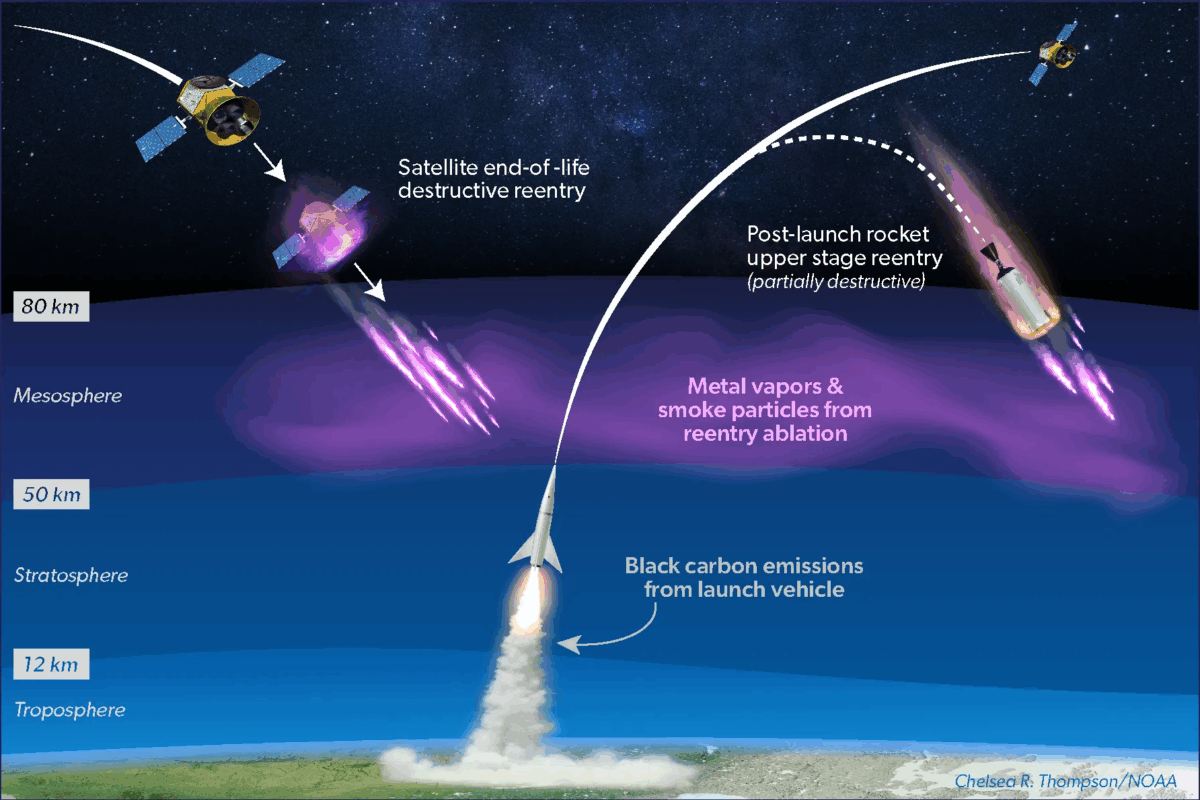
According to recent findings from NOAA, by the year 2040, man-made orbital debris could reach levels comparable to natural meteor dust entering our atmosphere annually.
A Fresh Tactic to Combat Orbital Clutter
Space debris ranging from obsolete satellites to tiny paint chips hurtling at tremendous speeds poses serious threats to ongoing space activities, including missions aboard the International Space Station. While active satellites can be repositioned to dodge collisions, defunct objects remain a persistent danger.
The €3.9 million ALBATOR project aims to revolutionize debris mitigation approaches by deploying multicharged ion beams to subtly alter the orbits of problematic debris remotely. This non-contact technique avoids the need for nets or robotic grabs, reducing risk and complexity.

Led by the French startup Osmos X along with partners from Germany, Spain, and Luxembourg, the research focuses on demonstrating that precise ion beam control can safely maneuver hazardous objects without generating additional fragments.
“By avoiding the risks inherent in capture or docking, the [ALBATOR] project aims to provide a safer and more versatile solution to one of the greatest challenges facing space sustainability: the proliferation of debris in Earth’s orbit,” NorthStar officials stated in a release last month, highlighting their involvement.
Advancing the Frontier of Debris Management
The ALBATOR initiative recently received backing from the European Innovation Council Pathfinder, which supports breakthrough technologies with transformative potential, as reported by Space.com. Scheduled to proceed through early 2029, the program has yet to announce any in-orbit testing, but interest from industry and scientific communities is steadily mounting.
Combining expertise from multiple European countries, the project aims to harness ion beam technology—traditionally used for deep-space propulsion—to perform delicate adjustments of debris trajectories in near-Earth orbit. Thanks to their steady, low-thrust output, ion beams can offer finely tuned control suited for orbital debris management.
One of the main hurdles is accurately targeting debris and exerting just enough force to alter its path without fragmenting the object or losing control. Achieving this demands cutting-edge tracking, real-time monitoring, and precision ion propulsion systems—all critical components currently under development within ALBATOR’s framework.
The Growing Imperative to Act
The need for effective space debris mitigation is increasingly urgent. A new study featured in the Journal of Geophysical Research and supported by NOAA predicts a threefold increase in material re-entering Earth's atmosphere by 2040. This escalation poses risks not only to satellites but potentially to people and property on the ground due to uncontrolled re-entries.
This threat is compounded by the possibility of a Kessler Syndrome effect, wherein collisions generate thousands of fragments, increasing chances of future impacts. ALBATOR’s non-contact ion beam strategy could prove essential for halting this dangerous feedback loop.
Next steps for the project involve creating technology prototypes, conducting detailed orbital simulations, and refining ion beam control mechanisms. Collaborations between innovative startups and European research institutions are fueling momentum toward making this approach viable.
Whether ion beams become the primary tool for space debris removal remains to be seen, but with orbital congestion steadily mounting, forward-thinking solutions like ALBATOR are more vital than ever.
- Categories:
- News











0 comments
Sign in to Comment