
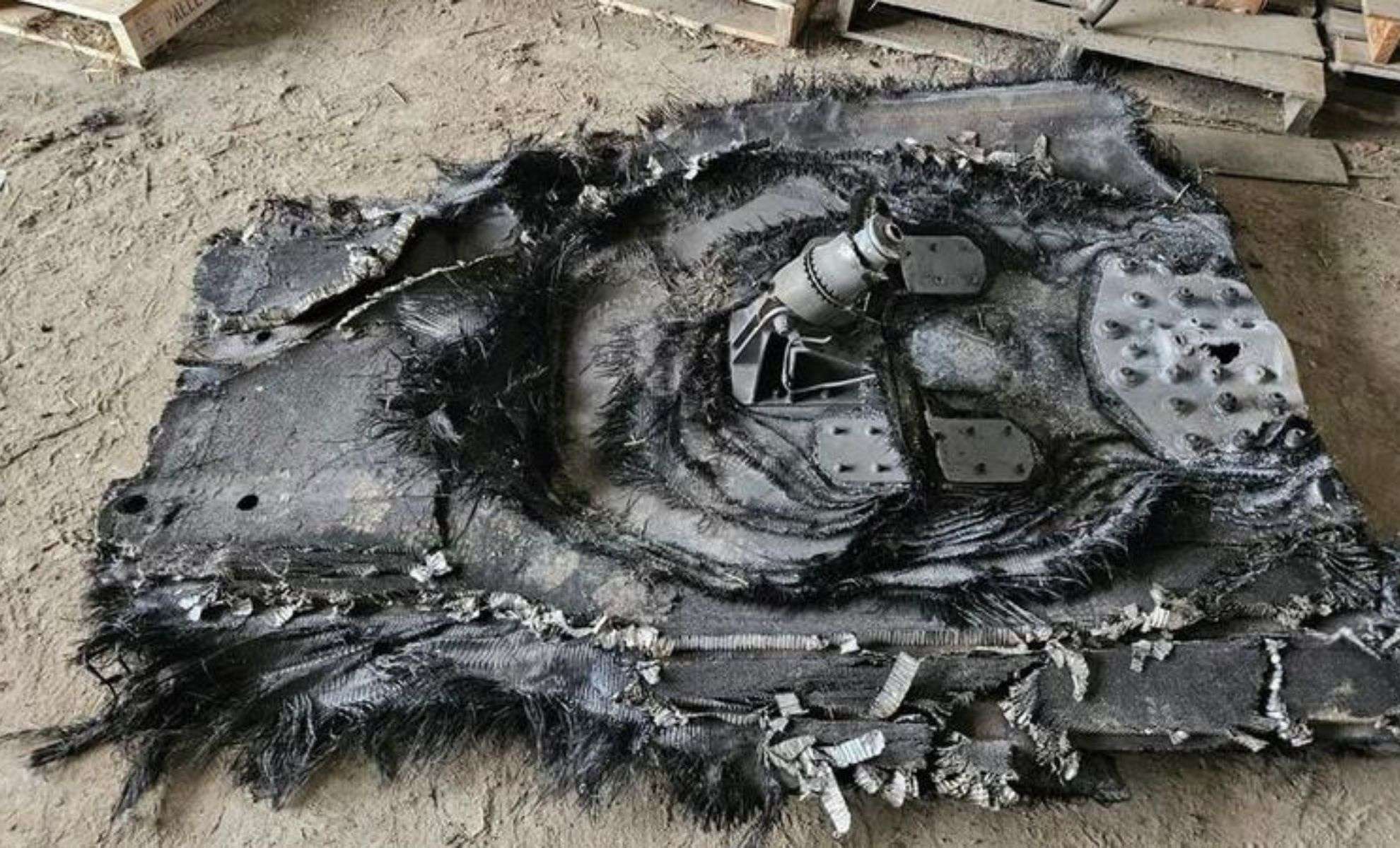
Barry Sawchuk, a farmer from Saskatchewan, Canada, recently uncovered a sizeable piece of space debris weighing approximately 90 pounds amidst his fields during the spring planting season.
Scientists believe this charred fragment could be linked to the SpaceX Crew Dragon trunk, likely originating from an atmospheric re-entry in February 2024. This event has reignited awareness about the dangers posed by orbital debris and the urgent demand for comprehensive global safety standards.
Origins of the Debris
The object retrieved in Saskatchewan is thought to be a leftover section of the Crew Dragon trunk, a component utilized during SpaceX missions. Although SpaceX has yet to officially verify the source, trajectory data closely matches a re-entry incident from early 2024. A similar incident took place in 2022, when comparable remains were located in Australia, illustrating how such debris can frequently descend to Earth.

The Crew Dragon spacecraft serves as a vehicle for ferrying astronauts and freight to the International Space Station (ISS). The trunk, an unpressurized exterior module containing solar panels and cooling equipment, detaches before atmospheric re-entry. Occasionally, portions of this detached module survive descent, presenting potential risks upon impact.
Concerns About Regulation and Safety
As incidents involving space debris become more frequent, they fuel ongoing discussions about safety and regulatory responses. Organizations such as SpaceX, NASA, and the FAA are actively engaged in addressing these hazards. Important frameworks like the Outer Space Treaty and the Space Liability Convention provide foundational guidelines but recent events highlight the pressing need for improved debris control policies to safeguard both communities and ecosystems.
The Outer Space Treaty and Liability Framework
The Outer Space Treaty of 1967 establishes the core international legal principles governing space activities, holding nations accountable for all actions by governmental or private organizations within their jurisdiction. It is supplemented by the Space Liability Convention of 1972, which sets forth responsibility criteria for damage caused by spaceborne objects.
States launching space vehicles are liable for any resulting harm caused by debris landing on Earth. This legal structure supports claims and compensation procedures. While these treaties remain vital, the growing scale of space operations calls for more robust and forward-thinking regulatory approaches.
Past Incidents Illustrating Risks
Previous events emphasize the dangers space debris can impose. In 1978, the Kosmos 954 satellite, equipped with a nuclear power source, crashed over Canada’s Northwest Territories, dispersing radioactive material. The cleanup effort, known as Operation Morning Light, was a collaborative US-Canadian mission that highlighted the complexities involved in managing space hazards.
Another significant case was the 2003 Columbia Space Shuttle disaster, which scattered debris across several US states. These episodes underscore the critical importance of abiding by international treaties in mitigating space debris threats. The recent Saskatchewan find underscores the ongoing relevance of such frameworks today.
Addressing the Space Debris Challenge
With billions invested in growing space activities, the issue of orbital debris demands innovative solutions alongside strengthened global cooperation. Open communication between government agencies and commercial space enterprises is vital for establishing best practices in debris reduction and emergency response, ensuring public and environmental safety.
Technologies for Detection and Prevention
Tracking debris forms a cornerstone of managing space risks. The United States Space Surveillance Network (SSN) monitors thousands of objects in orbit to forecast collisions and re-entry events. Advanced sensing technologies and predictive models enhance early warning capabilities.
Preventative strategies include engineering spacecraft from materials that disintegrate upon re-entry or equipping them with thrusters to guide their controlled descent. The emerging field of active debris removal (ADR) focuses on capturing and deorbiting large space junk pieces to reduce collision hazards.
Global Partnership Efforts
Mitigating space debris effectively hinges on widespread international collaboration. Spacefaring nations and organizations collaborate through bodies like the Inter-Agency Space Debris Coordination Committee (IADC) to share expertise and create unified strategies.
As space activities expand, updating and enforcing comprehensive international guidelines will be crucial to maintain sustainable and safe operations beyond Earth.






0 comments
Sign in to Comment