
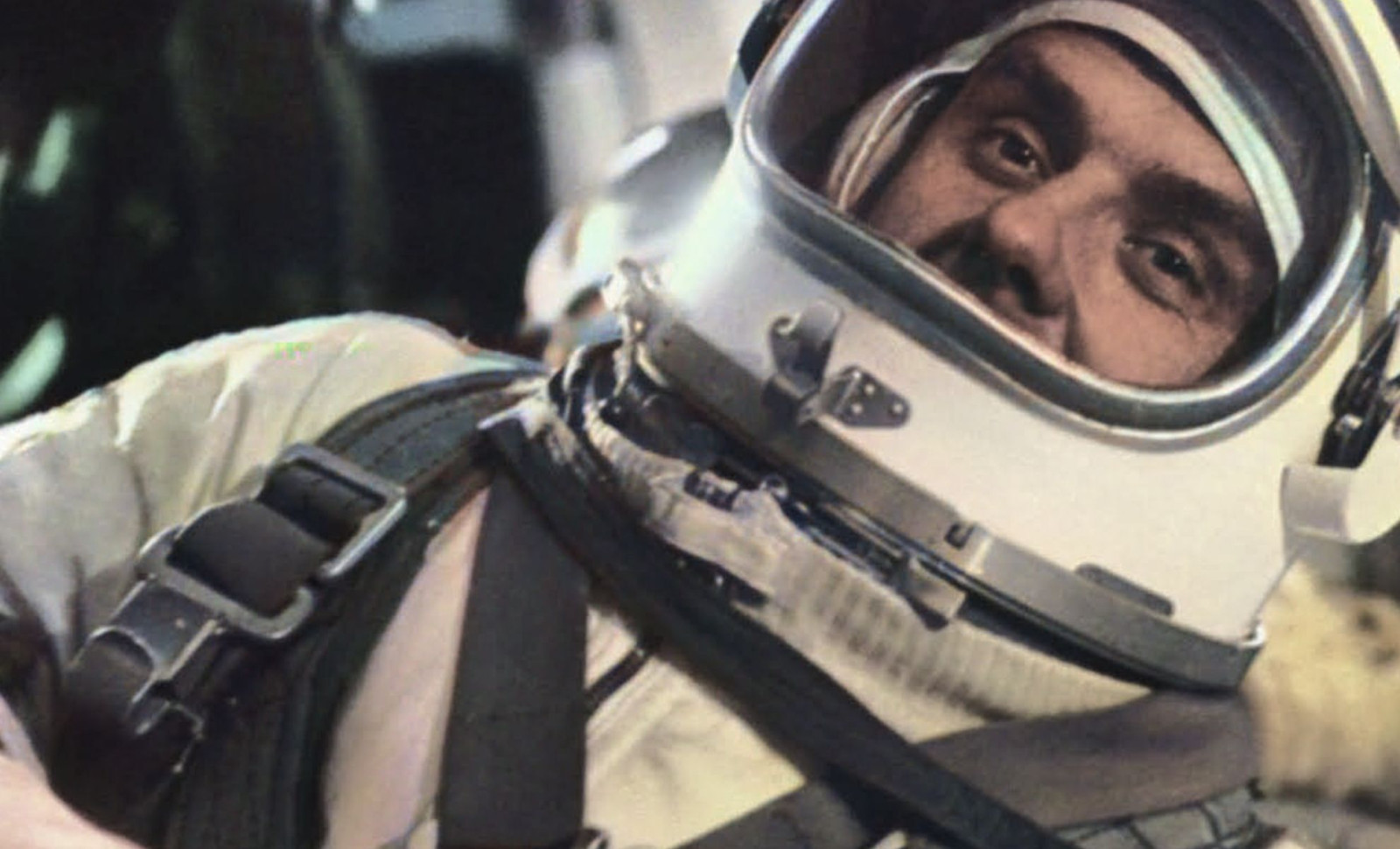
The fatal accident involving Soviet cosmonaut Vladimir Komarov in 1967 was far from an unexpected event. Engineers had recorded numerous problems, and the mission’s risks were known throughout the Soviet space program hierarchy.
On April 23, 1967, Komarov ascended into his spacecraft at the Baikonur Cosmodrome in Kazakhstan, secured himself inside, and awaited liftoff. What made this moment particularly poignant was that just days before, he confided in a close colleague that he doubted he would survive.
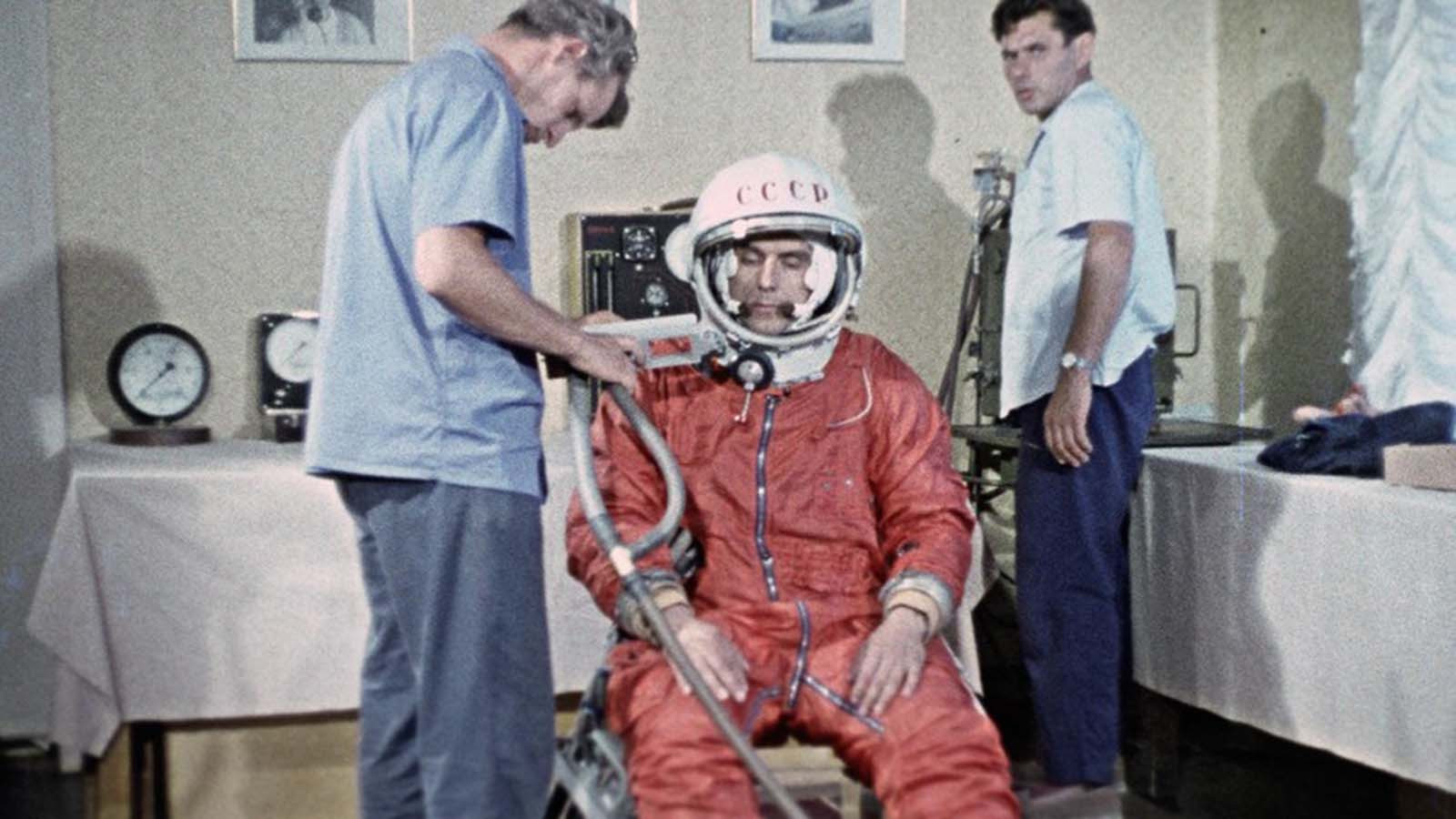
That confidant was KGB officer Venyamin Russayev. In a 1997 BBC interview and detailed in Starman by Jamie Doran and Piers Bizony, Russayev shared a conversation that revealed a grim truth: Komarov’s death was a predictable outcome of decisions made well beyond his rank.

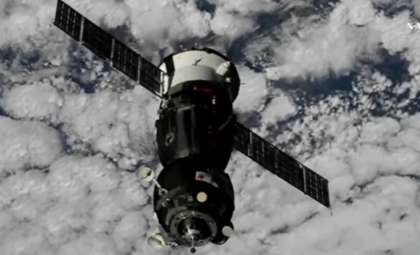
The spacecraft was Soyuz 1. The pilot, Vladimir Komarov, aged 40, was an experienced cosmonaut with a previous flight under his belt. His backup was none other than Yuri Gagarin, the legendary Soviet space hero and Komarov’s close friend. Despite knowing the risks, Komarov proceeded with the mission.
A Spacecraft Plagued by 203 Defects
Pre-flight inspections uncovered 203 defects in the Soyuz 1 spacecraft’s construction. Uncrewed test missions exposed issues that would have endangered any astronaut. Gagarin joined engineers in compiling an official report listing the hazards and advising to delay the launch. This document reached Russayev, who tried to escalate the concerns within the leadership.
According to Starman, Russayev was subsequently barred from further contact with the cosmonaut team. Soviet leader Leonid Brezhnev prioritized a politically symbolic launch over technical warnings, overriding the collective expert assessment.
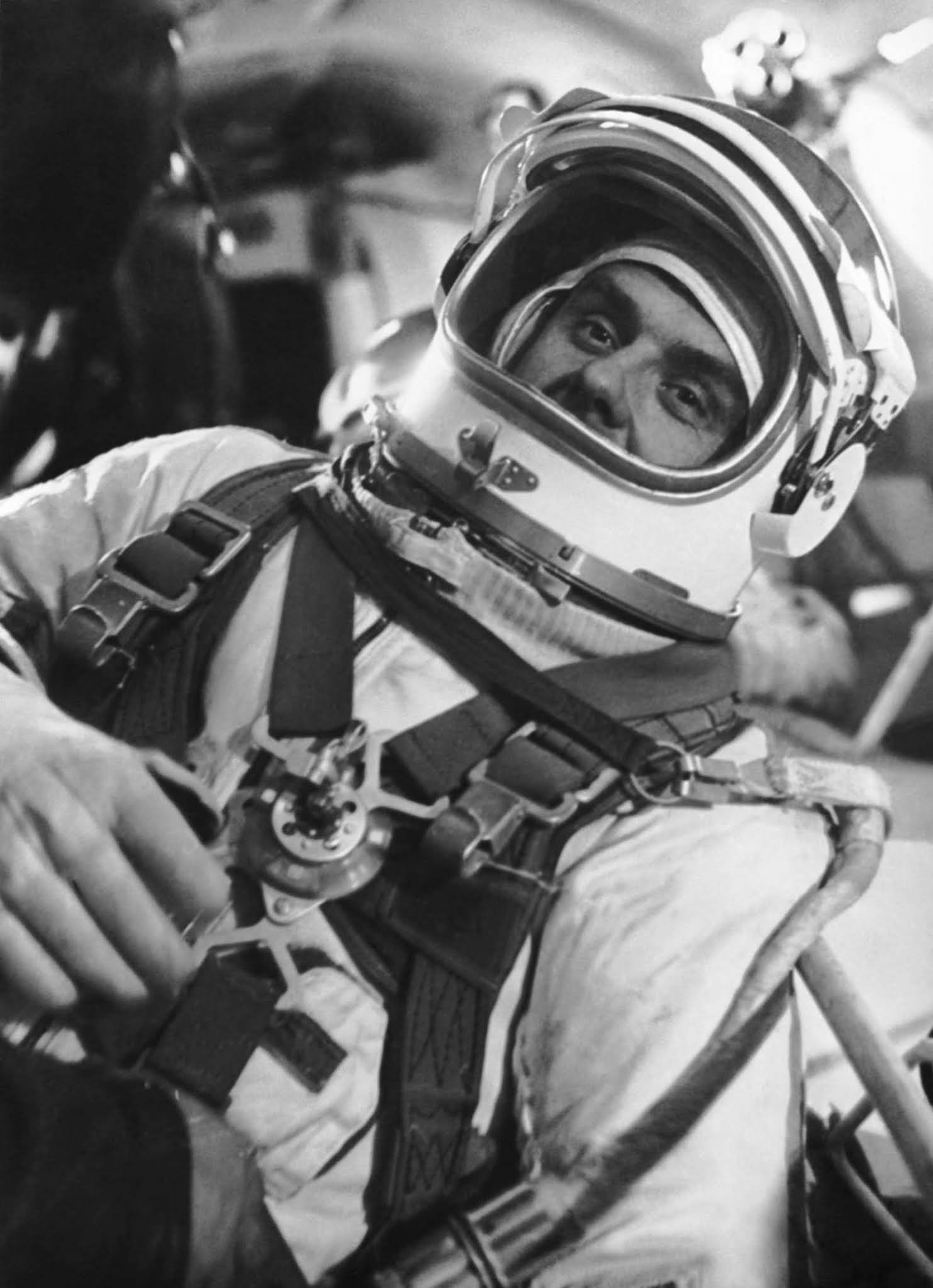
Whether this critical report truly existed remains under debate. Historians like Asif Siddiqi point out the document isn’t found in official Soviet records. Piers Bizony, co-author of Starman, acknowledged in Space News that their book might contain errors and invited corrections.
‘I Won’t Return from This Flight’
Shortly before liftoff, Komarov confided to Russayev: “I’m not going to make it back from this flight.” Russayev asked why he didn’t simply refuse to fly if death seemed certain.
Komarov’s response, preserved in Starman and unchallenged: “If I back out, they’ll send the backup pilot, Yura, who will die in my place. I have to protect him.” According to Russayev, Komarov broke down emotionally during this exchange.
Some space historians have questioned Russayev’s credibility, suggesting he might have exaggerated his involvement. Bizony defended Russayev, asserting his account was plausible and he was a trustworthy source. On launch day, journalist Yaroslav Golovanov noted Gagarin’s unexpected demand for a spacesuit at the pad, which Russayev interpreted as Gagarin trying to replace Komarov on the flight.
26 Hours of Mission Failure
Soyuz 1 lifted off as planned, but complications arose immediately. One of the two solar panels failed to unfold, leading to power shortages and navigation difficulties. The capsule began spinning uncontrollably; manual attempts to stabilize it only worsened the problem. Thermal regulation faltered and communications became sporadic.
Ground controllers cancelled the subsequent Soyuz 2 launch, focusing all efforts on bringing Komarov home. He spent five hours trying untrained methods to stabilize the spacecraft, managing a successful retrorocket burn on his 19th orbit. Entering the atmosphere was survivable.
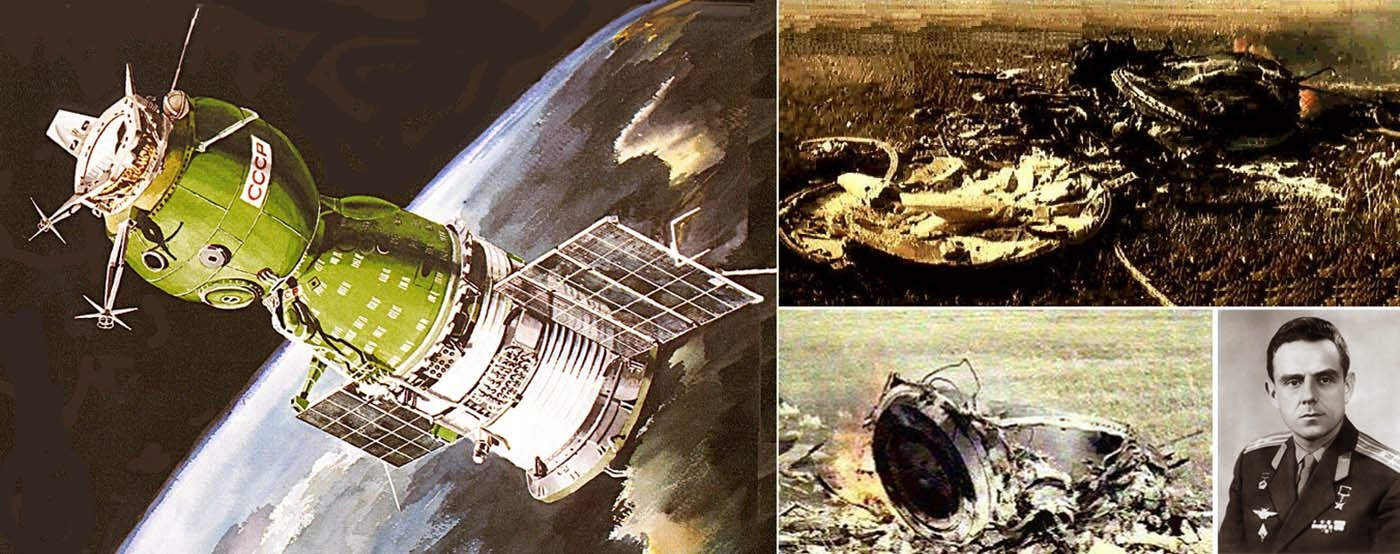
The fatal malfunction happened during reentry. Although the drogue parachute deployed, the main chute was tangled inside its container. The reserve parachute became entangled with the drogue’s lines. Soyuz 1 crashed into the Kazakh steppe near Orenburg at near-terminal speed on April 24, 1967, resulting in destruction and fire. Recovery teams found only fragments, including a chipped heel bone from Komarov.
Final Communications and Aftermath
U.S. listening stations in Turkey recorded Komarov’s last messages. NPR coverage, citing Starman, described him as “crying out in fury” and “cursing those responsible for sending him in the flawed spacecraft.” While no full transcript has been released, these intercepts have appeared consistently across independent sources.
During the capsule’s final descent, Soviet leader Alexei Kosygin contacted Komarov via video link, overcome with emotion. Komarov’s wife joined the call. Kosygin praised him as a hero of the Soviet Union. The full conversation remains unpublished.
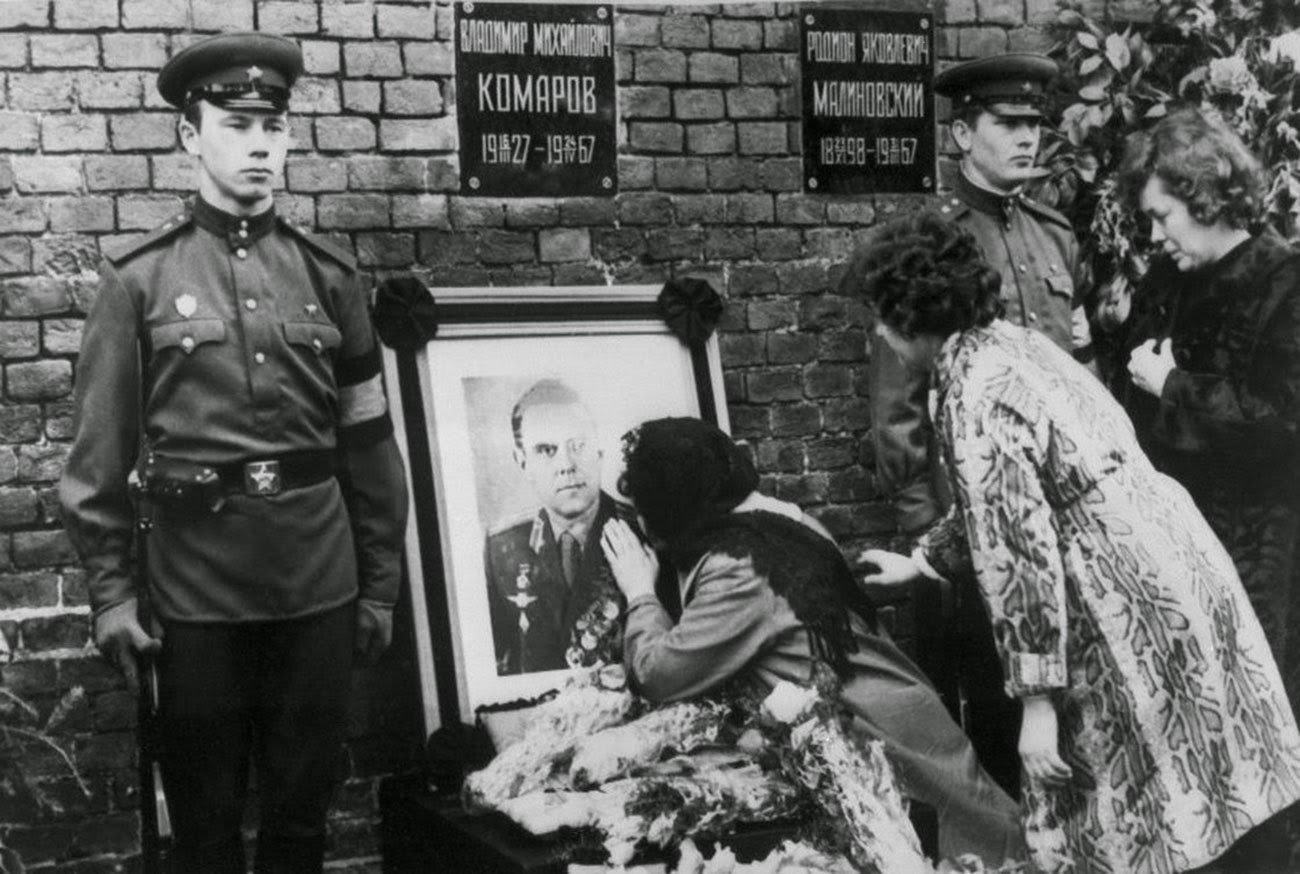
The Soviet government officially blamed the tragedy on a parachute malfunction and did not acknowledge the documented engineering concerns or political pressures influencing the launch decision. Gagarin openly criticized the authorities responsible in a Pravda interview weeks later. He himself perished in a training jet crash in March 1968, less than a year after Komarov.
The Soyuz program was suspended for 18 months and underwent major redesigns. The updated spacecraft became a pillar of Soviet and Russian space missions for decades. Unlike NASA’s response after the Challenger disaster, the Soviets never established an independent inquiry. Komarov was posthumously honored with the Hero of the Soviet Union award for a second time and remains officially recognized as the first person to die during a spaceflight.
- Categories:
- News






0 comments
Sign in to Comment