

Have you ever stopped to consider why your alarm’s snooze button is set specifically to nine minutes instead of a neat ten? This isn’t an arbitrary time frame; it actually dates back to the 1950s and is linked to the design constraints of early mechanical clocks. Far from being a random choice, there’s an intriguing technical story behind why nine minutes became the standard snooze interval.
What prompted clockmakers to settle on nine minutes, and why has this timing endured for decades? The explanation may surprise you!
Why Nine Minutes Instead of Ten? The Surprising Explanation
This peculiar nine-minute snooze period has its roots in historical engineering challenges. When General Electric-Telechron launched the Snooze-Alarm in 1956, the designers had to work around a mechanical limitation. The internal gears simply couldn’t be precisely calibrated to a full ten-minute interval.

Consequently, the developers opted for a nine-minute delay, a practical solution ensuring reliable operation without compromising the alarm’s effectiveness. This design quirk swiftly became an entrenched feature, shaping our mornings ever since.

Why Snoozing Could Be Doing More Harm Than Good
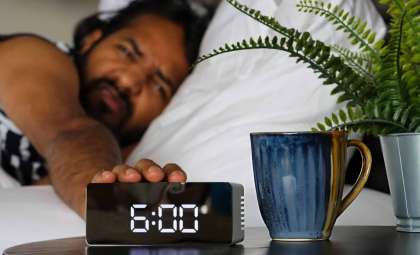
If you’re a habitual user of the snooze button, it might be time to reconsider. Though an extra nine minutes of rest appears appealing, it actually triggers sleep inertia, leaving you groggy and less alert once awake.
Research indicates that frequently using the snooze function disrupts your natural sleep cycles, preventing your brain from entering deeper rest stages, which only intensifies morning sluggishness. In other words, hitting snooze may feel like a short-term win but is detrimental in the long run.
Unveiling the Habit: Why We Struggle to Avoid Snooze
We’ve all been tempted to hit snooze with a promise of “just a few more minutes.” However, experts recommend steering clear of this habit entirely. They suggest following a structured sleep regimen known as the 10-3-2-1-0 rule to break free from the snooze cycle.
This routine involves avoiding caffeine for 10 hours before bedtime, heavy meals 3 hours prior, work-related tasks 2 hours earlier, screen exposure 1 hour before sleep, and crucially, zero snoozes in the morning. Adopting such habits fosters better rest and reduces the need for those extra alarm interruptions.
Despite the Science, the Snooze Button Persists
Even with evidence highlighting its drawbacks, the snooze button remains a persistent habit for many. It could be the brief comfort of dozing in between alarms or an ingrained resistance to waking. Regardless, this iconic nine-minute pause is likely to stick around, though reconsidering its use could greatly improve how you start your day.
Next time you’re tempted to press snooze, remember: Are those extra minutes really helping, or are they just prolonging your morning grogginess?
- Categories:
- Health











0 comments
Sign in to Comment