
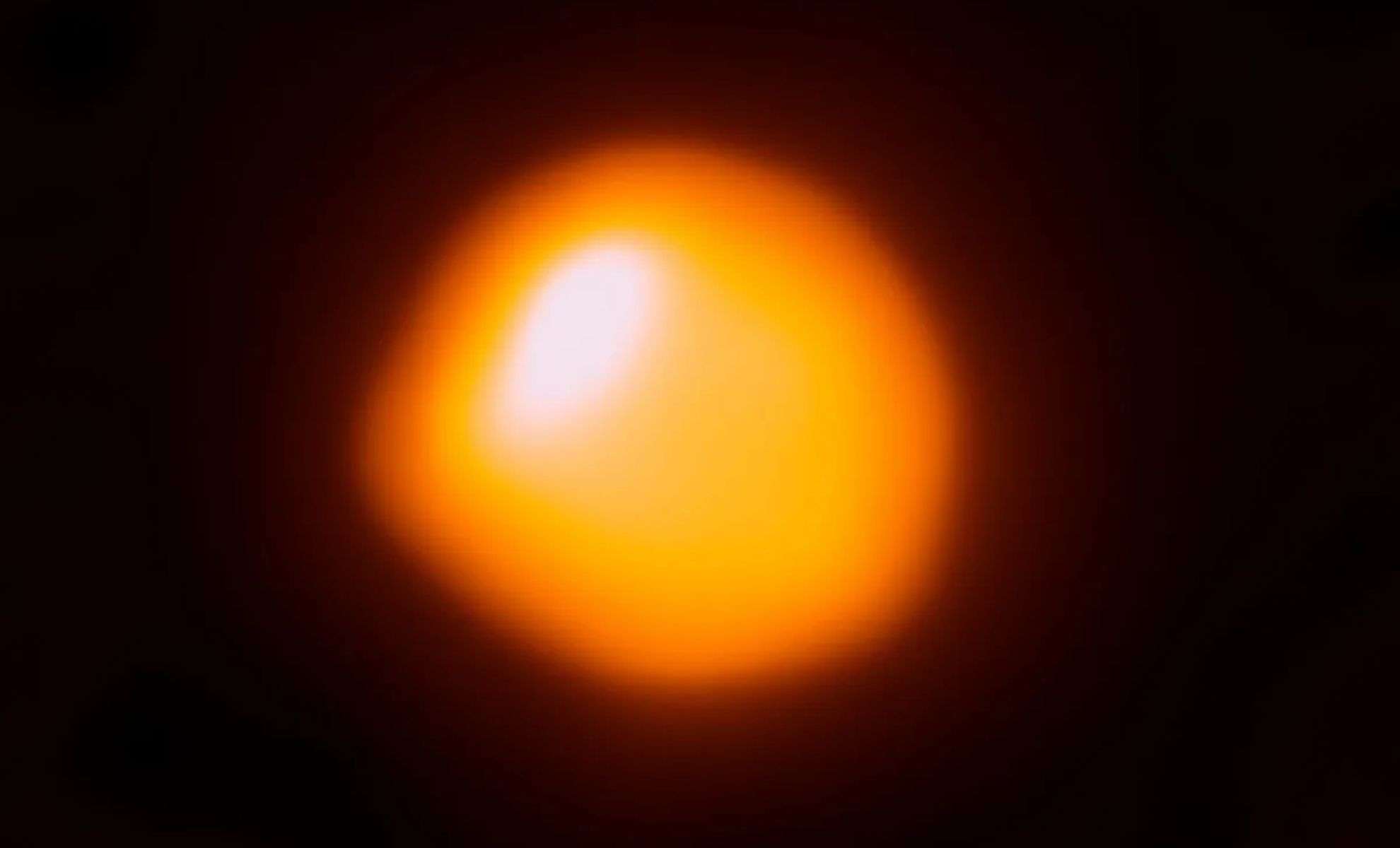
Utilizing the unparalleled capabilities of the James Webb Space Telescope (JWST), researchers have achieved an unprecedented feat: observing a red supergiant star prior to its explosive demise. This breakthrough, reported in The Astrophysical Journal Letters, focuses on SN2025pht, a newly identified supernova within the spiral galaxy NGC 1637, located approximately 40 million light-years from our solar system.
Capturing a Star's Final Moments
Supernovae are notoriously difficult to study in real time, as detections typically occur post-explosion, requiring astronomers to infer prior conditions from remnants. In the case of SN2025pht, however, scientists managed to observe the star before it disappeared.
This was made possible by JWST’s exceptional mid-infrared sensitivity, which allows it to peer through the dense dust that usually obscures aging stars. By comparing archival images from Hubble with the fresh data captured by JWST, the research team identified the star both in its living state and after its explosive end.

The star was intrinsically roughly 100,000 times more luminous than our Sun, but dense surrounding dust dimmed its visible brightness by a factor of 100, complicating detection with traditional optical instruments. JWST’s infrared vision effectively cut through this veil.
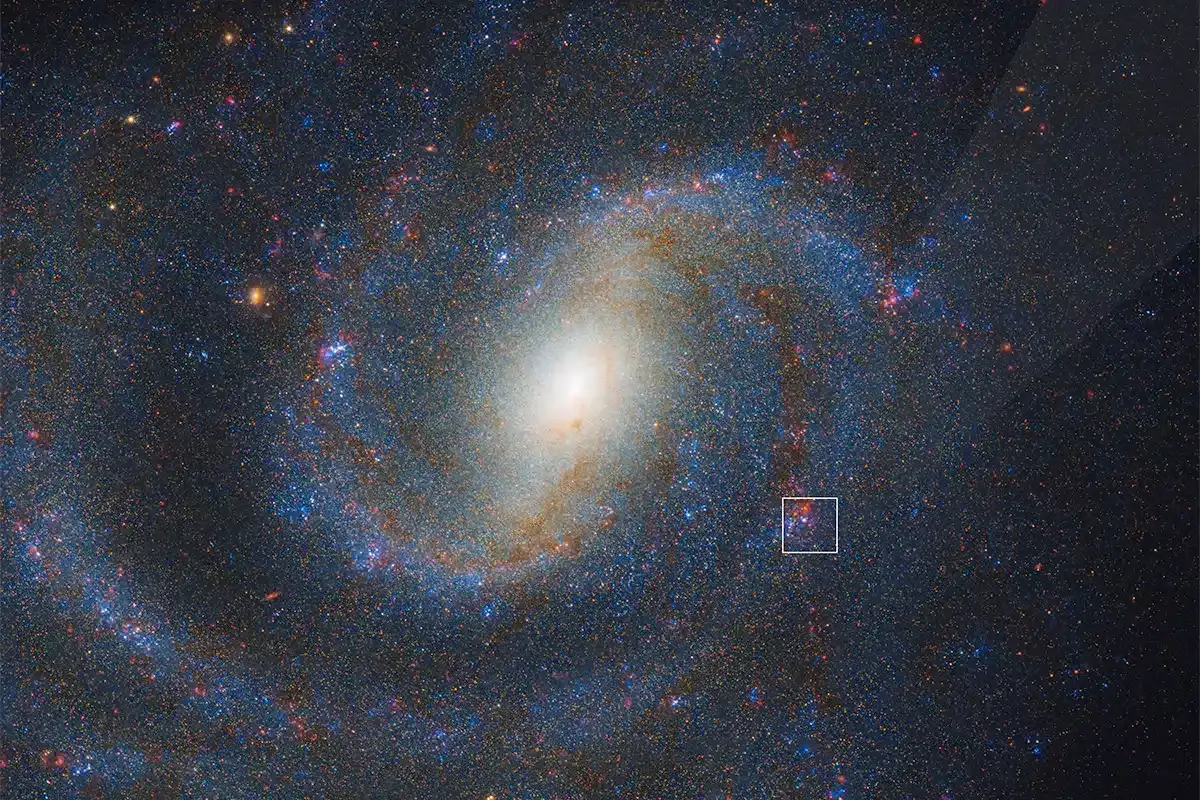
The Most Dust-Enshrouded Red Supergiant Yet Detected
Led by Charlie Kilpatrick and Aswin Suresh from Northwestern University, the team revealed that this particular red supergiant was the reddest and dustiest of its kind ever witnessed at the moment of explosion. Its deep red tint results from dust absorbing and dispersing the star’s shorter, blue wavelengths.
This observation provides key support for a long-held hypothesis in stellar science: some red supergiant stars do undergo supernova explosions but remain concealed behind extensive cosmic dust. Despite being prime candidates for core-collapse supernovae, these stars rarely seem to burst visibly, puzzling astronomers for years.
The mystery likely stemmed from dust obscuration imperceptible to earlier technologies, now unveiled by JWST’s infrared capability. Kilpatrick summarized the milestone by stating:
“Only now, with JWST, do we finally have the quality of data and infrared observations that allow us to say precisely the exact type of red supergiant that exploded and what its immediate environment looked like.”
Astronomers using the James Webb Space Telescope (JWST) have identified a red supergiant star, hidden by thick dust, just before its supernova explosion in June 2025. Located in galaxy NGC 1637, 40 million light-years away, it's catalogued as SN2025pht.The star was nearly… pic.twitter.com/pDiAsyAgIV
— Black Hole (@konstructivizm) October 13, 2025
A Leap Forward in Understanding Star Death
The first observation of SN2025pht was recorded on June 29, 2025, by the All-Sky Automated Survey for Supernovae. Combining this alert with data from both JWST and Hubble, astronomers reconstructed the final life stages of the red supergiant.
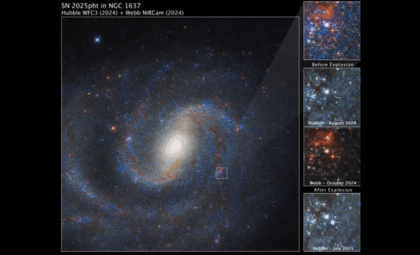
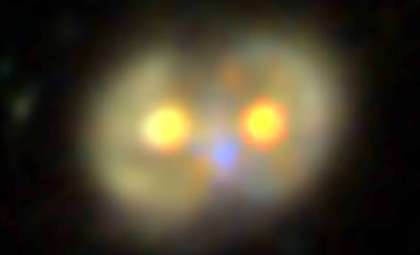
Side-by-side imagery vividly showcases the star’s disappearance following the explosion, confirming it as the origin of the supernova. Kilpatrick highlighted how this marks a transformative moment in supernova investigation.
“We’ve been waiting for this to happen – for a supernova to explode in a galaxy that JWST had already observed,” he said. The ability to compare before-and-after images of a supernova in such detail has never been available until now.
This breakthrough suggests that many massive stars shrouded in dense dust clouds could have had their supernovae underestimated in brightness across past observations, refining our understanding of stellar deaths.


0 comments
Sign in to Comment