

Scientists at Indiana University have identified an unexpected link between emoji usage in messaging and an individual’s emotional intelligence. Involving 320 adult participants primarily in their 30s, the research revealed that people who frequently incorporate emojis in their texts tend to perform better on emotional intelligence assessments than those who rarely use them. What makes emojis so significant in understanding emotional skills and empathy?
Exploring the Relationship Between Emojis and Emotional Insight
The investigation carried out at Indiana University in Bloomington, Indiana broke new ground by examining how digital communication styles relate to emotional understanding. The findings suggest that regular emoji users not only have enhanced awareness of their own feelings but also exhibit stronger empathic abilities towards others’ emotions.
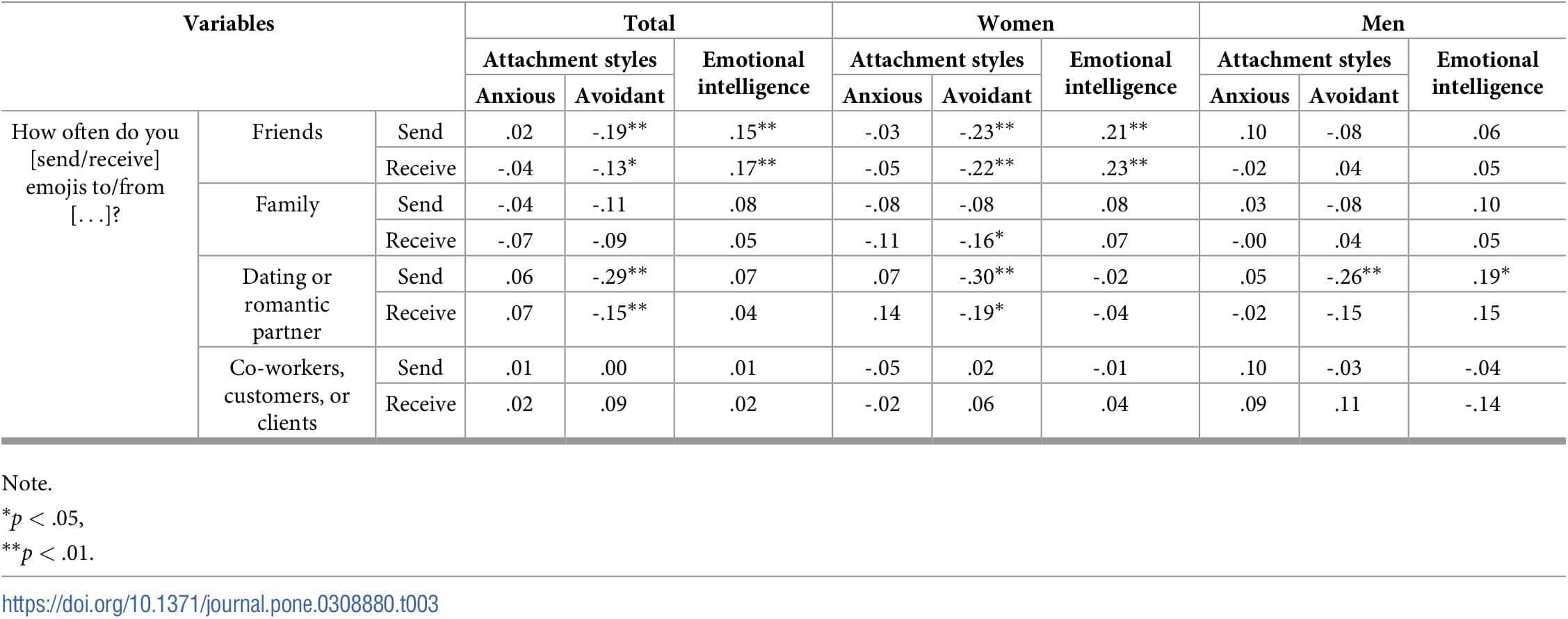
Participants reported their emoji habits, emotional intelligence levels, and attachment styles, which describe how they emotionally connect with others. The data demonstrated that frequent emoji users showed superior skills in managing their emotions and interpreting the feelings of those around them.

Insights Your Emoji Usage Offers About Your Emotional World
While many see emojis as a playful element of texting, they actually provide valuable information about emotional expression. Emojis allow for the communication of nuanced feelings that words alone may struggle to convey. In today’s era of often brief, impersonal exchanges, emojis serve to strengthen the emotional bond between individuals.
Those who frequently deploy emojis are typically more attuned to their own emotions and more proficient at perceiving others’ feelings. This improved emotional communication could be a reflection of elevated emotional intelligence, fostering greater empathy and genuine concern in interpersonal relationships.
Crucial Discoveries Highlighted in the Research
The study conveyed important correlations pertaining to emoji frequency and emotional intelligence:
- People who regularly use emojis demonstrate:
- Enhanced emotional regulation.
- Greater empathy during social interactions.
- A heightened ability to detect and respond to others’ emotions.
- Individuals who seldom use emojis often:
- Show characteristics of an avoidant attachment style.
- Favor emotional self-sufficiency over close emotional ties.
- Are less expressive when sharing feelings.
Such trends imply that the decision to use emojis might subtly reveal how a person experiences and manages emotional information.
What Explains Low Emoji Usage?
The research indicates that those who seldom include emojis in their messages may be inclined toward an avoidant attachment style, often characterized by a preference for emotional distance and less comfort with intimacy. People with this style may struggle with vulnerability, making emoji use less natural or desirable as a form of emotional expression.
This doesn’t necessarily reflect a lack of emotional complexity but suggests a different approach to sharing feelings. Minimal emoji use can act as a protective barrier, helping maintain emotional boundaries and keeping communications more detached.
Closing Thoughts: Texting Habits and Emotional Awareness Are Linked
The study reveals that our online messaging behaviors, especially emoji use, extend beyond simple fun—they serve as meaningful indicators of emotional intelligence, highlighting how we experience and interpret emotional states.
So, the next time you add an emoji to your text, consider the emotional message you’re sending. Beyond brightening conversations, emojis might offer a glimpse into how deeply you connect emotionally with others.












0 comments
Sign in to Comment