

Vaccines remain a vital defense against infectious diseases, but emerging research indicates that the arm chosen for your injection can influence how effectively your immune system responds. A recent investigation by scientists at the Garvan Institute of Medical Research and the Kirby Institute at UNSW Sydney sheds new light on how the site of a booster dose impacts immune activation, particularly if it's given in the same arm as the initial vaccination.
Understanding the Impact of Injection Site
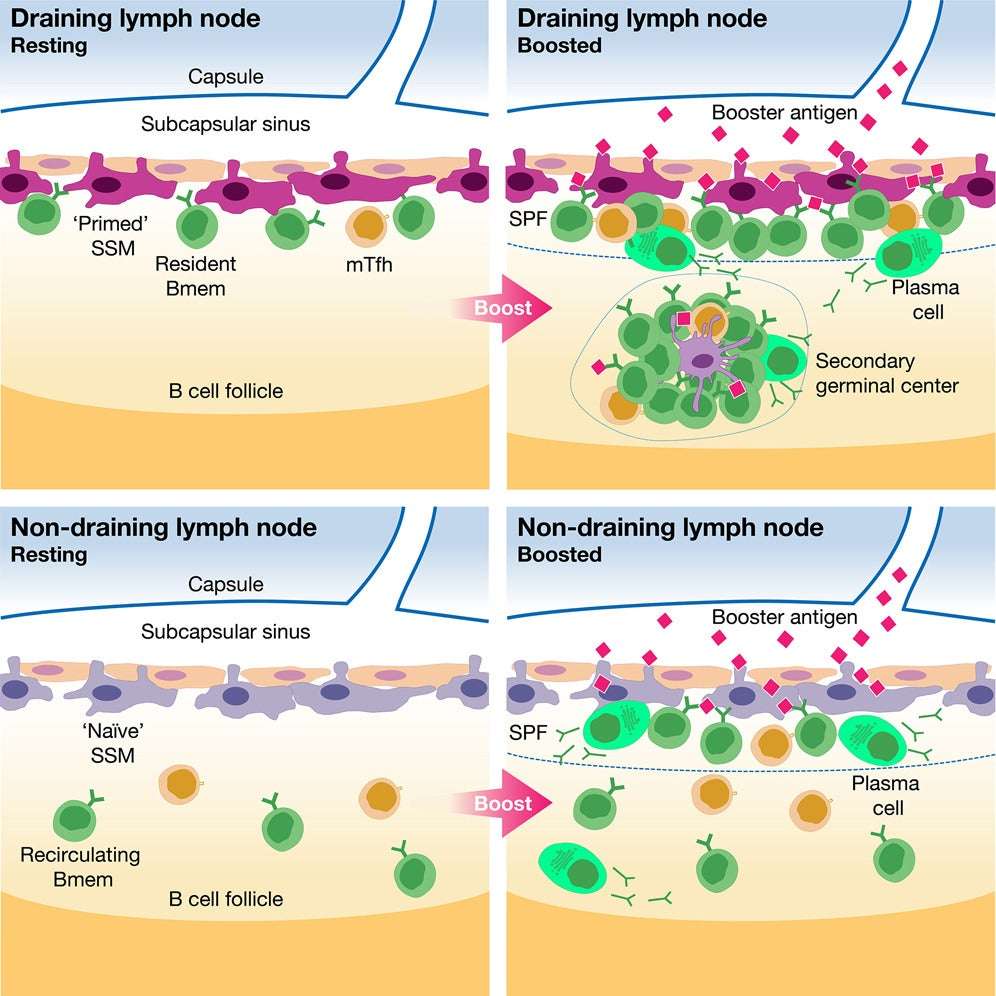
Combining experiments with animal models and human participants, the team analyzed how booster placement affects immunity. Results demonstrate that administering the second dose in the same arm as the first enhances the immune system's response. Their Cell publication highlights the interactions between memory B cells, which remember previous infections, and macrophages, cells that detect and present pathogens to the immune system.
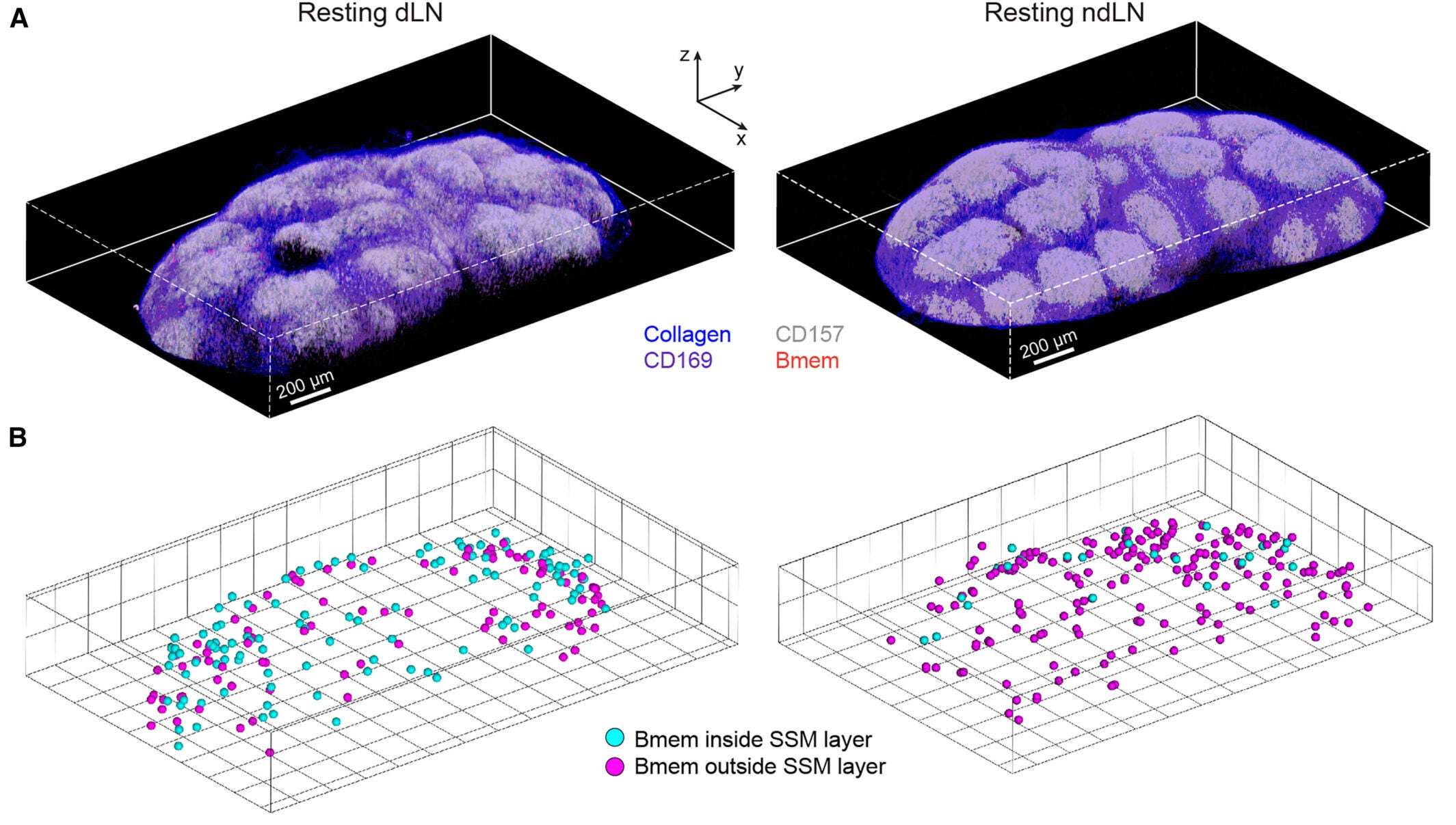
After the initial vaccine dose, the immune system encodes information about the threat to facilitate future defenses. Researchers found that memory B cells tend to linger near the original injection site within lymph nodes, crucial hubs for immune training. When a booster is administered in the same arm, these cells activate more rapidly, suggesting that proximity to this original site optimizes the response.

Dr. Rama Dhenni, one of the study’s lead authors, noted that macrophages in lymph nodes adjacent to where the first vaccine was given become "primed" to stimulate memory B cells faster upon reexposure, enabling a swifter, stronger immune defense.
How Vaccination Shapes Immune Memory
The immune system relies on two key cell types: plasma cells, which produce antibodies to neutralize pathogens, and memory B cells, which preserve infection memories and prime the body for future attacks. These memory cells typically reside close to the original vaccination site, explaining why repeated doses in the same arm can lead to enhanced immunity.
Both in mice and human subjects, the scientists observed that memory B cells concentrated near the initial injection area generate potent antibodies. These cells, housed in lymph nodes, cooperate with macrophages to ramp up immune protection. The findings suggest these memory B cells are not just passive reservoirs; they are primed for rapid and robust activation when re-exposed to the vaccine antigen in the same location.
Dr. Dhenni emphasized, "The macrophages nearest to the injection site remain ‘on alert,’ enabling more effective memory B cell activation upon encountering the antigen again."
Quicker Immunity and Enhanced Protection
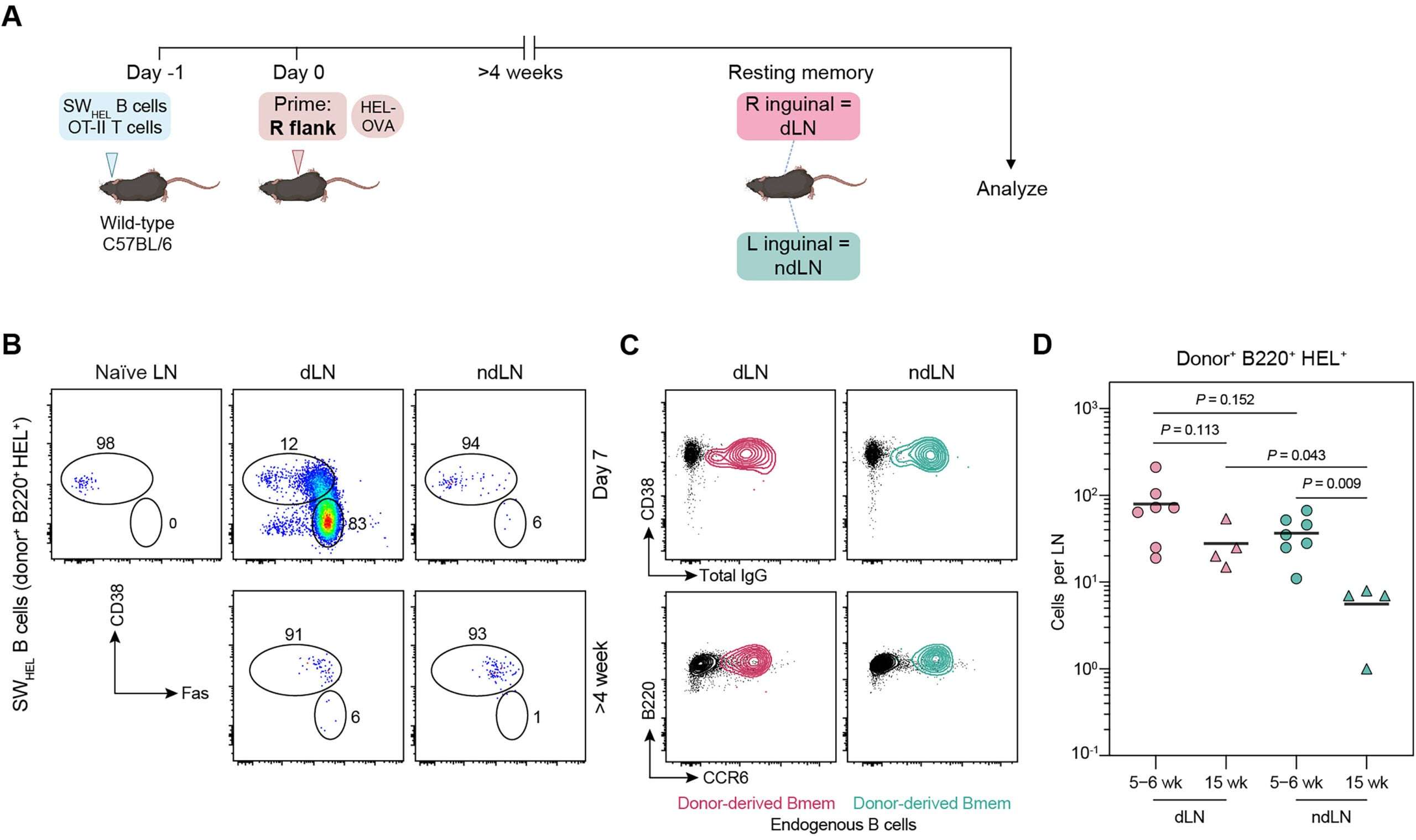
A clinical trial involving 30 adults vaccinated with the Pfizer-BioNTech COVID-19 mRNA vaccine further supported these insights. Participants who received their booster dose in the same arm as the initial shot demonstrated considerably faster immune responses compared to those boosted in the opposite arm.
Within the first week after their second vaccination, individuals with same-arm boosters showed stronger production of neutralizing antibodies against SARS-CoV-2. Moreover, these antibodies offered improved defense against key variants like Delta and Omicron.
While both groups reached comparable antibody levels by four weeks, the accelerated immune activation in the same-arm cohort may provide critical advantages during rapid viral outbreaks. "Rapid response times are essential for battling fast-mutating viruses," remarked co-senior author Dr. Mee Ling Munier.
Implications for Future Vaccination Approaches
These findings hold promise for refining immunization strategies, especially against swiftly evolving pathogens like COVID-19 and influenza. Administering booster shots in the same arm may improve early immune activation and foster more adaptive defenses, potentially accelerating herd immunity and reducing the frequency of booster administrations.
Though focused on the Pfizer-BioNTech vaccine, the researchers believe these principles could apply broadly across vaccine platforms. This could pave the way for vaccine designs that harness the body's inherent immune memory to increase efficacy and durability.
Professor Tri Phan, leading the Precision Immunology Program at Garvan Institute, remarked, "This is a system nature evolved, and we're only now starting to unravel its intricacies." By tapping into these natural immune pathways, future vaccines may offer longer-lasting protection with fewer doses, valuable in managing pandemics and emergent health crises.
- Categories:
- Science










0 comments
Sign in to Comment