

A remarkable instance of a young woman experiencing sudden and unexplained breast enlargement after receiving the Pfizer COVID-19 vaccine has captivated both healthcare professionals and online communities. Termed the “Pfizer boob job,” this occurrence raises questions about potential vaccine side effects impacting breast tissue.
From Modest to Massive: The Unprecedented Growth
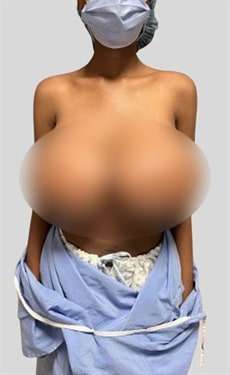
The case involves a 19-year-old American woman whose breast size escalated dramatically from a B-cup to a triple-G within just six months. This transformation began approximately one week after her initial dose of the Pfizer/BioNTech mRNA COVID-19 vaccine. Following her second injection, she experienced worsening symptoms, including sensations of tingling and pronounced breast swelling.
After thorough medical investigations at several facilities, common causes such as hormonal imbalances, pregnancy, or medication were ruled out. Ultimately, she underwent bilateral breast reduction surgery at a prominent plastic surgery center.

Medical Insights: Findings from Surgery
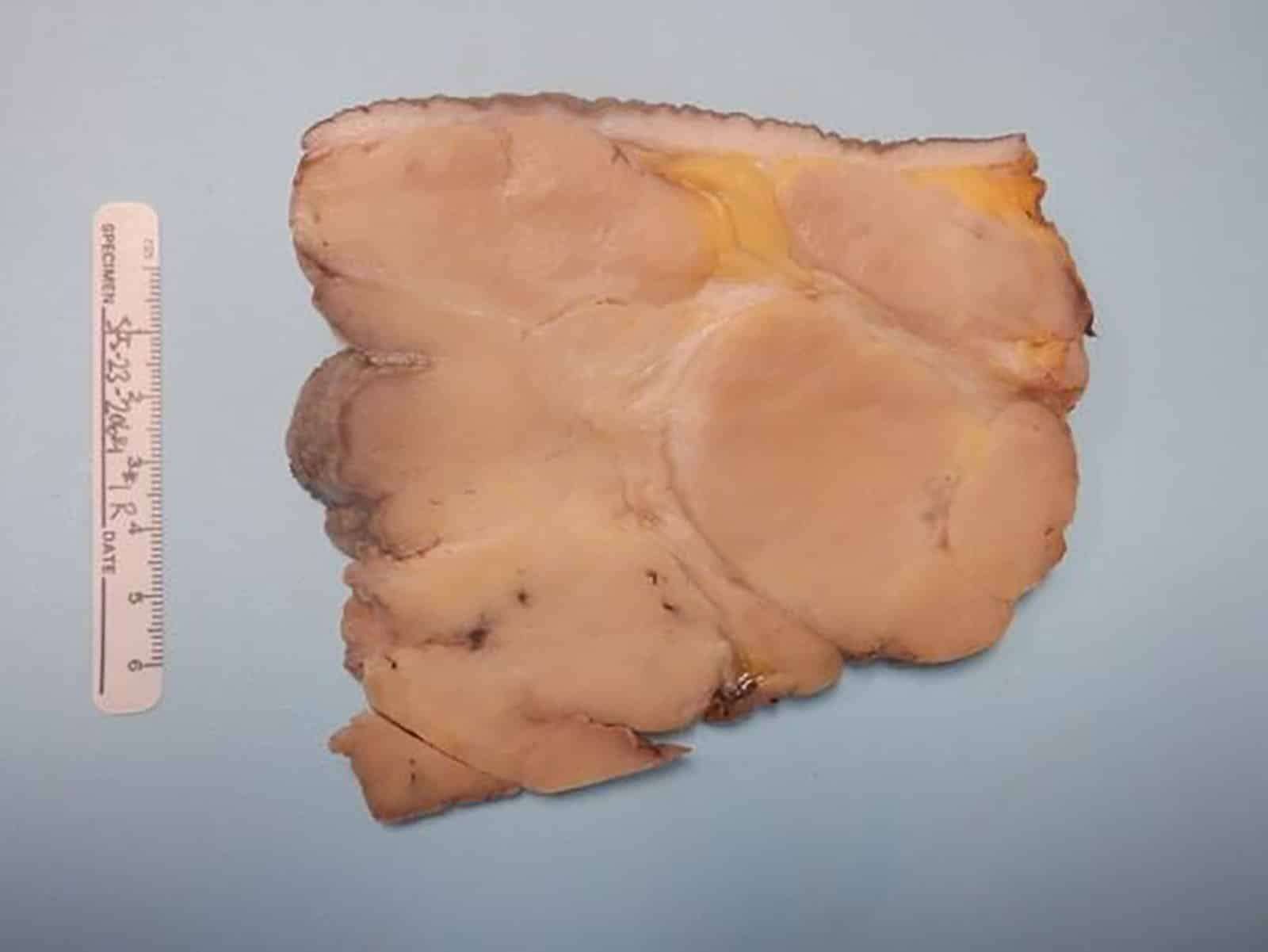
During the Wise pattern reduction mammoplasty, surgeons excised almost 3.6 kilograms (7.9 pounds) of breast tissue. Pathology identified pseudoangiomatous stromal hyperplasia (PASH), a rare benign breast condition marked by abnormal fibrous tissue growth sensitive to hormones.
Globally, PASH-associated gigantomastia is extremely uncommon, with fewer than 20 recorded cases, making this especially notable. The breast tissue's heightened blood vessel presence complicated the procedure and led to considerable blood loss.
Key Clinical Observations:
- Imaging studies: Ultrasounds and CT scans revealed widespread breast enlargement with axillary lymph node swelling, but no tumors were detected.
- Histopathology: Presence of dense glandular structures intermixed with PASH tissue, indicative of the diagnosis.
Vaccine Link or Mere Coincidence?
Experts, including the operating surgeons, stress that no causal relationship has been proven between the vaccination and the extraordinary breast enlargement. While axillary lymphadenopathy is a documented but typically fleeting side effect of COVID-19 vaccines, it is unlikely to result in permanent tissue growth.
Addressing online rumors, the New Zealand Ministry of Health stated: “There is no scientific evidence to support the assertion that COVID-19 vaccines cause breast enlargement.” Nonetheless, researchers acknowledge the importance of investigating rare, potentially vaccine-related cases.
The table below outlines various factors considered relevant in the development of gigantomastia:
Patient Experience: Challenges Within Healthcare
The woman encountered significant obstacles in receiving adequate medical attention. Initially, primary healthcare providers dismissed her symptoms, causing frustration. Only after specialist consultations and failed medication therapies did her condition receive serious consideration. Her story highlights an ongoing issue in medicine—the breakdown of trust when patient concerns are overlooked.
As stated by the authors of the case report, “Dismissing patient concerns can erode trust. Physicians should consider and value patient concerns when developing therapeutic relationships.”
Broader Implications of the Case
This isolated but extraordinary occurrence has drawn global interest, emphasizing the need for further research into the causes of PASH and any possible association with COVID-19 vaccines. It also underscores the critical role of patient-focused care and rigorous scientific investigation when confronted with novel medical findings.
At present, the “Pfizer boob job” remains a mysterious clinical curiosity that continues to puzzle the medical world.
Source: journals.lww.com
- Categories:
- Science










0 comments
Sign in to Comment