
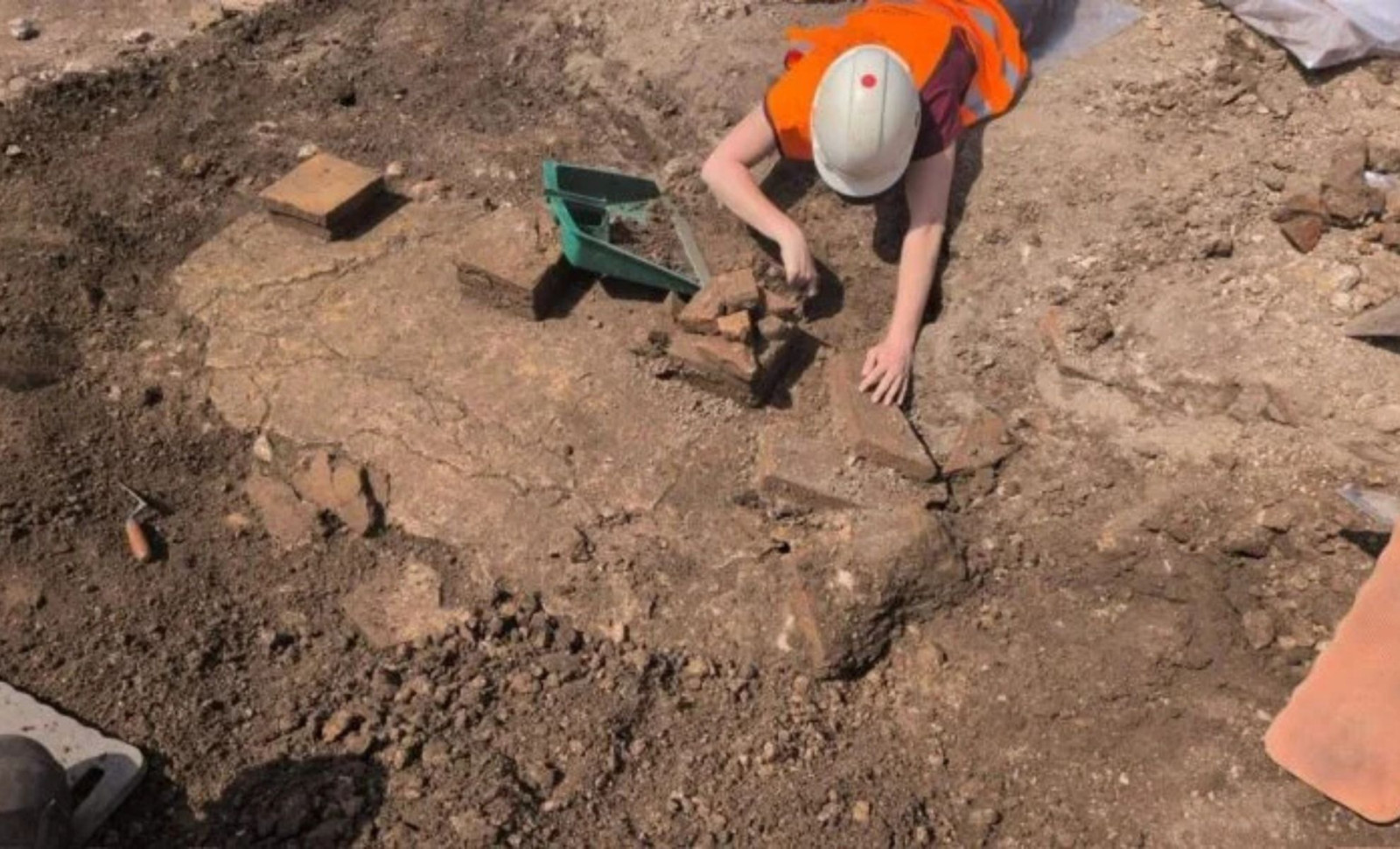
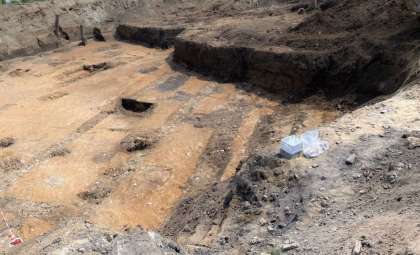
During archaeological digs at a construction zone in Nijmegen-West, researchers have uncovered remains of what appears to be the most extensive Roman bath complex ever discovered in the Netherlands.
But the bathhouse is just one element of the site. Excavations also exposed streets, residential neighborhoods, luxurious villas, a watchtower, and a broad array of everyday items, including ornaments and currency. These discoveries point to a vibrant urban center with a more significant role in the Roman Empire than previously recognized.
This endeavor, led by archaeologists from RAAP and BAAC alongside specialists from Radboud University and the Valkhof Museum, started last September and will continue through July. Researcher Stephan Mols emphasized that the magnitude of the newly found structures firmly establishes the city's importance during Roman times.

An Unprecedented Roman Bath Facility in the Netherlands
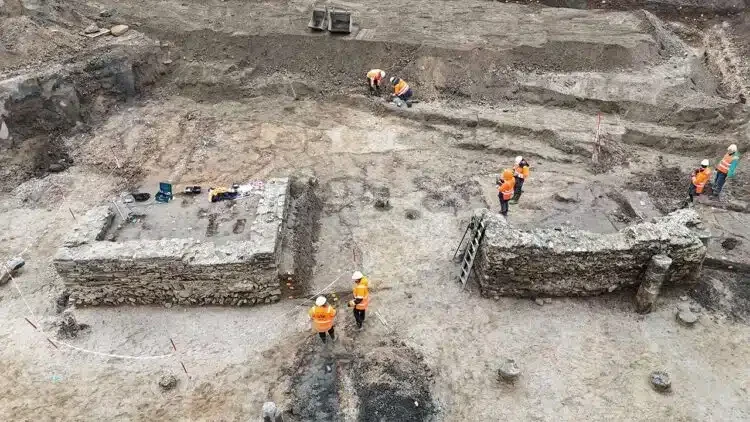
Far beyond mere hygiene, Roman baths acted as communal meeting spots for socializing and leisure. In Nijmegen, archaeologists have now delineated a facility spanning at least 4,900 square meters (52,700 square feet), making it the largest Roman bath discovered within the country.
A Radboud University press release states that the complex almost doubles the size of the earlier uncovered bathhouses near The Hague's Forum Hadriani, measuring roughly 2,200 square meters, and Coriovallum in Heerlen with around 2,500 square meters.
A fragment of the structure had surfaced in 1992, yet only a limited segment was examined at that time. The recent digs have exposed the true scale of this monumental facility.
“A bathhouse was an integral part of a Roman town,” Stephan Mols,an archaeologist at Radboud University explained. “During the excavations, we see only the lower parts of the buildings, often the foundations or sometimes just the spot where they once stood.”
These remnants indicate that the complex was once a formidable and impressive edifice.
An Entire Roman Quarter Comes Into View
The excavation uncovered a full urban district’s layout. Besides the bathhouse, archaeologists found housing blocks delineated by streets, upscale townhomes, and a tower structure.
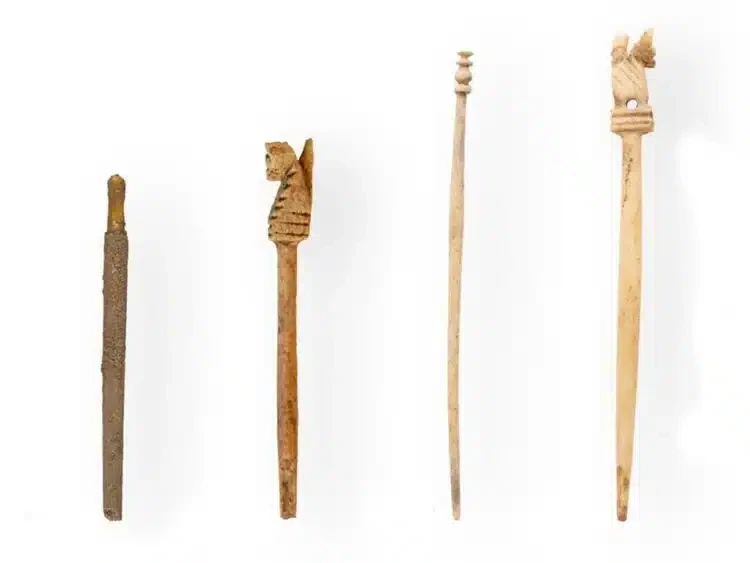
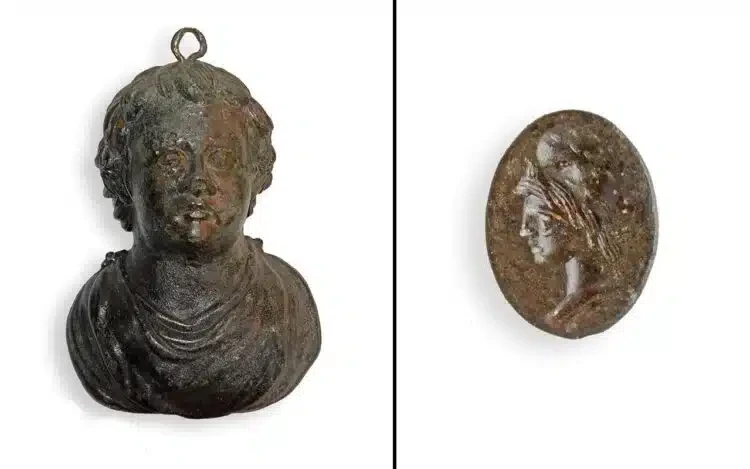
The site has yielded numerous smaller artifacts that enrich our understanding of daily life in the ancient city. Among the objects unearthed were hairpins, jewelry pieces, coins, and a bronze head sculpture of Bacchus, the Roman god of wine.
Researchers estimate the settlement was granted city privileges by Emperor Marcus Ulpius Trajanus around 100 AD. Shortly thereafter, prominent public structures made of natural stone, including the bath complex, were erected. For Mols, these discoveries confirm Nijmegen’s significant status during Roman times.
“The new finds show that the Romans did not regard this city as a backwater,” he said.
Roman Engineering and Opulence on Display
Findings highlight the extensive resources funneled into the city’s architecture. Excavators discovered traces of costly materials such as marble, limestone, and sandstone.
Many once-standing walls vanished over time, notably as the site was used as a stone quarry during medieval and subsequent times to supply building materials elsewhere. Nevertheless, key infrastructural elements remain preserved underground.
Among the best-kept features are drainage systems and flooring parts connected to a hypocaust, the traditional Roman underfloor heating method. Experts exposed a concrete platform upheld by tiny brick columns, essential to this heating technology for the bathhouse rooms.
Mols and his team are eager to delve deeper into these ancient engineering masterpieces. He also pointed out:
“We can still learn a thing or two from that today. The same applies to the mortar—Roman concrete—which was self-healing: If it cracked, it could repair itself. Knowledge of this is also very useful for scientific research into self-healing materials.”
- Categories:
- News






0 comments
Sign in to Comment