
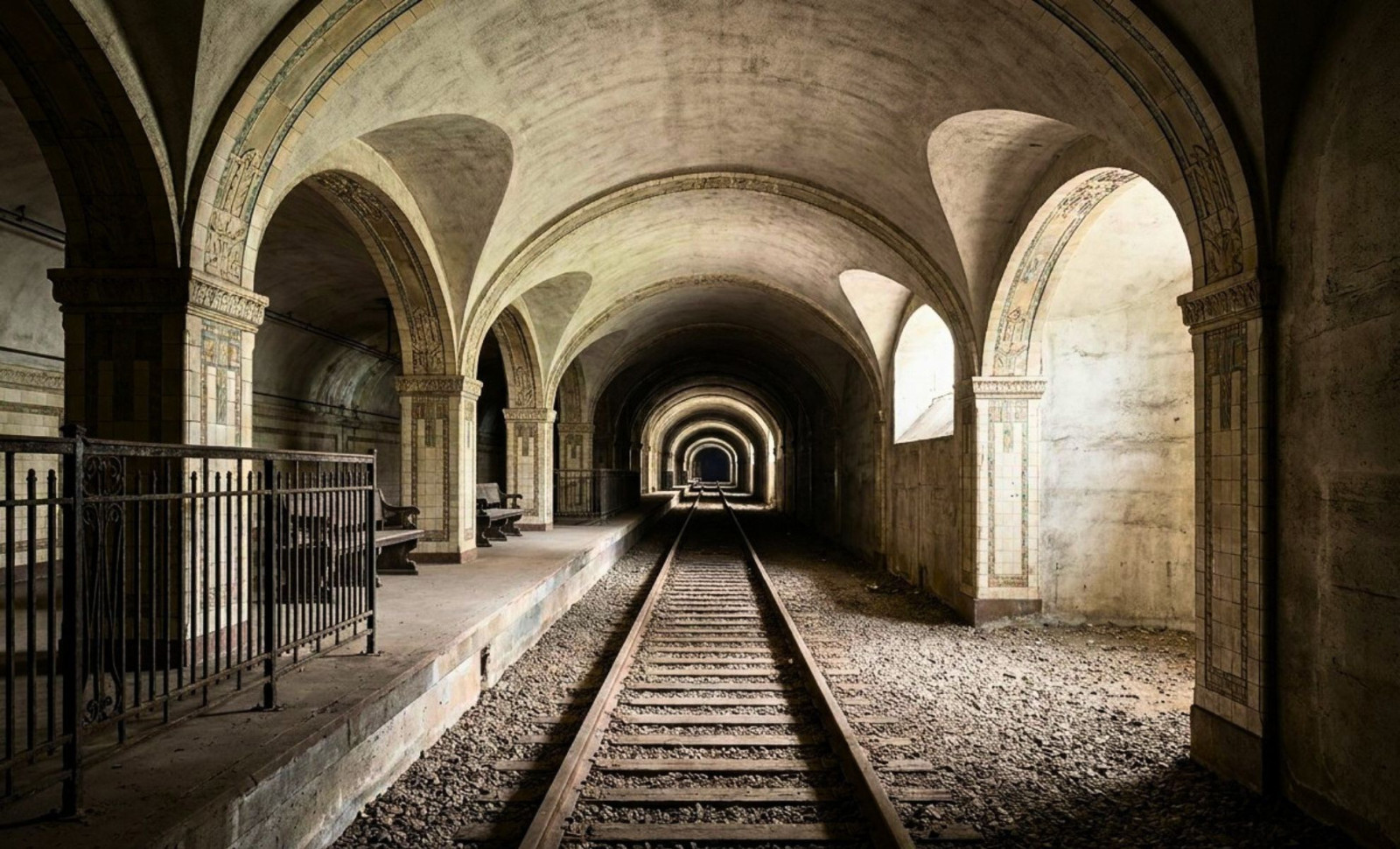
Hidden beneath Central Parkway in Cincinnati, Ohio, a network of subway tunnels stretches for over two miles beneath a busy thoroughfare. This unique underground structure stands out as the only subway system ever constructed yet never opened to passengers. Platforms remain intact, wooden track supports are still fastened to the tunnel floors, and stations await visitors that never arrived. Throughout its history, no train has ever navigated these corridors.
The tale of the Cincinnati Subway involves more than simple municipal oversight. It reflects a mix of unfortunate timing, wartime economic challenges, political battles, and the rise of the personal automobile. Once a major American city, Cincinnati invested heavily in this underground public transit project but abandoned it before completing any tracks. Even after more than 100 years, there’s still hope that these dormant tunnels could find new life.
From Canal to Subway: Transforming a Waterway
The concept originated with the Miami and Erie Canal, which historically transported people and goods across Ohio. By the 1880s, railroads had overtaken canals for transportation, causing the canal to fall into disuse and pollution. City leaders seized the chance to drain this neglected canal and repurpose its path into an underground subway beneath the street above.

In March 1912, officials enlisted a Chicago transit expert who proposed a 16-mile subway loop estimated initially to cost $12 million, later reduced to $6 million. In 1916, over 80% of Cincinnati voters approved funding through bonds. However, construction only commenced in January 1920 after World War I, by which time inflation had forced plans to shrink the route from 16 to 11 miles.
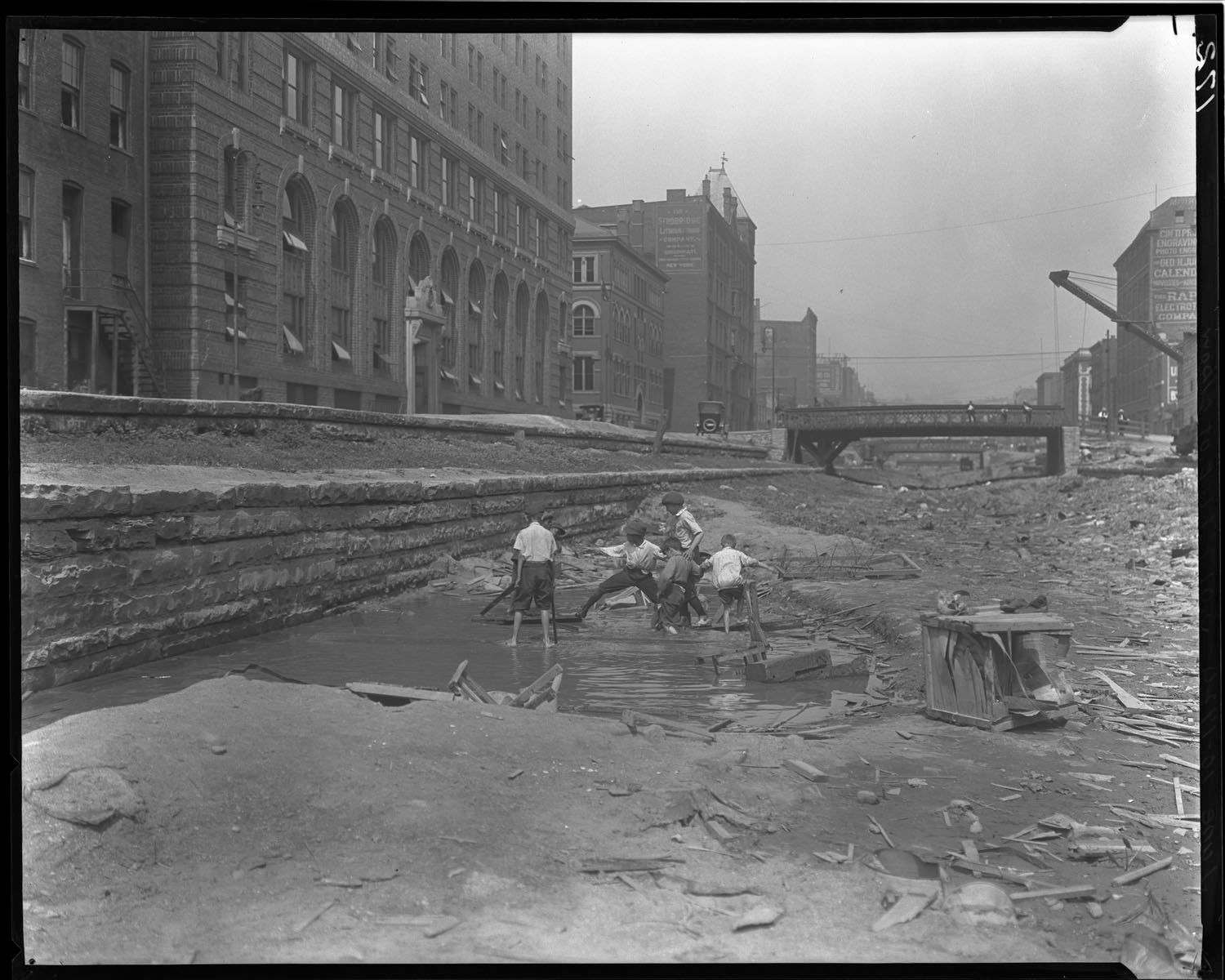
By 1923, the two-mile underground stretch was finished, and much of the aboveground work was nearing completion by 1927. Yet funds for installing tracks and vital linkages ran dry. The subway infrastructure was physically present but lacked the necessary components to transport any passengers.
Economic Pressures and Automobiles Doom the Subway
Complete network construction was projected to require another $9 to $10 million—almost twice the original budget. The new mayor elected in 1926 declined further bond issues and dismissed the subway as a legacy initiative of prior administrations. The Rapid Transit Commission failed to find private investors, and popular support waned significantly compared to the enthusiastic approval seen a decade earlier.
The burgeoning automobile market also accelerated the subway’s decline. Initially, only a small percentage of residents owned cars in 1910, but as ownership soared, skepticism about fixed rail transit grew. The abandoned project earned the nickname “Cincinnati’s White Elephant.” Increasing highway development and widespread car use made political backing for an underground system nearly impossible.
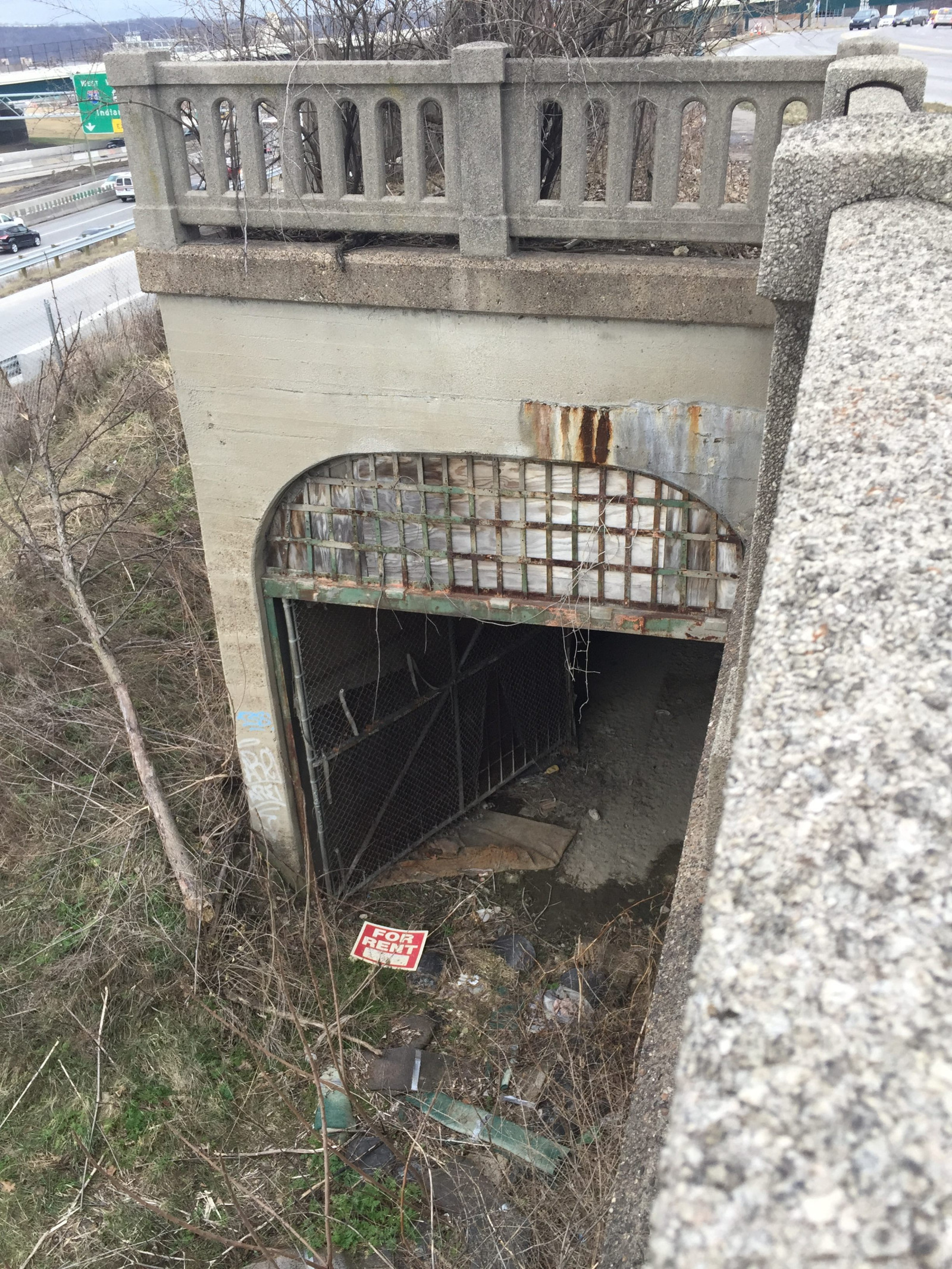
Any hope faded completely with the 1929 stock market crash, leading to the Rapid Transit Commission’s dissolution. Central Parkway, constructed directly above the tunnels, opened to traffic in October 1928 and symbolized the practical preference for road transport. The street serves as a daily reminder of the unrealized subway ambitions.
Repeated Attempts to Revive or Repurpose the Tunnels
The tunnels, about 13 feet wide and 15.5 feet tall, still contain wooden supports bolted to the floor intended to hold rails that were never installed. Despite decades of inactivity, engineers have determined that the structure remains sound and could stay viable for the foreseeable future.
Various ideas surfaced through the years. In 1936, officials proposed using the tunnels for trolley cars, but their length prevented smooth navigation. The 1960s brought suggestions to convert the space into a government fallout shelter. In 1969, a local church sought to hold a 500-person candlelit event underground but was hindered by insurance obstacles. Other creative proposals included grain storage, nightlife venues, wine cellars, and even a filming location for Batman Forever. None advanced beyond preliminary stages.
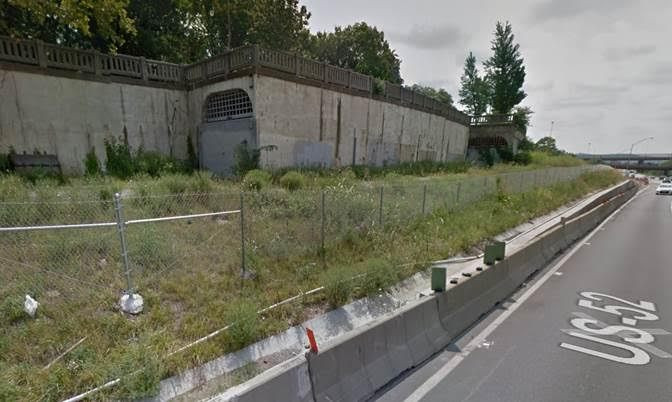
In 2002, the MetroMoves regional light rail plan aimed to integrate the tunnels into a new transit system. The proposal required a modest sales tax hike but was rejected by 68% of voters. Ohio later classified the tunnels as confined spaces, limiting their commercial potential. Currently, the space is used only for containing a water main and fiber-optic cables.
The Legacy Beneath Central Parkway Today
Three stations remain underground at Race Street, Liberty Street, and Brighton’s Corner. While six stations were originally constructed, no passengers ever traveled between any of them. Surface-level structures were demolished to build Interstate 75, erasing much of what existed above ground.
Filling the subway tunnels entirely is estimated to cost around $19 million. Restoring and repurposing them as transit paths would demand investments in the tens or hundreds of millions, coupled with a complete redesign of the original loop concept. Recently, the city solicited public ideas for reuse, with suggestions ranging from bathhouses to speakeasies, but no definitive plans have been set in motion. Since a 2015 safety review, tours have been suspended, and access is restricted to utility personnel.
- Categories:
- News









0 comments
Sign in to Comment