
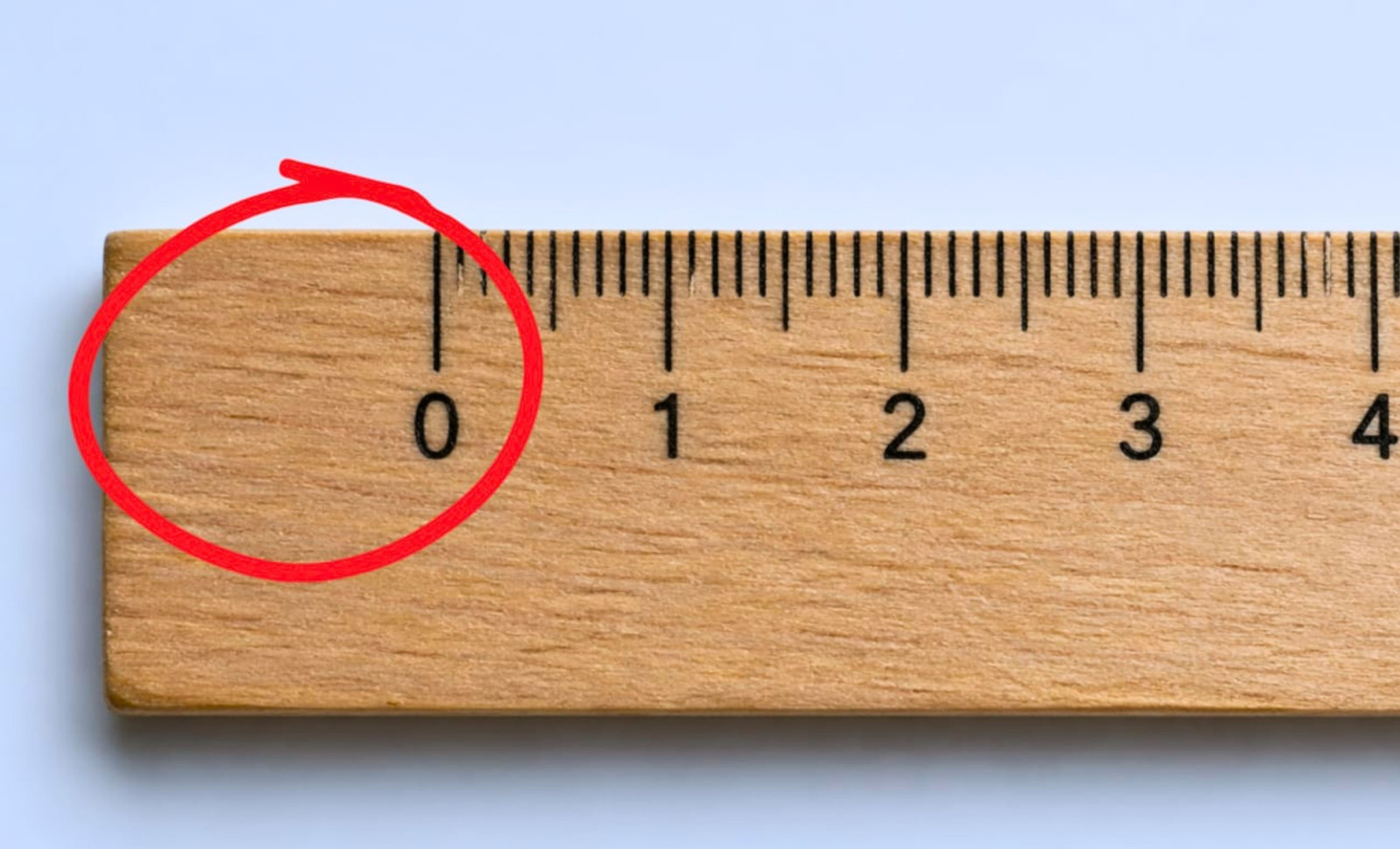
A recent social media post prompted thousands to take a closer look at their rulers, perhaps for the first time in years. On April 16, 2026, an X user named @UlisesDavid__ shared a photo of a common ruler and asked, "Does anyone know why there’s that space before the 0?"
The image revealed an everyday object feature many had likely overlooked: a small empty margin, about a centimeter wide, before the ruler’s numbered measurements begin. This blank area isn’t a manufacturing flaw, nor does it serve any obvious measuring purpose. So what’s its real function?
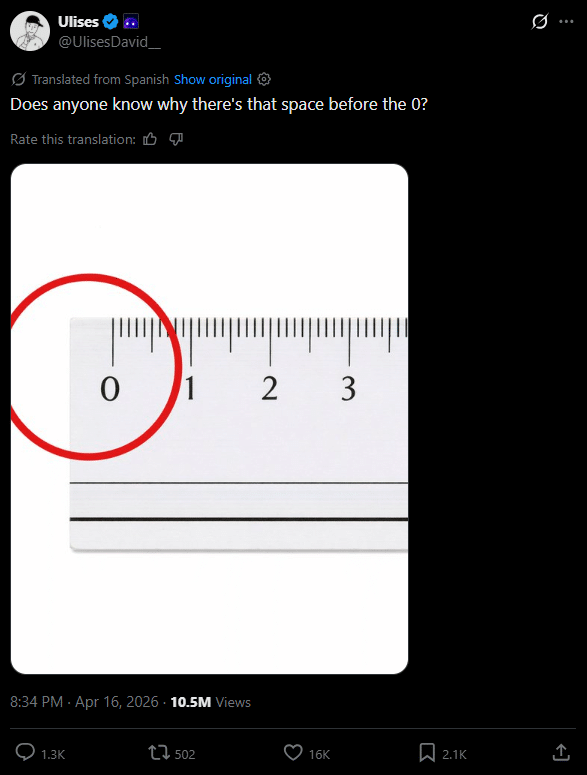
Responses ranged from humorous to imaginative. Some joked that the space exists “so the zero isn’t cut in half,” others mused it might be reserved for a hypothetical “-1” mark. One created a fictional story about a 19th-century engineer named Friedrich Krutz. Yet despite many guesses, no one seemed to know the definitive explanation, turning the mystery itself into a talking point.

Space Serves as a Buffer Against Edge Wear
The real reason is straightforward and practical: edges deteriorate over time. The tip of a ruler frequently encounters rough treatment—scraping inside pencil cases, dropping onto floors, and banging against desk edges. If the zero mark were placed right at this vulnerable point, any chipping or damage would shift the starting measurement, causing consistent errors. Losing just a fraction of a millimeter at the edge translates directly into measurement inaccuracies.
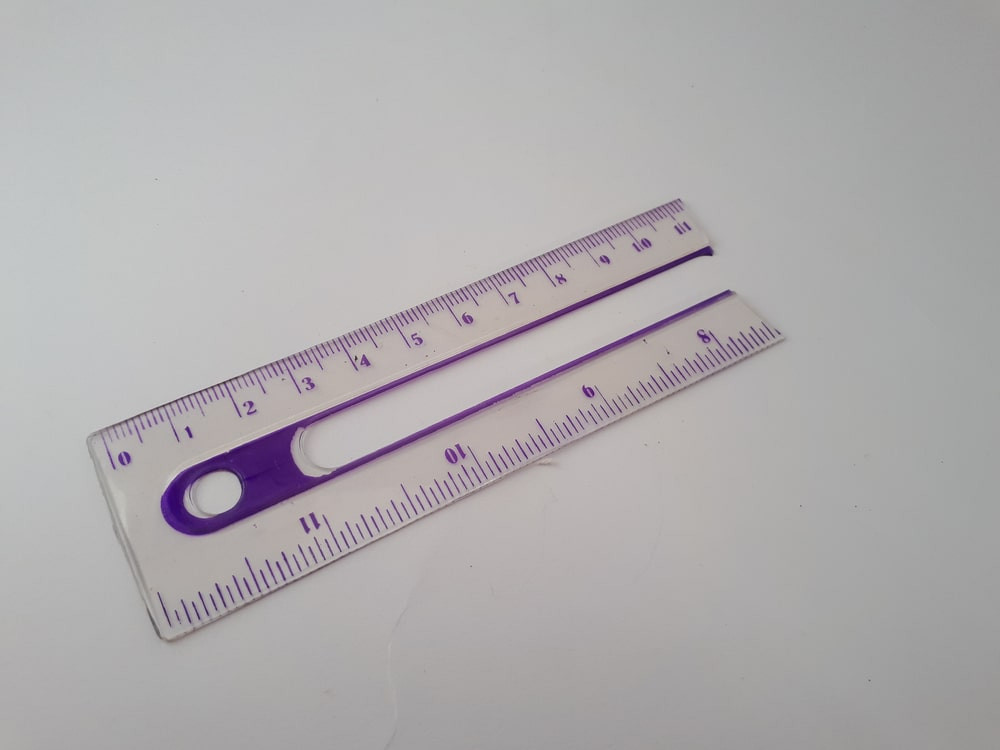
By positioning the zero mark slightly inward, manufacturers introduce a protective zone. This blank margin absorbs knocks, preserving the accuracy of the reference point. This smart design ensures the ruler remains reliable long after its edges have become rounded or damaged. In fact, precision measurement guides consistently advise measuring from the zero line, not the ruler’s physical edge.
Precision Instruments Follow the Same Principle
This concept isn’t exclusive to school rulers. Professional machinists use calipers with zero marks set back from their tips to preserve accuracy.
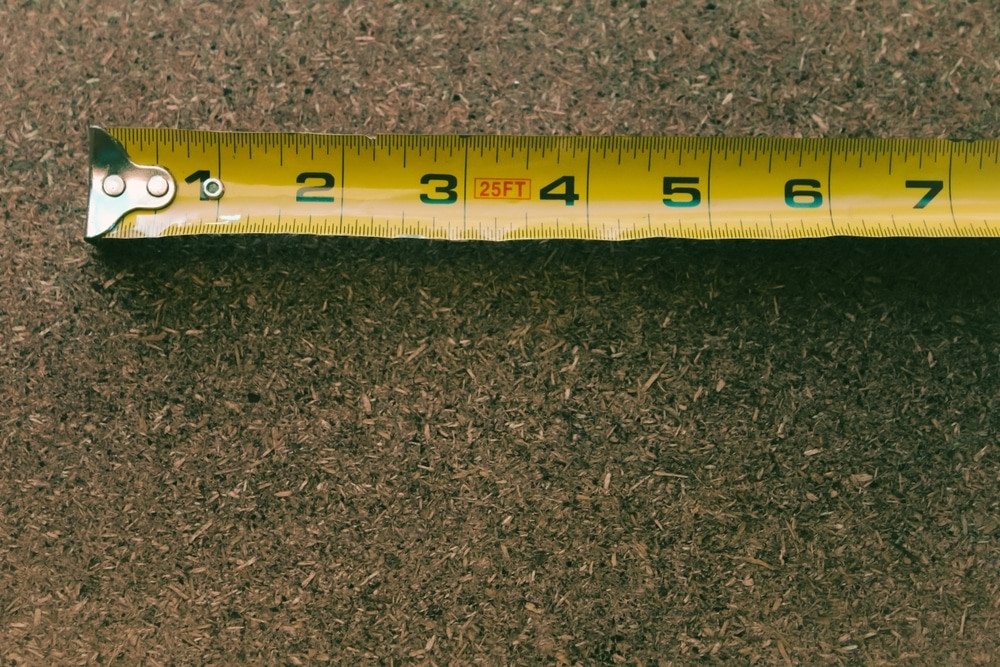
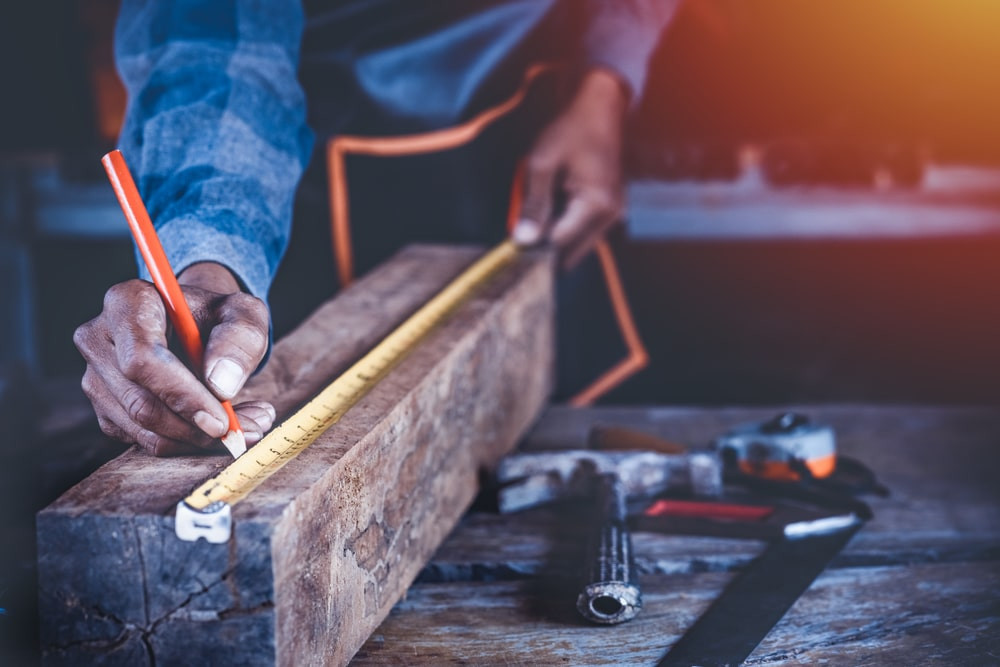
Tape measures tackle the same issue differently: their metal end hooks can slide slightly to adjust for thickness, allowing exact measurements whether placed inside or outside an object’s edge. Both devices share the key idea of separating the measurement origin from the part subjected to wear and tear.
The empty space also aids production. When rulers are cut from larger material sheets, ensuring a perfectly aligned edge with zero markings is difficult at scale. This margin allows for minor cutting variances, so the zero line remains intact. It’s a practical adjustment to the realities of mass manufacturing.
Experts Recognize the Purpose Immediately
Among the many puzzled social media responses, professionals such as carpenters, tailors, machinists, and engineers quickly understood why the gap exists. Their experience with worn tools has taught them firsthand how edge damage introduces errors. Their crafts rely on trusting the zero line, rather than the tool’s external edge, for accurate measurements.
This insight highlights a broader truth: ruler designers anticipated that most users wouldn’t consider edge wear until it caused problems. The solution is quietly built into the design, functioning effectively without drawing attention.
An Unseen Educational Tool
There’s also an instructional benefit often overlooked. For beginners learning to measure, the gap visually reinforces that measurements start at the zero line, not at the ruler’s edge. While adults understand this intuitively, children encountering rulers for the first time get a subtle cue to use the tool correctly without needing explanation.
This feature has endured for over a century, with drafting manuals from the early 1900s already describing it. It remained consistent through changes from wood to plastic, from imperial to dual scales, and from professional to inexpensive rulers. Such lasting design speaks to the fundamental and universal nature of the problem it solves.
- Categories:
- News













0 comments
Sign in to Comment