
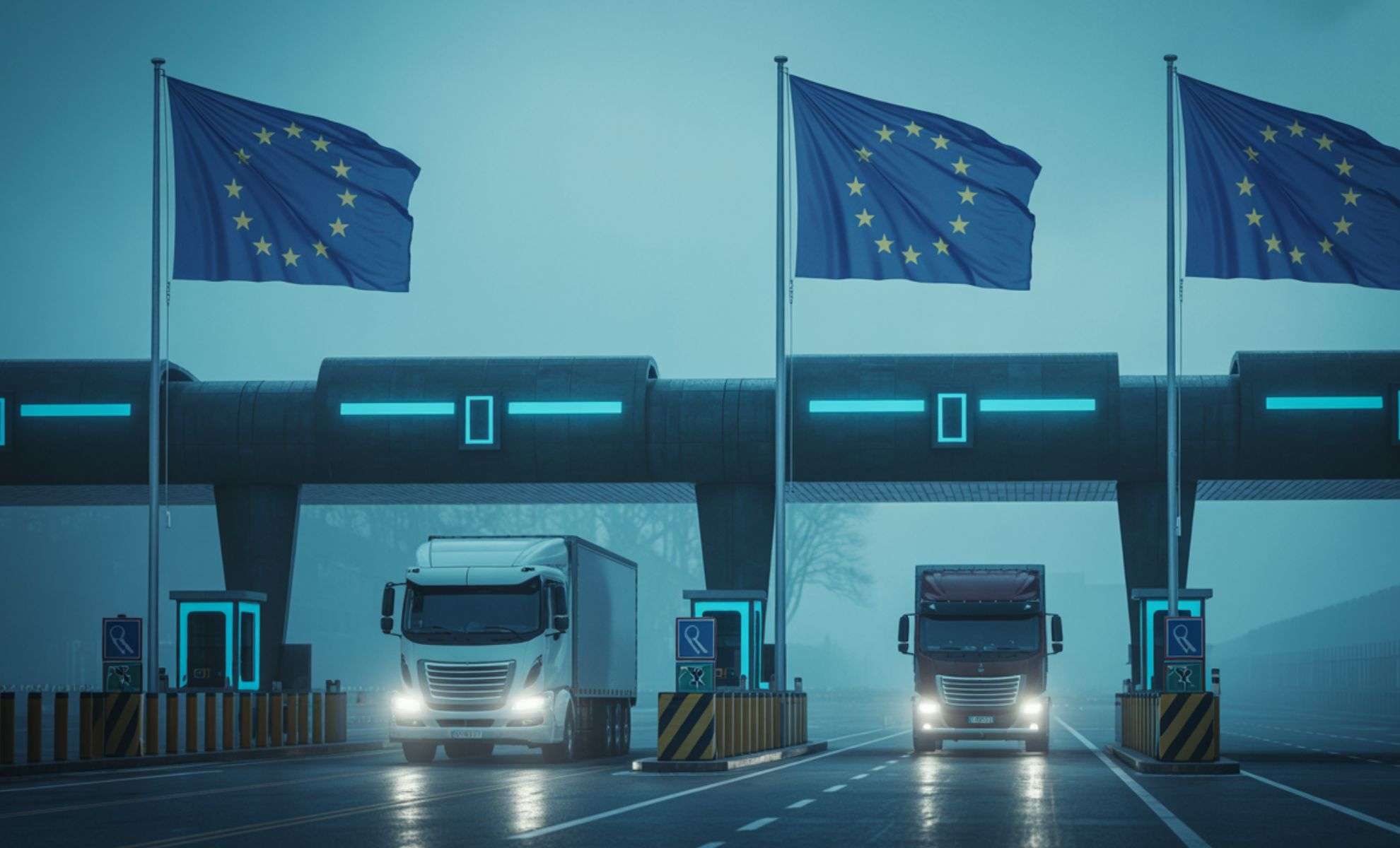
Europe's highways have long been vital routes for trade but also hotspots for pollution, largely due to the impact of heavy-duty trucks. Although trucks represent only about 2% of vehicles on the continent's roads, they contribute almost a quarter of carbon emissions from road transport, as reported by the European Environment Agency. In a new development aimed at promoting cleaner freight transport, electric trucks are now gaining a significant financial break.
This October, the European Parliament approved an extension for zero-emission trucks and buses to continue avoiding highway toll fees until June 2031. For many freight haulers, toll charges on Europe’s extensive 70,000 km toll network can reach thousands of euros annually. Originally enacted in 2022 with an expiration planned for 2025, this measure aims to accelerate the electric truck market ahead of the EU’s 2030 climate goals.
Financially, electric trucks currently carry a premium: owning and running one is estimated to cost between 30% and 50% more than comparable diesel models, according to a 2024 study by the International Council on Clean Transportation (ICCT). However, this gap diminishes when fuel economy, maintenance savings, and now toll exemptions are considered, making electrification potentially more affordable for fleet managers over the medium term.

The full benefit of this policy depends heavily on national uptake, as each EU country chooses whether to implement it. Currently, just Germany and the Netherlands offer complete toll exemptions for zero-emission vehicles. Another ten nations, such as Sweden and Austria, provide partial discounts, while 15 countries, including France, Italy, and Spain, have yet to apply these incentives.
Challenges in Electrifying Freight Transport
Despite increased pilot programs and financial aid for electric trucks, they make up only 3.5% of new truck registrations in Europe. The European Commission aspires to raise this figure sharply to 35% by 2030, requiring roughly 400,000 additional zero-emission trucks on the roads—many of which are still under development.
Compared to electric passenger cars, freight electrification faces tougher hurdles like limited driving range, sparse charging stations, and steep initial price tags. Premium electric models such as the Volvo FH Electric or Mercedes-Benz eActros can cost upward of €300,000, far exceeding the roughly €120,000 price of diesel trucks. Although charging technology is improving, it still lags behind the operational needs of continuous freight transport.
These challenges make toll exemptions more than just an incentive; they are a strategic necessity. As Thomas Fabian, Commercial Vehicles Director at ACEA, explains, “Without swift action from governments activating toll reliefs, manufacturers risk producing electric trucks that won’t achieve the needed sales volume.”
The Eurovignette Directive, which regulates toll fees in the EU, was revised in 2022 to permit member countries to exempt zero-emission trucks from CO₂-based road charges. This recent extension maintains that option through 2031 but stops short of making exemptions mandatory. Critics argue this flexibility misses a critical chance to unify policies.
The Case of France’s Toll Policy
France, home to an extensive and heavily tolled highway system, remains a holdout, having not adopted these toll exemptions. This hesitancy imposes regulatory uncertainty on logistics operators planning long-term investments in electric fleets.
According to transport decarbonization expert Alain Prost, “When some countries delay, it dilutes the impact of incentives across Europe, resulting in a fragmented market that only supports electric trucks in select routes.”
Beyond fairness, the pace of adoption matters greatly. Fragmented toll policies risk slowing fleet modernization and could undermine the EU’s ambition to cut the transport sector’s greenhouse gas emissions by 90% by 2050, a cornerstone of the European Green Deal.
Research from the Fraunhofer Institute for Systems and Innovation Research indicates that coupling toll exemptions with other strategies like subsidies and infrastructure investment could reduce emissions from heavy-duty vehicles by 40% within five years without placing major cost burdens on consumers.
- Categories:
- News













0 comments
Sign in to Comment