
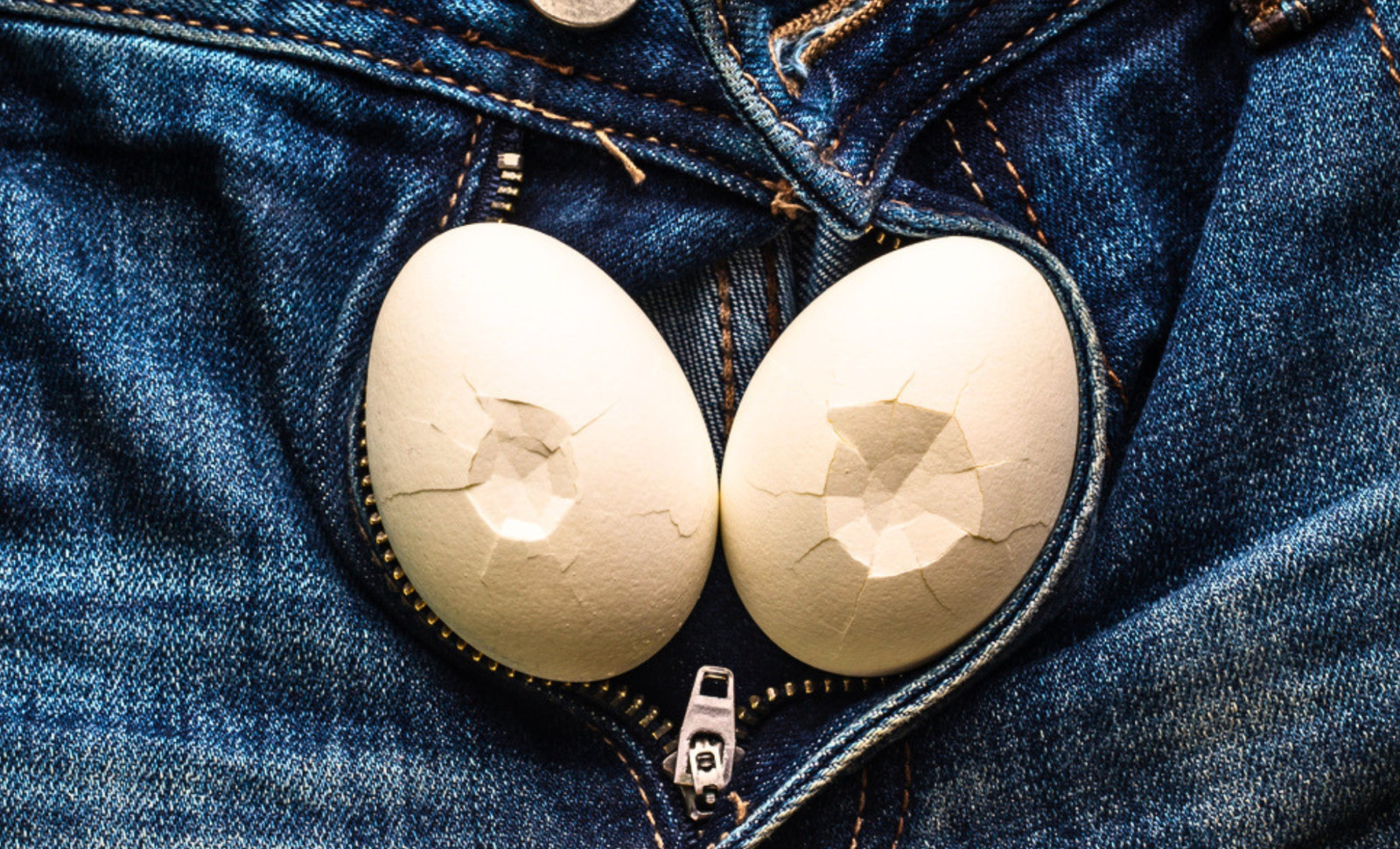
One of the most enduring debates in casual conversations concerns which is more painful: a blow to the testicles or the experience of childbirth. Scientific research, however, presents a more nuanced perspective, revealing that these pains originate from two distinct biological mechanisms, each finely tuned by evolution to elicit specific pain responses.
The popular notion that a testicular strike causes “9,000 del units” of pain lacks scientific credibility. The del scale is fictional and no standardized pain measurement effectively compares these very different experiences. Pain perception is highly individualized, influenced by context and more than just nerve activity.
The Evolution of Testicular Sensitivity
Healthline highlights that the testicles contain a dense network of nerve endings, outnumbering those in many other areas of the body. Unlike many organs, testicles lack cushioning from muscle, fat, or bones. Instead, they are encased only by a fibrous covering called the tunica albuginea, which offers limited protection against impact.

Dr. Nathan Starke, a urologist at Houston Methodist Hospital, explained to Inverse that the intense pain from hits to the testicles is evolutionary: they are essential for sperm production. The pain signal involves two distinct nerve pathways—one transmitting sharp, immediate pain, and another conveying slower, throbbing discomfort intended to create a lasting memory. “Slow pain is designed to really hurt you so you remember it,” Starke said.

The stomach cramping often accompanying testicular injury has an embryological basis. During fetal development, the testes originate near the kidneys and descend into the scrotum in the seventh month, carrying their nerve connections with them. This explains the referred pain felt in the lower abdomen after an insult to the testicles.
Why Childbirth Remains So Painful in Humans
Compared to other primates, human childbirth is notably more challenging, and scientists have long debated the reasons behind this.
The prevailing explanation is known as the obstetrical dilemma. It suggests that the human pelvis faces a compromise: it must be narrow enough for efficient upright walking but wide enough to allow passage of a large-brained baby. Nicole Webb, a paleoanthropologist at the University of Tübingen and the University of Zurich, shared with Discover Magazine that "this trade-off leads to both helpless newborns and prolonged, painful labor."

However, not everyone agrees with this view. University of Rhode Island bioanthropologist Holly Dunsworth critiques the obstetrical dilemma as lacking conclusive evidence. In her discussion with Discover, she pointed out that wider hips don’t necessarily impair walking and may actually enhance efficiency.
Dunsworth and her team proposed the EGG hypothesis—standing for Energetics, Gestation, and Growth—which argues that childbirth timing is dictated not by bone structure but by the mother’s metabolic capacity. As fetal energy demands near the mother's metabolic limits late in pregnancy, labor is triggered to avoid exceeding physiological constraints.
The Pelvic Floor: A Balancing Act of Competing Roles
A study published in the Proceedings of the National Academy of Sciences by engineers at the University of Texas at Austin and the University of Vienna applied finite element analysis—a technique borrowed from civil engineering—to explore the pelvic floor's dual roles in childbirth and organ support.
The research demonstrated that while a larger birth canal would facilitate delivery, it would compromise the pelvic floor’s ability to maintain organ support. Krishna Kumar, assistant professor and lead author, noted, “We have evolved a configuration where the pelvic floor and canal balance maintaining internal organs and enabling childbirth, making labor as manageable as possible.”
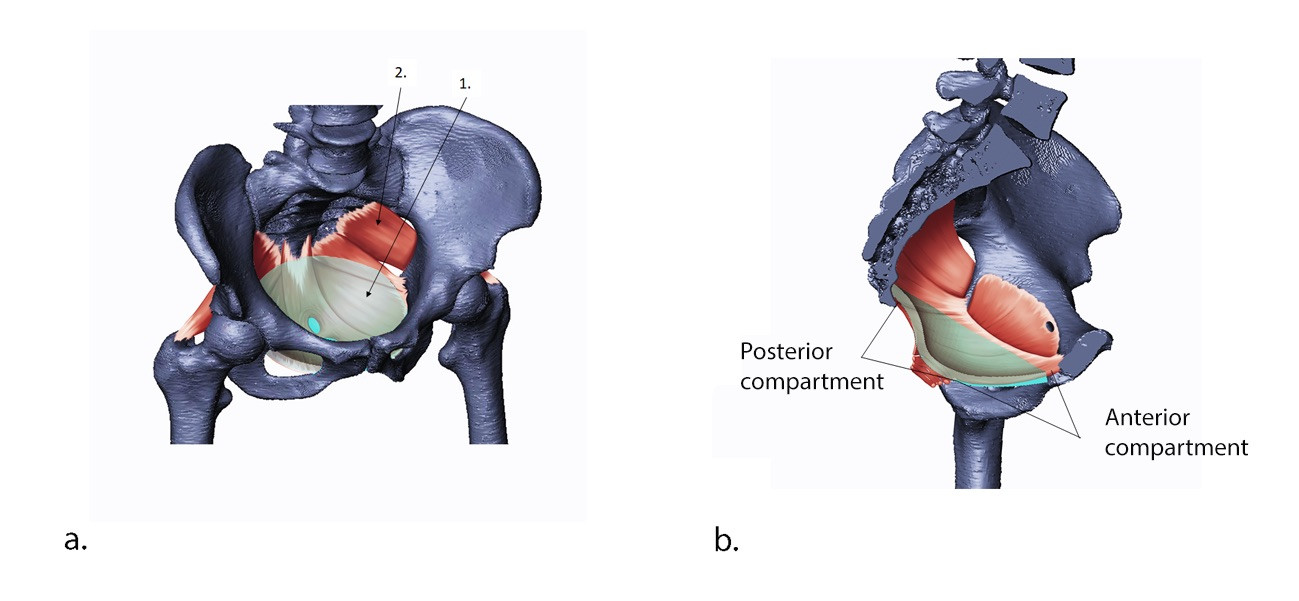
Nicole Grunstra, a researcher affiliated with the University of Vienna, added that a thicker pelvic floor also brings difficulties: “If the pelvic floor is too resistant, it hinders the baby's passage despite a wider birth canal.” She concluded that pelvic floor thickness represents yet another evolutionary compromise without a perfect solution.
Conclusion: No Clear Winner in the Pain Contest
The truth is, there is no definitive answer—pain remains a highly personal experience. Science can chart nerve pathways, model anatomy, and trace embryological origins of referred pain, but it cannot conclusively say which scenario is more agonizing.
Those who have undergone childbirth multiple times might argue it’s not unbearable, while others might note that some people actually enjoy the pain of testicular impact, highlighting the subjective nature of suffering.
The most reasonable conclusion is a “draw.” A testicular strike is an intense but brief shock that the body wants you to remember, while childbirth is an extended, physiologically complex event shaped by evolutionary trade-offs. Neither is objectively superior in pain. At least, we can all agree that kidney stones present an altogether different level of misery.
- Categories:
- News











0 comments
Sign in to Comment