
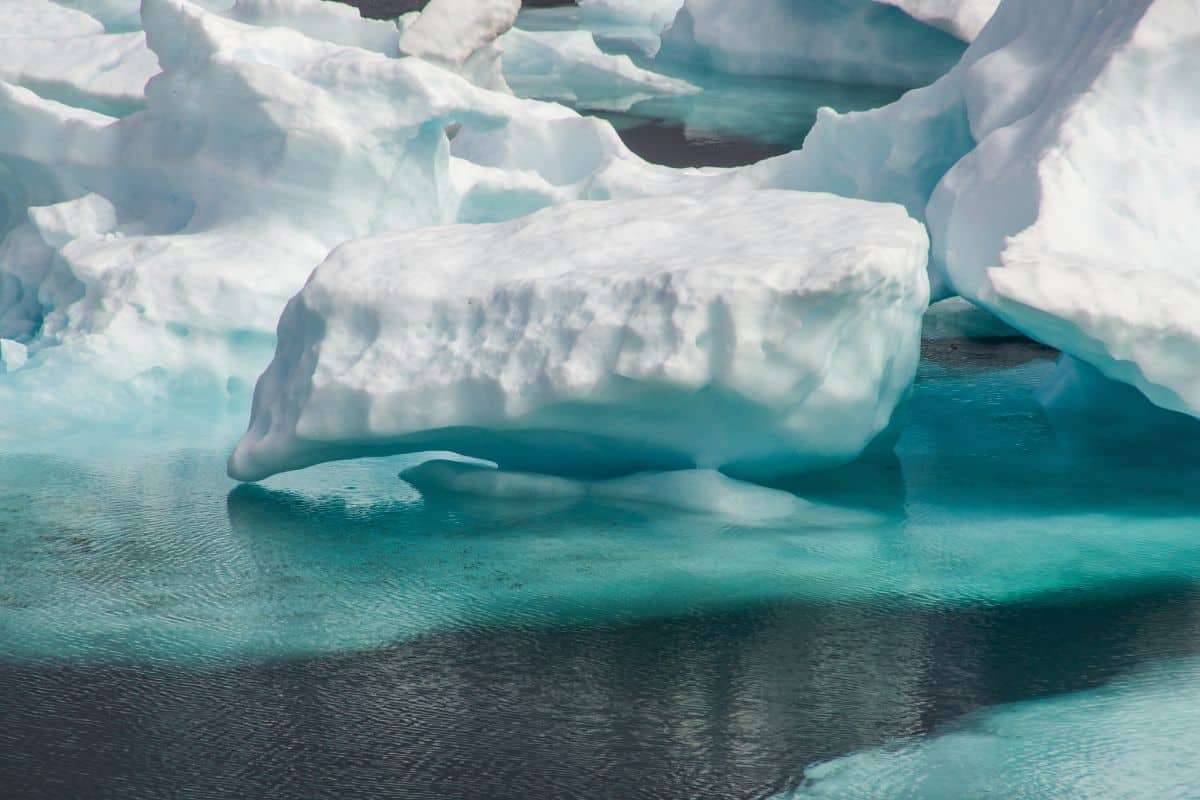
Global sea ice coverage has plummeted to unprecedented lows, with drastic reductions observed in both the Arctic and Antarctic regions. Satellite observations from the European Union’s Copernicus climate service reveal that February registered the lowest ever recorded global sea ice extent. This steep decline is strongly associated with escalating global temperatures, which remain alarmingly high.
Arctic Ice Dwindles to New Record Lows
In the Arctic, February's sea ice concentration fell to 8% below the long-term average, an area comparable to the size of the UK. This marks the third straight month of record-low ice levels in the Arctic. Typically, the Arctic sea ice reaches its annual peak during winter, making this reduction especially troubling.
The disappearance of sea ice poses a dire threat to local ecosystems, as numerous species depend on the ice for hunting and reproduction. Polar bears, seals, and other Arctic animals are losing critical habitat, endangering their survival.

Antarctic Sea Ice Faces Severe Decline
Likewise, Antarctica has endured significant sea ice losses. Although December 2023 showed a brief rebound to near-average levels, ice coverage sharply decreased again by February. Antarctic sea ice was 26% lower than average, marking the fourth smallest extent ever recorded for that month.
Unlike the Arctic, Antarctic sea ice has historically fluctuated greatly from year to year. However, over the past two years, scientists have noted a concerning downward trend that some fear signals the onset of a sustained decline driven by warming ocean temperatures.
Widespread Effects of Melting Ice
Sea ice loss extends beyond polar environments, with far-reaching global ramifications. Ice acts as a natural coolant by reflecting sunlight back into space. As ice melts, more solar energy is absorbed by the seas, driving a self-reinforcing cycle of warming.
Additionally, diminishing sea ice can interfere with ocean currents, which rely on the formation of cold, salty water from sea ice to circulate heat around the planet. These disruptions could provoke major shifts in climate patterns and contribute to increasing sea levels.
Researchers Raise Alarms Over Consequences
Leading scientists express growing unease about the ramifications of these historic lows in sea ice. Robert Larter of the British Antarctic Survey labeled the situation a "cause for serious concern".
He highlighted how the decline threatens polar habitats and heightens the fragility of ice shelves, which contain vast reserves of land ice. A collapse of these shelves could markedly accelerate global sea level rise.
Samantha Burgess from the European Centre for Medium-Range Weather Forecasts noted that these patterns match climate change forecasts, reporting that February 2024 temperatures were 1.59°C higher than pre-industrial levels, ranking it as the third warmest February in recorded history.
- Categories:
- Climate change









0 comments
Sign in to Comment