
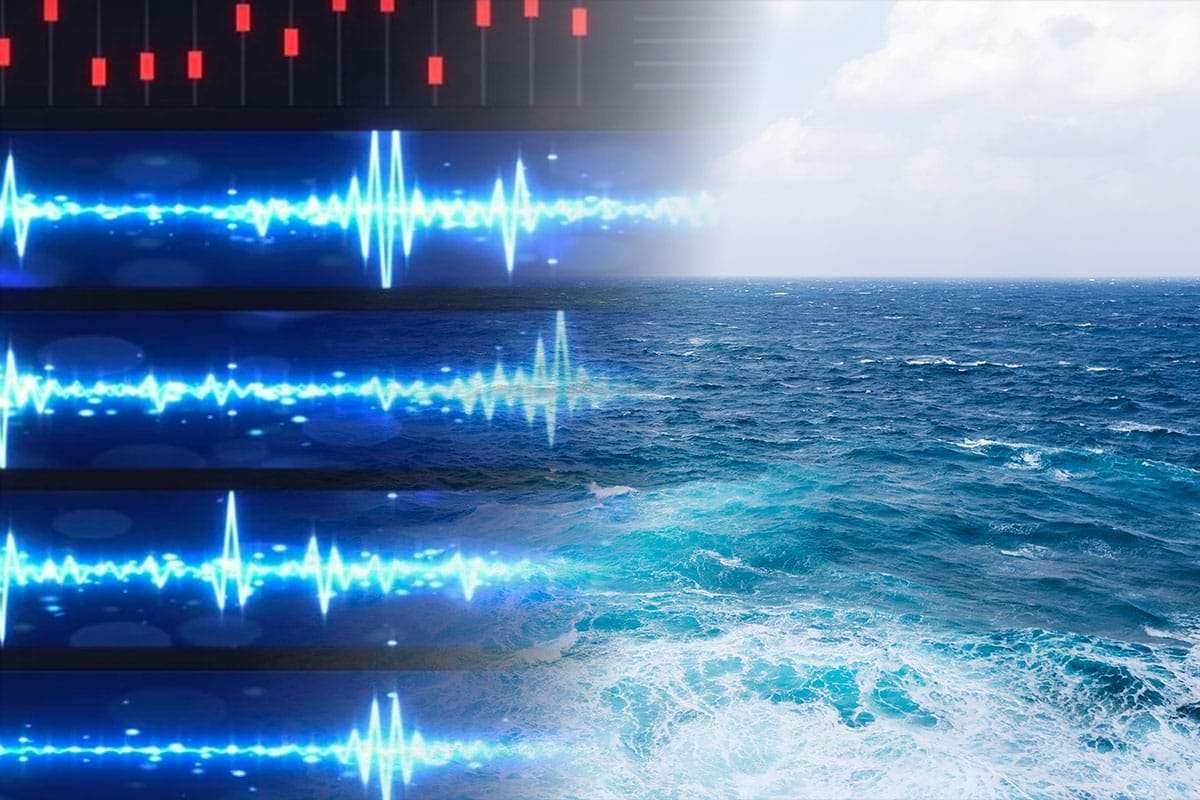
Noise pollution beneath the waves has long threatened marine creatures, but new research reveals that climate change is intensifying this problem. As global temperatures climb, underwater sound environments are altering drastically, potentially disrupting aquatic ecosystems and endangering ocean biodiversity.
Influence of Climate Change on Ocean Sound Dynamics
Oceans have been growing louder since the Industrial Revolution, yet climate change introduces new complexities. Increasing sea temperatures and rising ocean acidification are modifying how sound propagates underwater, leading to a more disordered and noisy marine soundscape.
Warmer waters cause sound waves to move faster and travel farther. This means that noises generated both naturally and by human activities penetrate greater distances in the ocean. Scientists estimate noise levels in parts of the North Atlantic could rise by approximately 7 decibels by century’s end.

Additionally, ocean acidification, the process of seawater becoming more acidic due to excess carbon dioxide absorption, alters water chemistry and impacts sound absorption. This shift results in sound becoming more prominent over shorter ranges, intensifying localized underwater noise.
Consequences for Marine Life and Ecosystems
Changes in how sound travels affect many marine species that depend on acoustic signals for:
- Communication
- Orientation
- Locating prey
- Avoiding threats
- Reproduction
For instance, whales may find it harder to exchange vocal signals across vast distances as ambient noise increases. Fish that detect predators through sound could become more exposed. These acoustic disturbances may reduce “acoustic visibility” for numerous organisms, jeopardizing their ability to survive.
The repercussions extend throughout marine networks. Disruptions to individual species’ behaviors can trigger cascading effects in ecosystems. A decline in fish populations due to acoustic stress could ripple through food chains, impacting predators and prey alike and destabilizing oceanic balance.
Implications for People and Ocean-Related Industries
The escalation in ocean noise does not only affect wildlife. Human sectors such as commercial fishing may experience challenges as fish distributions shift or decrease in response to noisy environments, complicating sustainable harvesting efforts.
Other areas potentially influenced include:
IndustryPossible ConsequenceFishingChanges in fish movement and availabilityMarine ScienceDisruptions in acoustic data collection and monitoringUndersea ConstructionSound behavior alterations impacting operational safety and communicationNaval ActivitiesReduced efficiency of sonar and underwater communication systems
Charting a Course Forward
Although researchers have established that climate change is exacerbating underwater noise, many questions remain. Ongoing studies aim to understand species’ reactions and forecast future noise scenarios.
Grasping these effects is vital for crafting effective conservation plans. Efforts like protecting critical acoustic habitats and minimizing noise from shipping and industrial activities could alleviate some impacts. Addressing climate change globally remains essential to curb the fundamental causes driving these shifts.
The rise in ocean noise underscores that climate change’s influence goes beyond warming waters and rising seas. The underwater acoustic environment is transforming, disturbing marine life’s delicate balance. Combating this challenge demands joint action from scientists, policymakers, and industry leaders to protect ocean health for generations to come.
- Categories:
- Climate change









0 comments
Sign in to Comment