

New fossil discoveries uncovered beneath Greenland’s vast ice sheet offer pivotal evidence about past climate conditions, pointing to an ice sheet far more susceptible to melting than previously believed. These revelations carry serious consequences for projecting future sea level changes and global warming.
Exploring Greenland’s Ancient Ice-Free Landscape
During a warmer interval within the last 1.1 million years, not just Greenland’s ice sheet margins but its entire central mass melted, exposing a dry tundra that sustained diverse insects and vegetation.
Scientists investigating sediment samples from the base of an ice core—retrieved almost three decades ago from nearly two miles below the surface—have uncovered remnants of this prehistoric ecosystem.


Examination of the sediments revealed minute black particles which, under microscopy, turned out to be an insect eye, seeds from the Arctic poppy, fragments of Arctic willow, and traces of soil fungi and spike moss. Dubbed a “frozen ecosystem,” this evidence confirms that up to 90% of the ice sheet had vanished at that time. “It was surprising that the ice sheet could persist despite such warm conditions,” said Andrew Christ, geologist at the University of Vermont.
Fossils Confirm Greenland’s Ice Sheet Fragility
These fossil findings lend strong support to the “fragile Greenland” theory, indicating significant ice sheet melting episodes have occurred since it formed around 2.7 million years ago.
During those events, greenhouse gas concentrations in the atmosphere were much lower than today’s elevated levels. With carbon dioxide now substantially increased, the ice sheet is even more vulnerable to thawing.
Scientists caution that continued melting of Greenland’s ice could produce a global sea level increase of 20 to 25 feet, threatening coastal populations and ecosystems worldwide.
Paul Bierman, professor of geology at the University of Vermont, states, “Greenland’s sensitivity to natural warming has been underestimated, and current warming trends are evidence of that.” This underscores the importance of learning from past climates to anticipate future ice sheet dynamics accurately.
Current Ice Loss and Its Worldwide Effects
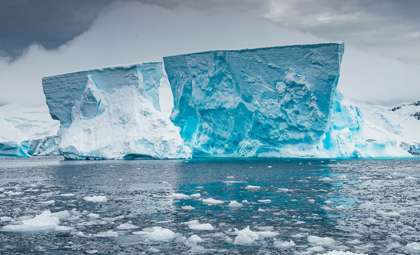
Presently, the Greenland ice sheet spans approximately 80% of the island, covering an area nearly three times larger than Texas. NASA’s data highlight an accelerating ice loss in recent years, which is adding about 0.03 inches annually to sea level rise.
The melting ice in Greenland is now the foremost contributor to rising seas, overtaking contributions from mountain glaciers. If unchecked, this trend could displace hundreds of millions and drown coastal urban centers, while disrupting natural habitats.
Researchers stress the urgency of addressing climate change to reduce these risks. “Greenland acts as an early warning signal for global warming impacts,” commented one study participant. “Immediate intervention is critical.”
Learning from Past Climate to Forecast Future Change
Continued analysis of sediment and fossil material beneath the Greenland ice sheet is vital for tracing its history and anticipating its response to ongoing climate shifts. Researchers intend to apply cutting-edge technologies to further decode this ancient record, helping to reconstruct former climate patterns and refine future projections.
Joint efforts by NASA and the University of Vermont highlight the necessity of interdisciplinary collaboration in solving complex environmental problems. As Bierman noted, “Grasping Greenland’s past behavior is key to modeling what lies ahead.” This historical insight plays a critical role in crafting more reliable climate models and policy frameworks aimed at curbing global warming effects.
Collaborative Research and Pathways Forward
Ongoing partnerships among agencies like NASA, the University of Vermont, and other institutions are essential for devising responses to the challenges from sea level rise and global warming.
By integrating paleoclimate studies, geology, and climate science, researchers aim to build comprehensive models capable of accurately forecasting future environmental transformations.
Upcoming investigations will delve deeper into fossil records to ascertain the precise triggers behind Greenland’s earlier ice sheet retreats. This knowledge will provide invaluable data to enhance climate simulation models and guide political decisions for mitigating sea level rise impacts.
Imperative Actions for Climate Mitigation
The unearthing of ancient fossils beneath the Greenland ice sheet illuminates its inherent vulnerability and signals potential for massive future melting. As research advances, scientists emphasize the pressing need to address climate change urgently to shield vulnerable communities from severe sea level increases.
Insights from Greenland’s ice sheet history serve as a powerful alert for rapid climate action. “These findings are clear warnings about what lies ahead if we continue on this path,” Andrew Christ emphasized. The call to reduce greenhouse emissions and adopt sustainable approaches is crucial to preserving the planet’s future.
- Categories:
- News ,
- Science ,
- Climate change







0 comments
Sign in to Comment