
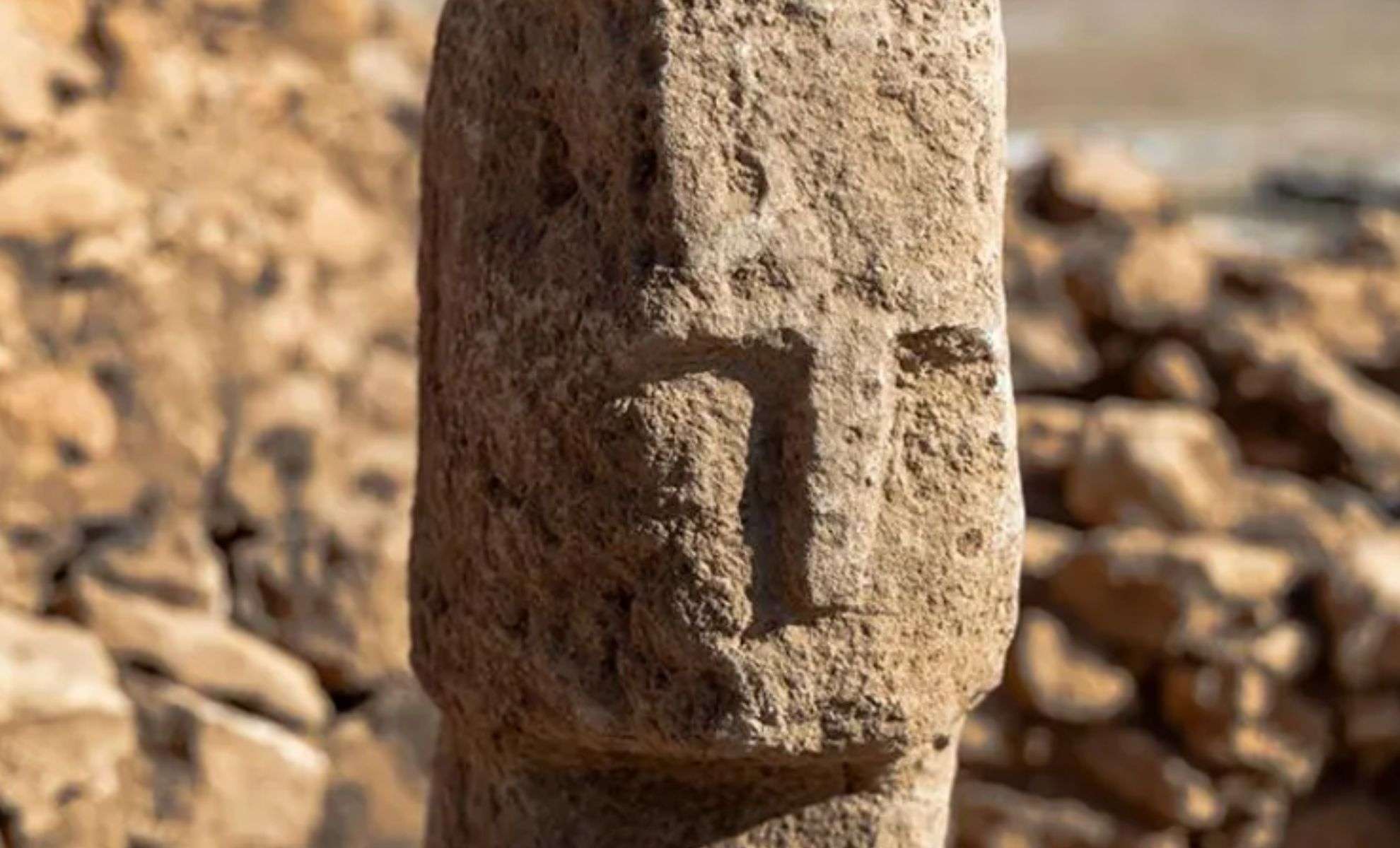
After lying hidden beneath the surface for over 11,000 years, an enigmatic carved face has emerged from the dry landscape of southeastern Turkey. Archaeologists working at Karahan Tepe have revealed a stone pillar adorned with a human visage, marking the first of its kind at the site and potentially the oldest known depiction of a human self-image discovered to date.
Situated in Turkey’s Şanlıurfa Province, Karahan Tepe is a Neolithic site predating even the renowned Göbekli Tepe. Both locations form part of the extensive Taş Tepeler ("Stone Hills") archaeological region. Excavations led by the Ministry of Culture and Tourism since 1997 have uncovered hundreds of intricately carved stone pillars and figurative sculptures, providing valuable insight into the lives and beliefs of early human societies from more than 10,000 years ago.
While previous findings primarily featured depictions of limbs, animals, or attire, none showed facial details. This newly found face enriches the symbolic vocabulary of the site and implies a sophisticated form of communication or self-expression among these ancient communities.

Introducing a Human Face to the Pillars
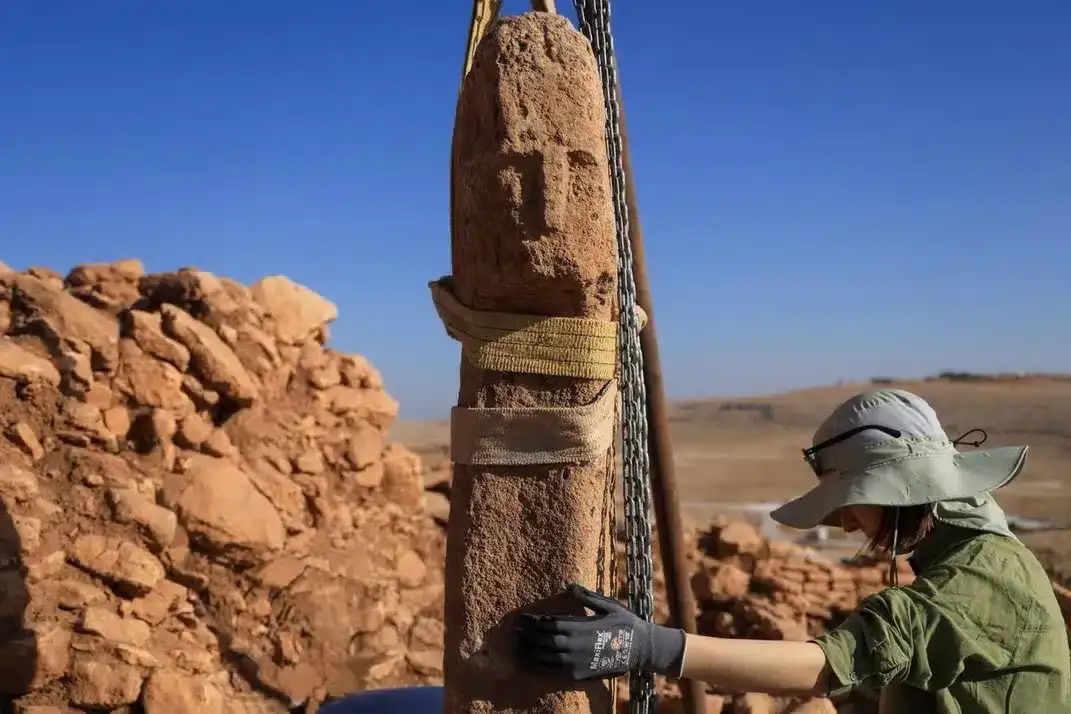
Engraved into a 1.4-meter tall T-shaped pillar, the face exhibits a minimalist but purposeful design. It includes a broad forehead, deep eye cavities, and a straight nasal ridge, echoing facial traits seen on statues and busts elsewhere at the site. Remarkably, this is the first stone column at Karahan Tepe to feature a human face.
“This was the last missing element among the pillar carvings,” explained Necmi Karul, lead archaeologist of the excavations, according to The Art Newspaper. The pillar was found inside a structure containing everyday items like grinding stones, suggesting it had both functional and symbolic significance.
Reflecting on the broader implications of Karahan Tepe, Karul noted: “One lesson from our initial year at the site was that each discovery surpassed our expectations. The Neolithic period stands as a transformative chapter in human history and connects us all.”
Karahan Tepe: An Ancient Site Predating Farming
Though overshadowed by its neighbor Göbekli Tepe, Karahan Tepe may date back even further by several hundred years. Researchers have catalogued over 270 structural features, as reported by IFLScience, including upward of 260 standing pillars. Many pillars are richly adorned with images of animals like snakes, leopards, vultures, foxes, as well as abstract symbols and depictions of human limbs.
The site has also yielded unexpected artifacts. In one chamber, archaeologists unearthed eleven large phallic-shaped stone carvings believed to be linked to early fertility rites. These discoveries illustrate a complex symbolic system in which the human body, animals, and mythical creatures featured prominently in ritual practices.
Rewriting the Origin of Permanent Human Settlements
Perhaps most compelling is what Karahan Tepe reveals about early human settlement patterns. The structures and carvings date to a time before the advent of farming, challenging the traditional belief that agriculture was the catalyst for settled life. “Farming is not the cause, but the consequence, of permanent settlement,” Karul explained in a 2021 discussion with The Art Newspaper.
This carved face is therefore far more than decoration; it could represent one of humanity’s earliest self-portraits, created well before written communication or the rise of agriculture. Turkey’s Culture and Tourism Minister, Mehmet Nuri Ersoy, hailed it as “the earliest known instance of a Neolithic individual carving their own likeness onto a T-shaped pillar.”
A stone face gazing out from over 11 millennia ago offers a rare glimpse back into a world just beginning to explore the concept of human identity.
- Categories:
- News












0 comments
Sign in to Comment