
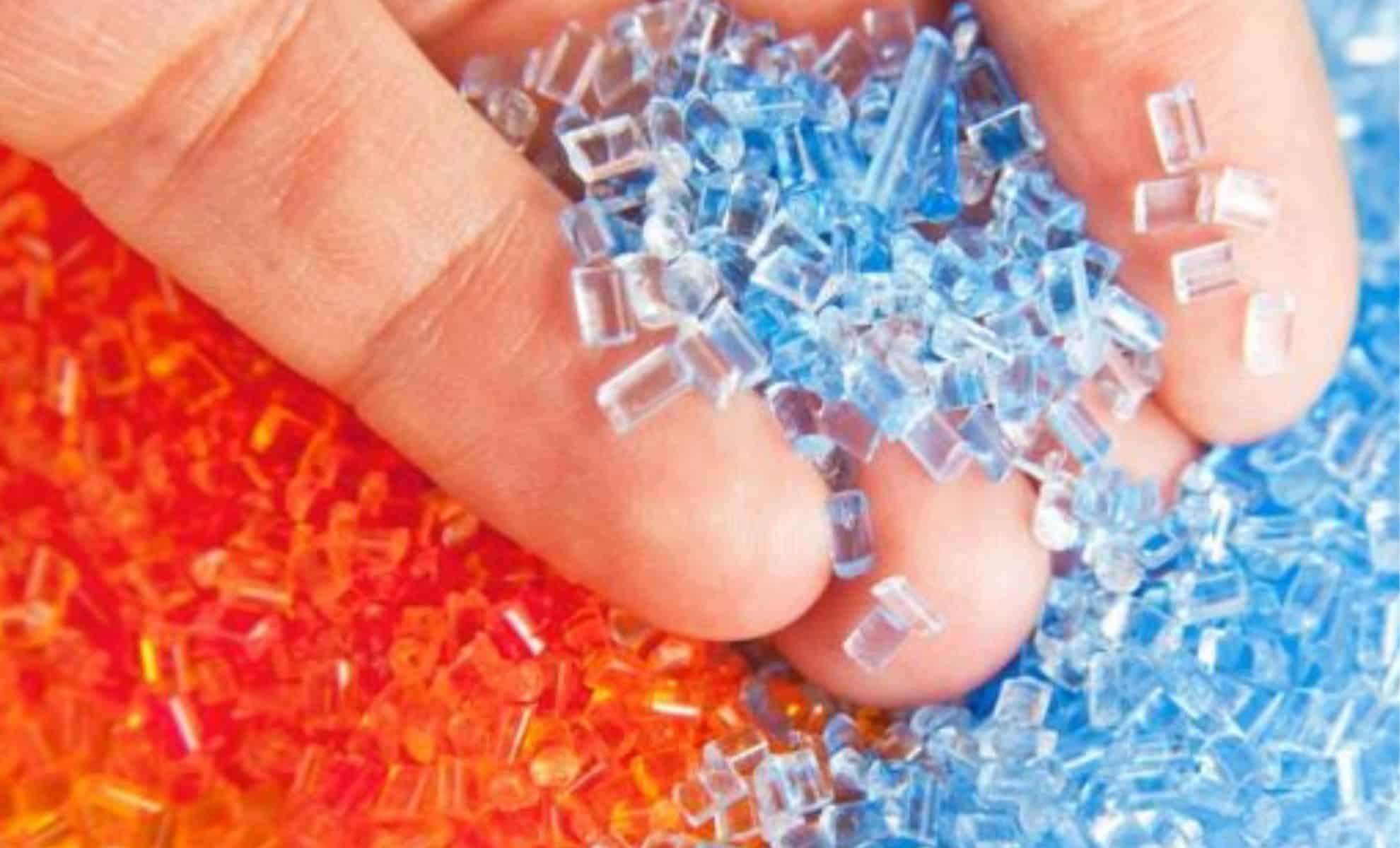
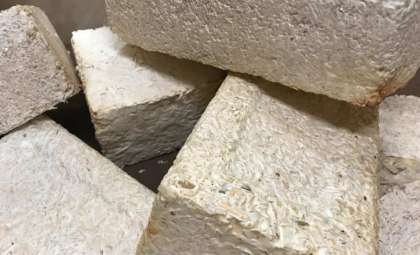
A team of Swiss scientists has engineered a novel biodegradable plastic-like substance that is not only flexible and sturdy but also alive and safe to eat. This breakthrough, outlined in a recent Advanced Materials study, marks an important advance in creating sustainable alternatives to conventional plastics. The material is crafted from the mycelium fibers of the split-gill mushroom (Schizophyllum commune), offering a rare combination of strength and eco-friendly decomposition.
Utilizing Fungal Structures to Innovate Materials
The process begins by isolating mycelium fibers from the split-gill mushroom and transforming them into a liquid form while preserving the living fungal cells. This technique keeps the material biologically active, enabling it to maintain its inherent functions. The resulting gel, described as living fiber dispersions (LFD), can be shaped into diverse forms yet remains both flexible and robust.
"The fungus employs an extracellular matrix to provide form and functional qualities," states Empa materials scientist Ashutosh Sinha. "Our goal was to replicate that natural strategy." This matrix serves as a natural scaffold, lending durability and multifunctionality to the material, positioning it as a viable substitute for traditional plastics. Unlike many bio-based materials that depend on the fungal cells alone, LFD fully leverages the additional substances secreted by the fungus, broadening its range of applications.

Distinctive Traits and Future Uses of LFD
A remarkable characteristic of this living material is its functionality as an emulsifier, which enables it to blend and stabilize otherwise incompatible mixtures like oil and water. This feature is especially valuable in sectors such as food production and cosmetics, where emulsifiers are key components in products ranging from lotions to frozen desserts. Uniquely, the emulsifying ability of this fungal-derived substance strengthens over time, defying typical emulsion behavior.
"It’s likely the only emulsion that improves its stability as it ages," Sinha remarks, underscoring the material's self-optimizing nature. Besides, LFD boasts impressive tensile strength, making it ideal for thin, compostable films such as biodegradable bagging that decomposes naturally with waste. This material also holds promise for creating ultra-thin biodegradable batteries, potentially revolutionizing eco-friendly electronics.
Environmental Interactions as Functional Advantages
While biodegradable materials often face challenges due to sensitivity to surroundings, this fungal-based living material turns environmental responsiveness into a benefit. "Materials that biodegrade inherently respond to their environment," explains Empa researcher Gustav Nyström. "Our goal is to harness this responsiveness as a feature, not a limitation." This could lead to smart materials capable of self-repair or tailored degradation according to specific needs.
Being alive, the LFD continuously synthesizes molecules crucial to its integrity, extending its functional lifespan. Derived from edible mushrooms, the material is non-toxic and suitable for uses where safety and environmental sustainability are critical, such as food packaging and personal care items.
- Categories:
- News








0 comments
Sign in to Comment