
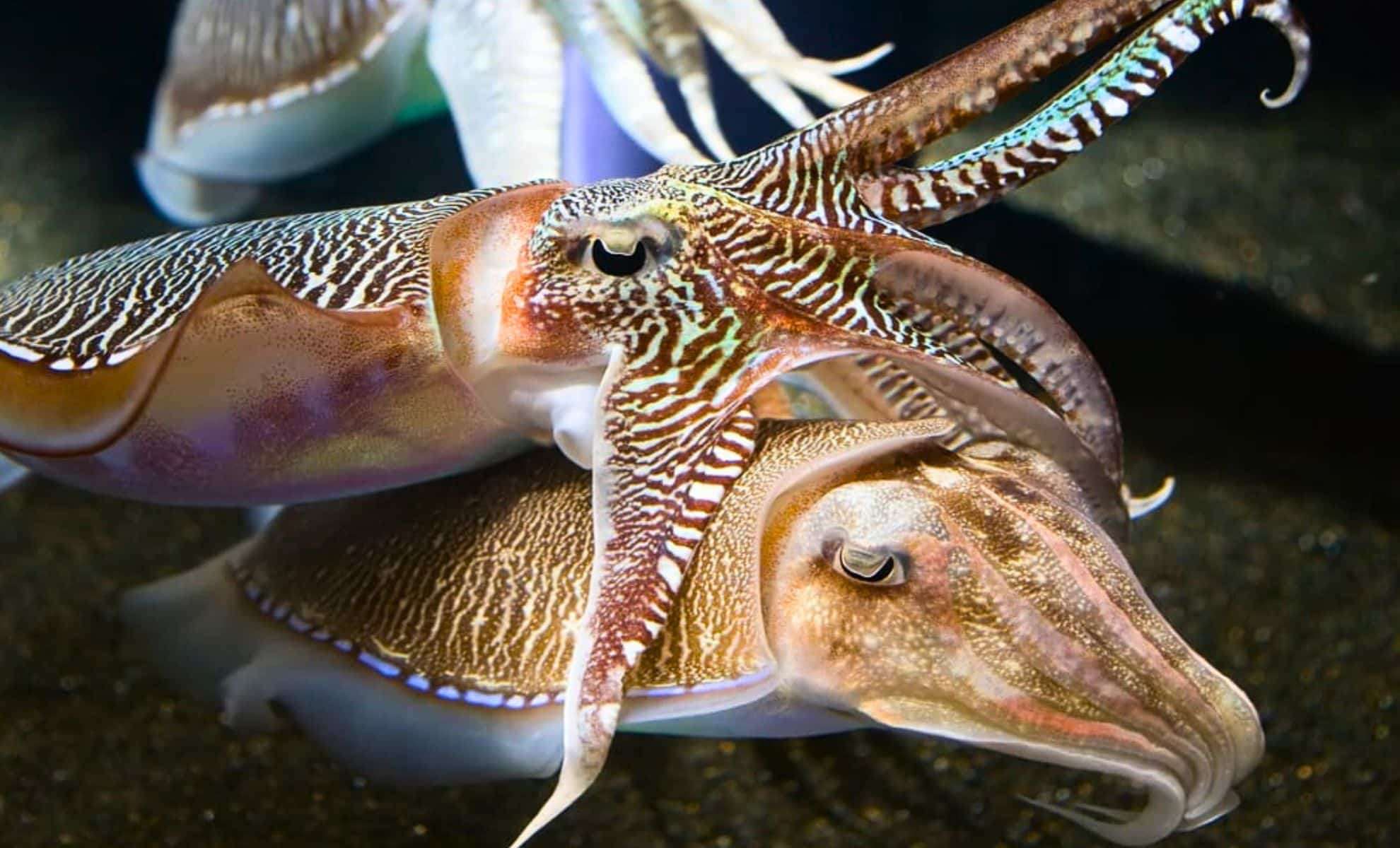
Recent research has shown that the common cuttlefish (Sepia officinalis) demonstrate a capacity for delayed gratification, a cognitive trait once believed to be exclusive to intelligent vertebrates.
Scientists adapted the well-known marshmallow test, originally intended for human children, to assess whether cuttlefish could forgo an immediate reward in anticipation of a superior one.
These results challenge previous beliefs about the cognitive potential of marine invertebrates and shed light on the evolutionary roots of intelligence.

Applying the Marshmallow Paradigm to Cuttlefish
The marshmallow test, introduced in the 1970s, examines impulse control by offering a child a choice: consume one marshmallow right away or wait to receive two. The ability to delay gratification is linked to cognitive faculties such as problem-solving and planning ahead.
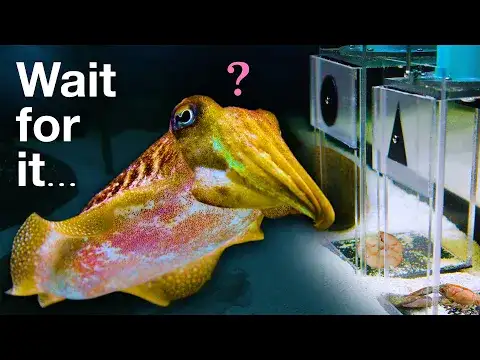
Researchers tailored this experiment for cuttlefish by using a less-preferred prey and a highly favored shrimp. These food items were placed behind transparent barriers marked with geometric shapes.
The cuttlefish quickly associatied eating the first option with losing the chance to get the shrimp, learning to wait for the more desirable reward.
An Unexpected Demonstration of Patience
The cuttlefish displayed notable self-restraint, frequently resisting the initial food option to gain access to the preferred shrimp, with waiting times similar to those seen in primates and corvids—species recognized for their advanced mental capabilities.
This behavior reveals their capacity to anticipate future rewards and adjust their choices accordingly. Since the ability to delay gratification is a hallmark of higher cognition, it suggests that cephalopods possess cognitive skills more complex than previously acknowledged.
Why Does a Cuttlefish Benefit from Impulse Control?
Unlike social animals, where impulse control aids group coordination and survival, cuttlefish lead solitary lives. Their self-control likely relates to their hunting tactics.
As ambush predators, cuttlefish utilize camouflage to remain undetected. Instead of striking immediately, they wait for the optimal moment to attack, increasing hunting success.
This research implies that patience and impulse regulation emerge not only from social needs but also as an evolutionary advantage in predation strategies.
Expanding Our Definition of Intelligence
Discovering that cuttlefish succeed in a test of self-control prompts a re-evaluation of intelligence's evolutionary pathways. Traditionally, impulse control has been linked to birds and mammals with large brains and social behaviors. This study demonstrates that complex cognition can arise through diverse evolutionary routes.
Exploring how cuttlefish intelligence develops may offer broader perspectives on cognitive evolution and how different species evolve decision-making abilities tailored to their ecological niches.
Conservation Challenges Amidst Cognitive Wonders
Despite their remarkable intellect, cuttlefish are increasingly impacted by climate change and human activities. Ocean acidification, driven by rising CO₂ levels, disrupts marine life development, including cephalopods.
Overharvesting and habitat loss have caused declines in cuttlefish populations, such as the giant Australian cuttlefish (Sepia apama). Protecting these species and their environments is vital for marine ecosystem health.
Further investigation into cephalopod cognition could advance our understanding of animal minds and emphasize the importance of conserving these extraordinary creatures.
- Categories:
- News













0 comments
Sign in to Comment