
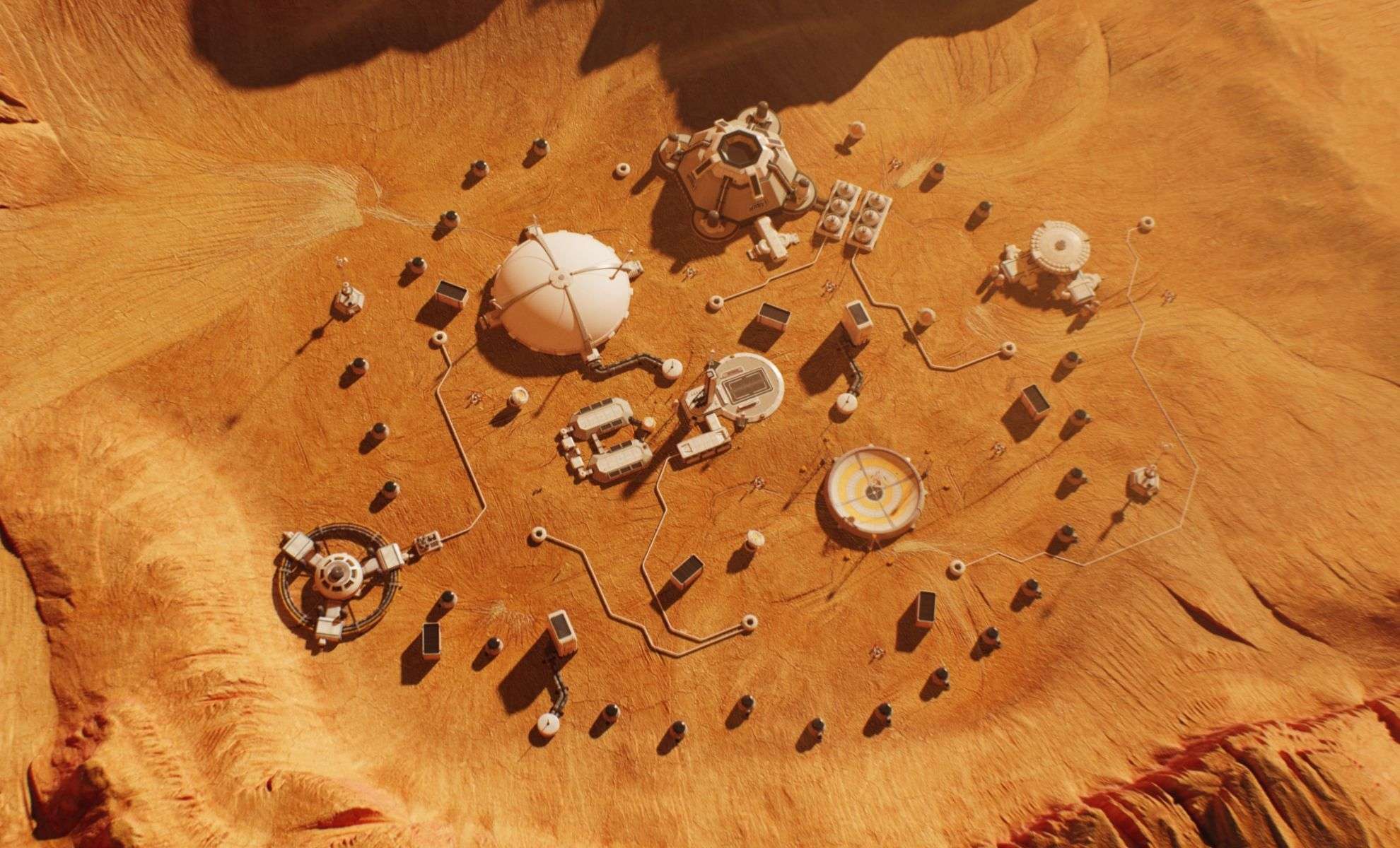
The vision of establishing a human presence on Mars is becoming increasingly tangible thanks to recent breakthroughs in space construction technology. One of the most formidable obstacles to settling the Red Planet is the challenge of erecting structures without the hefty expense of sending building supplies from Earth. In June 2025, a collaborative project between Texas A&M University and the University of Nebraska-Lincoln introduced an innovative approach: autonomous habitat fabrication using indigenous Martian soil, known as regolith, composed of sand, dust, and rock fragments. Featured in the Journal of Manufacturing Science and Engineering, this work represents a major advance in bio-manufacturing engineered living materials tailored for off-world construction. This breakthrough could pave the way for habitats that build themselves, minimizing dependence on Earthly resources.
A New Frontier: Autonomous Habitat Building on Mars
Efforts to utilize Mars' own materials for construction have spanned various techniques, including bonding mechanisms based on sulfur and magnesium compounds. These approaches typically demand human operation, posing challenges for distant, unmanned missions. The novel method developed by Dr. Congrui Grace Jin's research group bypasses this limitation by harnessing bio-manufacturing. This system emulates Earth’s natural ecological processes with a synthetic lichen, engineered to create biomaterials that coalesce Martian regolith into durable structures autonomously, requiring no external aid or human involvement.
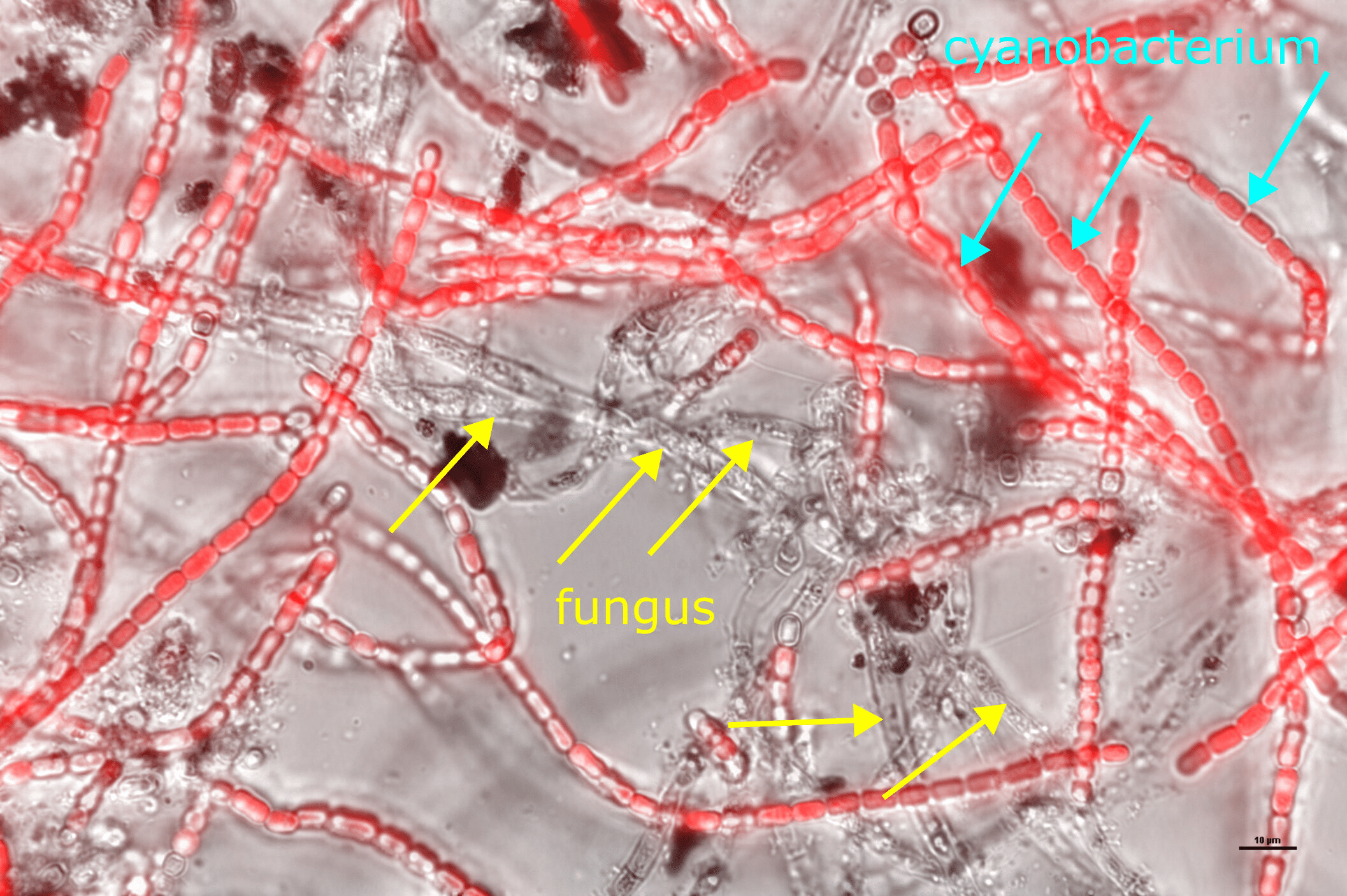
The study details how their synthetic lichen combines filamentous fungi and cyanobacteria to fabricate a binding biomaterial. Applied through a 3D printing technique, this living material can construct everything from simple partitions to elaborate architectural elements and even furnishings. Jin states, “Our synthetic community replicates natural lichen ecosystems,” highlighting its complete self-sufficiency and ability to function using the scarce resources on Mars.

Mechanisms Behind the Synthetic Lichen System
The technology crafted by Jin’s team advances autonomous, sustainable building on Mars by mimicking symbiotic ecosystems on Earth. In this system, filamentous fungi partner with cyanobacteria: the cyanobacteria capture carbon dioxide and nitrogen from the Martian atmosphere, producing oxygen and organic compounds that feed the fungi. The fungi then facilitate mineral formation that cements the regolith particles, transforming them into solid building blocks.
This innovation stands out particularly because of its self-sufficiency. Rather than relying on continuous human input or external supplies typical of earlier microbial construction trials, the synthetic lichen system thrives solely on resources native to Mars. The fungi and bacteria synthesize biopolymers that enhance regolith adhesion, creating a stable base for construction. Jin remarks, “The potential for this technology to support prolonged extraterrestrial missions and colonization is immense.” Autonomous operation is vital for future Mars expeditions, where humans may not be continuously present.
3D Printing: A Crucial Tool for Martian Habitat Production
Integral to this construction paradigm is the utilization of 3D printing. The researchers are developing a "regolith ink" derived from local soil, compatible with direct ink writing 3D printers. This capability allows for the precise fabrication of complex forms needed for Martian shelters and infrastructure. From basic protective enclosures to sophisticated architectural designs, 3D printing could transform how human settlements take shape on Mars.
By enabling on-site manufacturing of structural components using Martian soil, this approach eliminates the logistic and financial burdens of shipping materials from Earth, a major expense in extraterrestrial exploration. As this technology progresses, such biofabrication and additive manufacturing methods will be essential for creating adaptable, resilient habitats, bringing sustainable Mars colonization within reach.
- Categories:
- News








0 comments
Sign in to Comment