

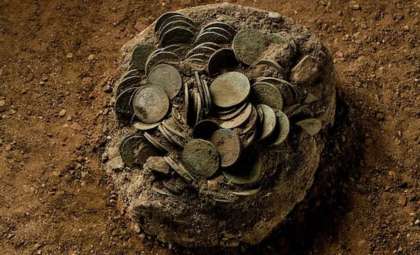
While working to gain extra ceiling space, Robert Fooks struck a glazed ceramic pot buried beneath the floor of his centuries-old Dorset home. Concealed within was a stash of about 1,000 gold and silver coins, untouched since the mid-1600s during the English Civil War.
The remarkable find came to light after the coins were auctioned in 2024. The treasure had remained hidden beneath the kitchen at South Poorton Farm until Robert and his wife, Betty, lowered the floor level amid renovations. “One evening, I was with the children and my husband was digging with a pickaxe when he called to say they’ve found something,” Betty Fooks shared with The Guardian. “He put all the coins in a bucket.”

After purchasing the home in 2019, the pair embarked on extensive refurbishment. As they tore down the kitchen to its stone foundations and dug nearly two feet down, Robert’s tool struck the ceramic container concealed beneath old flagstones and dirt. Betty reflected, “Had we not lowered the floor, the coins would likely still be buried there. It seems the original owner intended to reclaim them but never had the chance.”

Coins Spanning Five Monarchs Reveal Historical Wealth
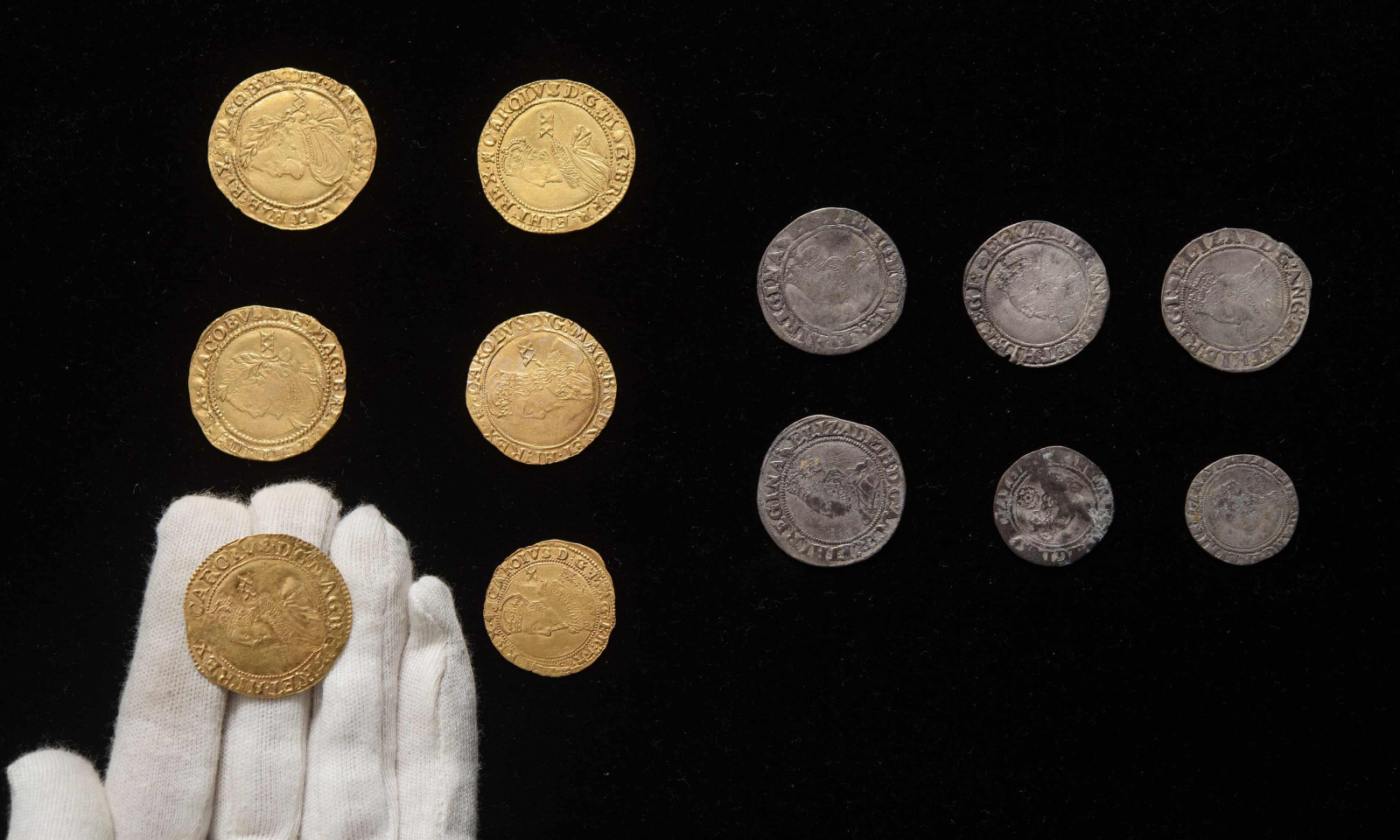
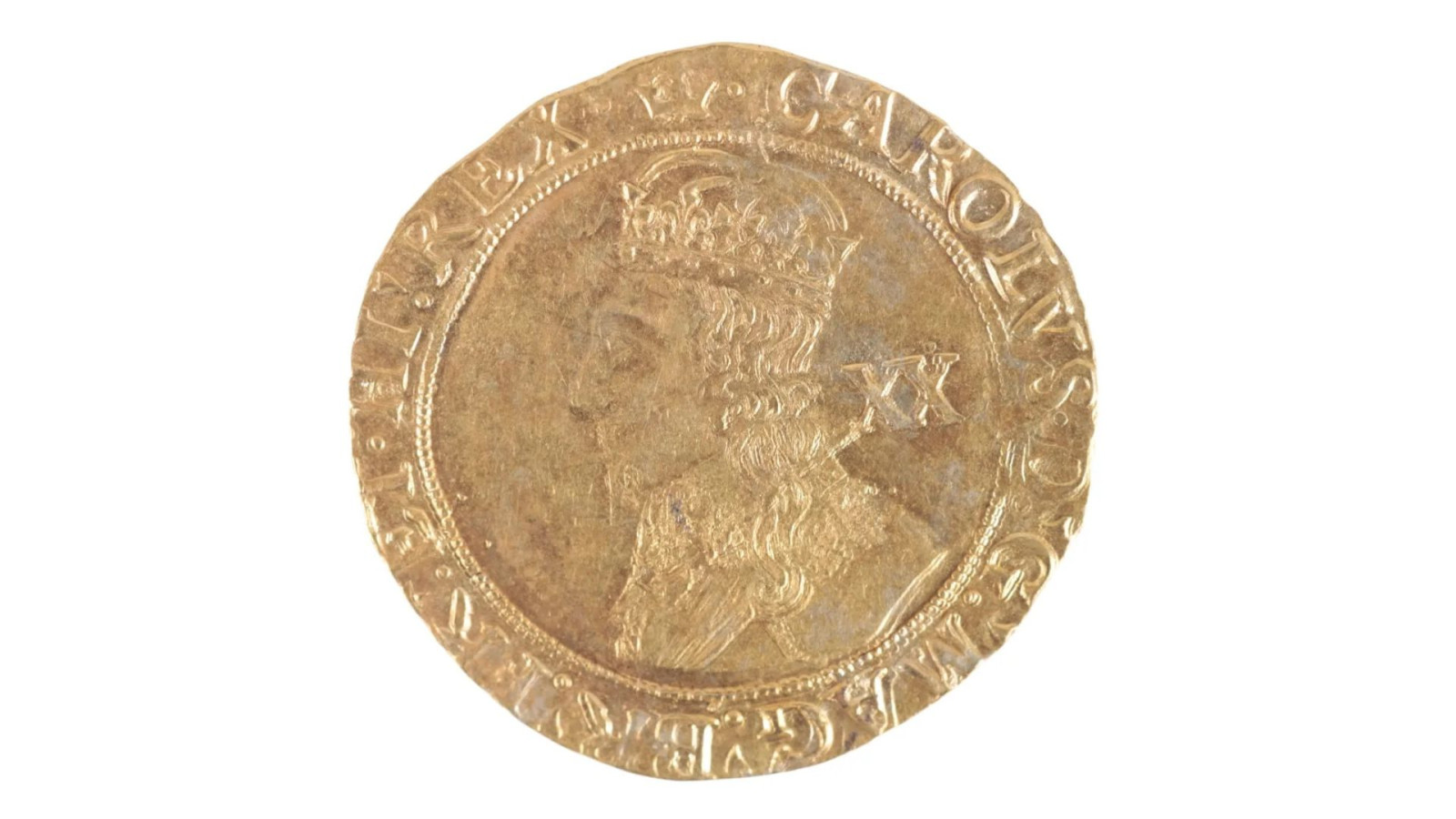
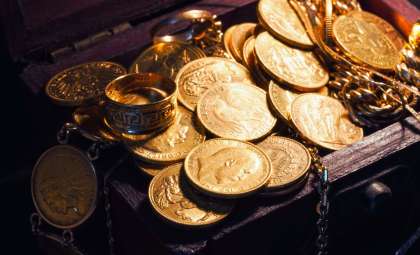
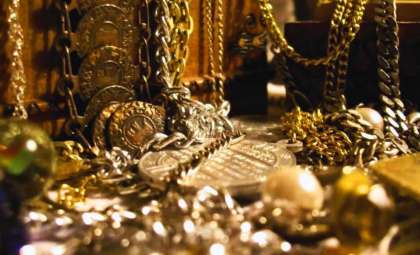
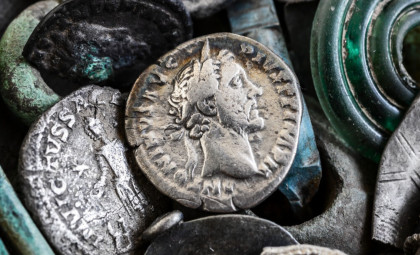
The treasure, known as the Poorton Coin Hoard, contains gold and silver coins minted under the reigns of Edward VI through Charles I. The assortment includes worn sixpences and a gold unite worth 20 shillings. Some gold coins bear James I and Charles I’s portraits, while silver shillings, half crowns, and sixpences showcase Elizabeth I and Philip and Mary.
The find was reported to a local artifacts officer who forwarded the coins to the British Museum for restoration and assessment. Experts dated the hoard’s burial to between 1642 and 1644, coinciding precisely with the early years of the English Civil War.
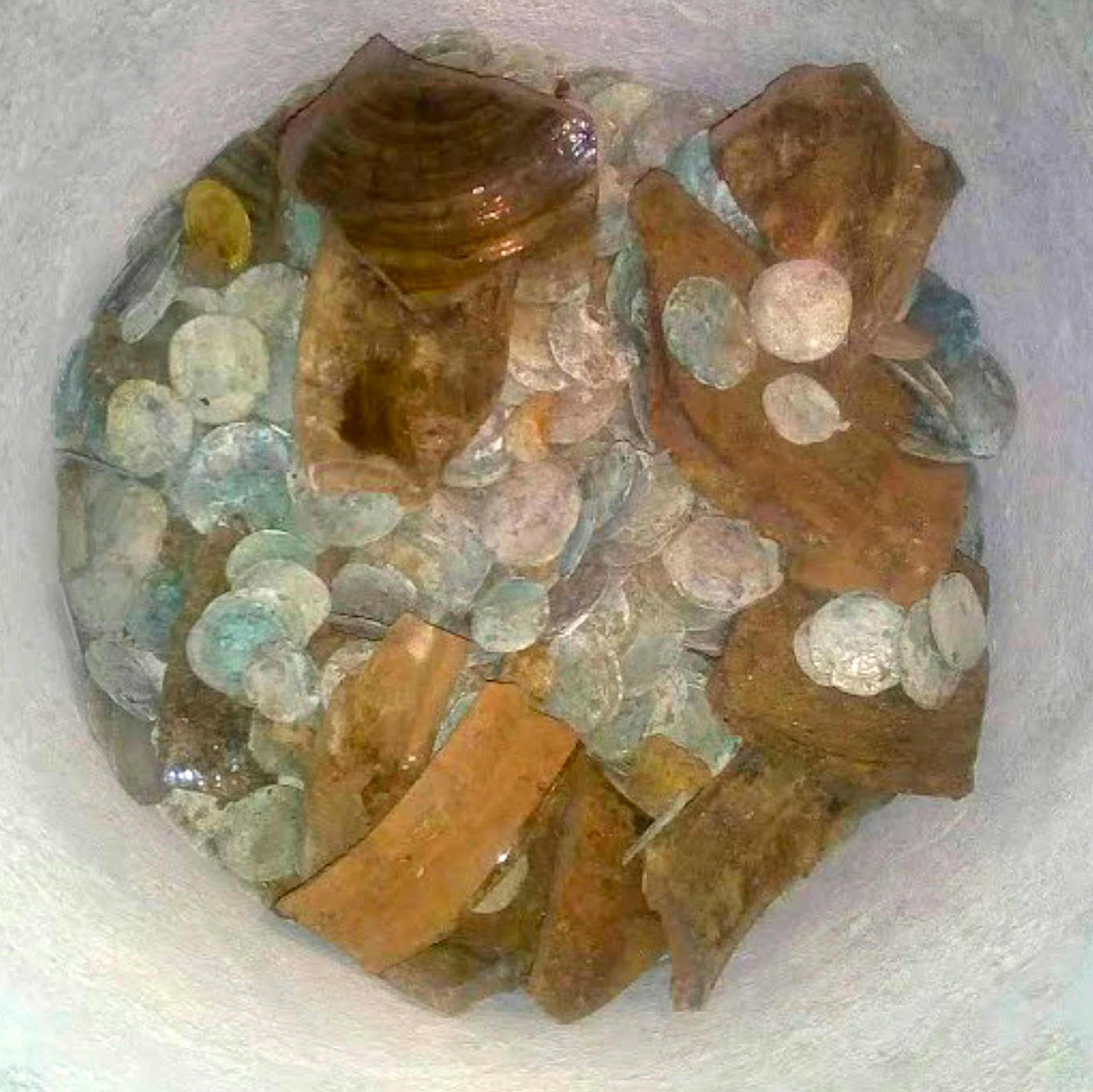
Julian Smith, a specialist at Duke’s Auctioneers, described the excavation. “We removed modern concrete to dig nearly two feet down, increasing headroom in the lower level,” he noted. “Underneath some old flagstones, the coins were uncovered in an area of bare earth.”
Hiding Wealth Amidst Civil War Turmoil
Burying valuables during the English Civil War was often a desperate act of protection. Homes were frequently raided by soldiers who confiscated supplies and valuables. Dorset was a strategic route for troops throughout the conflict.
University College London historian Waseem Ahmed told Live Science, “If you were perceived as a royalist, your properties could be seized by Parliamentarian forces, or vice versa.” Property confiscations were a harsh reality for many families caught in the war.
In Lyme Regis, Parliamentarian forces endured a siege in 1644, sustained through smuggling efforts that bypassed naval blockades. Influential families like the Sydenhams and Strangways shifted loyalties as power balances shifted during the war.
Smaller villages such as Poorton often had no choice but to conceal valuables and hope for peace. The pot Robert found represents one such hidden cache that remained sealed and forgotten.
From Dusty Vessel to a Nearly $76,000 Auction Sale
After conservation, the British Museum returned the coins to the Fooks family. On April 23, 2024, the entire collection was auctioned by Duke’s Auctioneers, fetching bids around £60,740 (about $75,900), exceeding the original estimate of £35,000. A single gold coin depicting Charles I sold for £5,000. Complete auction details are available via Duke’s Auctioneers.
The coins rested beneath the kitchen floor for nearly four centuries. Betty Fooks remarked on the lasting mystery: the original owner never returned for their treasure. After the war concluded with Charles I’s execution in 1649 and the subsequent establishment of a republic lasting eleven years, many who buried their wealth never survived to retrieve it.
Today, the Poorton Coin Hoard stands as a tangible link to a nation divided by war. Its significance lies both in its precious metals and the silent story bridging a mid-17th-century burial to its rediscovery in the 21st century.
- Categories:
- News




0 comments
Sign in to Comment