
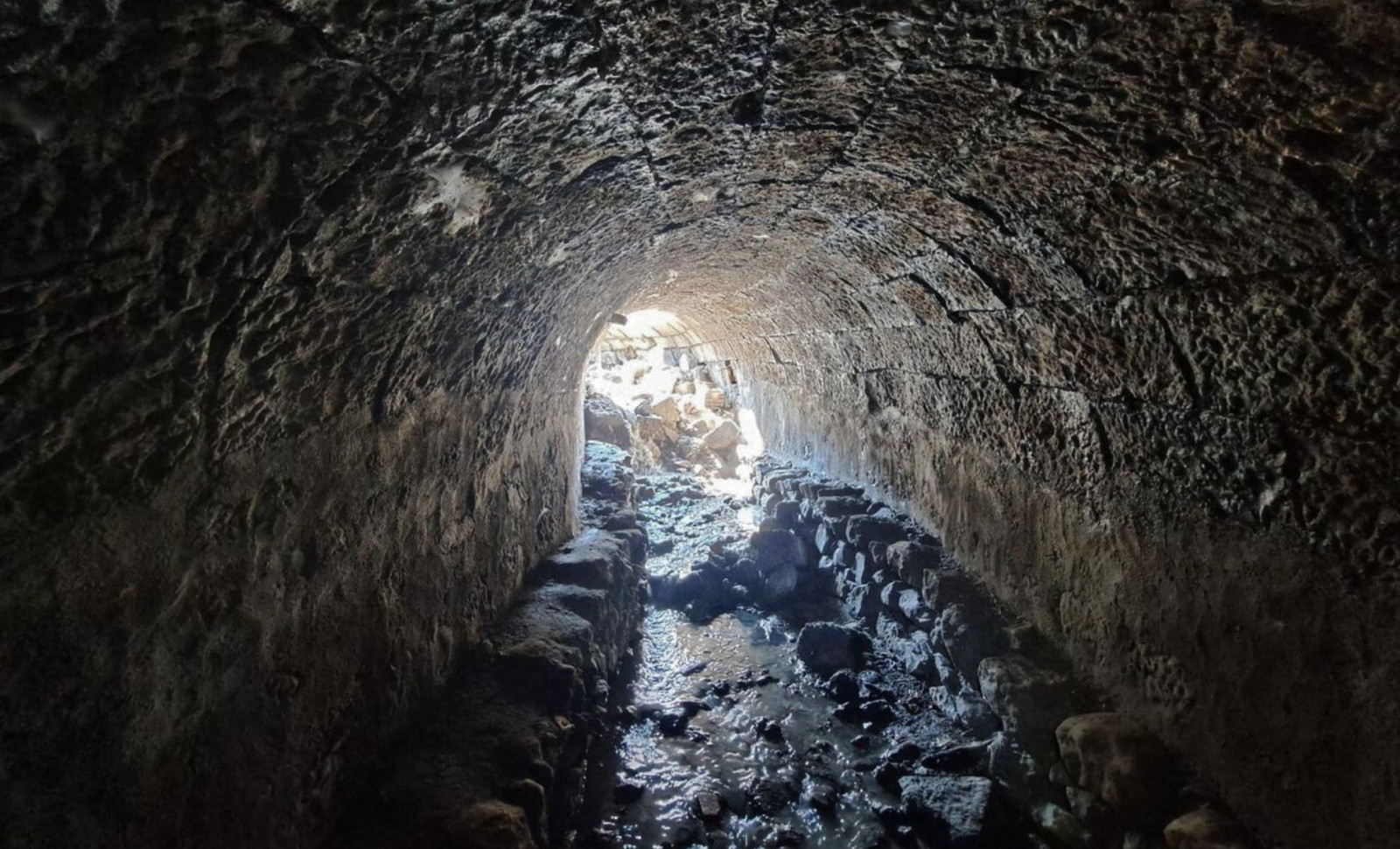
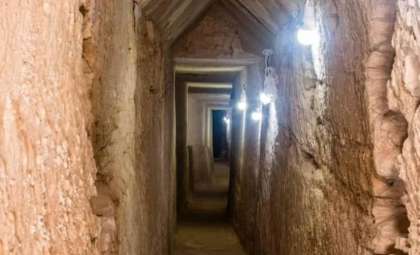
During renovation efforts in Trabzon, Turkey, workers stumbled upon an astonishing find: a 1,300-foot-long ancient tunnel lying hidden beneath the city's surface. This extraordinary structure, remarkably well-preserved over millennia, had remained unnoticed beneath urban development until now.
Though linked to the Roman Empire, the tunnel's precise role continues to puzzle historians. As specialists investigate further, this discovery has the potential to transform our understanding of the city's historical landscape. What function did this tunnel serve, and what untold histories might it contain?
A Remarkable feat of Roman Engineering
The tunnel’s unearthing surprised experts, especially since this locale was not previously recognized as a significant Roman site. According to Mehmet Yavuz from Karadeniz Technical University, the construction exhibits classic Roman architectural features, including precisely shaped stones and a vaulted ceiling. These traits are uncommon in this region of Anatolia.

“The discovery came as a surprise,” he said. “We did not previously consider that area to have been an intensely inhabited zone during the Roman or Hellenistic periods.”
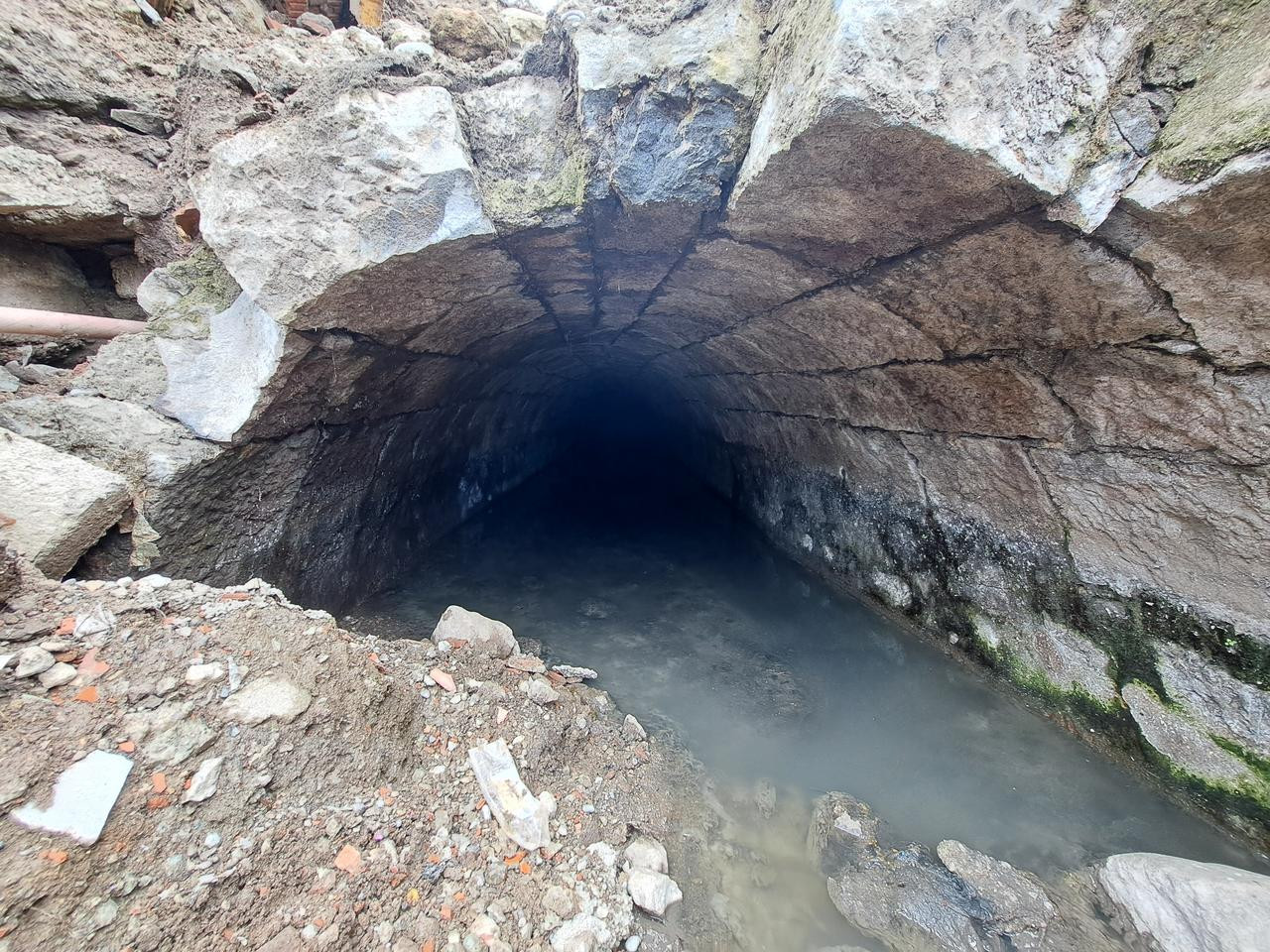
Measuring roughly 4 feet square, this tunnel was designed to funnel fresh water to the city's bustling harbor. Yavuz further explained that:
“The tunnel lies roughly 1.5 to 2 meters beneath the surface. In its center is a water channel about 1.2 meters in diameter, with 50-60 centimeter walking areas on both sides.”
He suggests the tunnel likely formed part of an extensive water supply network serving Roman military forces stationed nearby.
From Water Supply to Waste Management
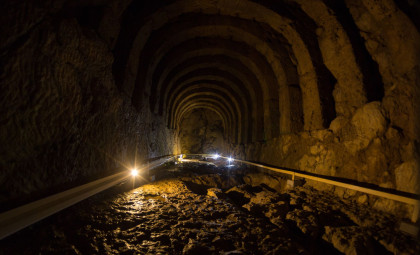
As reported by Türkiye Today, the subterranean passage features numerous twists, stairs, and curves that would have regulated the water’s movement. However, over centuries its use evolved. During the Ottoman era and the early Turkish Republic, the tunnel was repurposed to function as a wastewater conduit, channeling drainage and sewage rather than potable water.
This transformation highlights the tunnel’s adaptability in meeting the shifting urban demands. Initially intended to support a busy port’s water needs, it later played a vital role in the city’s sanitation systems. Portions of the tunnel still handle waste today, demonstrating the longevity of ancient engineering.
While modern construction has damaged some segments of the tunnel, archaeologists remain optimistic about uncovering additional sections. A collaborative team from the Trabzon Museum Directorate and Karadeniz Technical University is committed to conserving the tunnel and its environs. Their research promises to reveal further insights into the region’s Roman-era heritage and infrastructure.
- Categories:
- News




0 comments
Sign in to Comment