
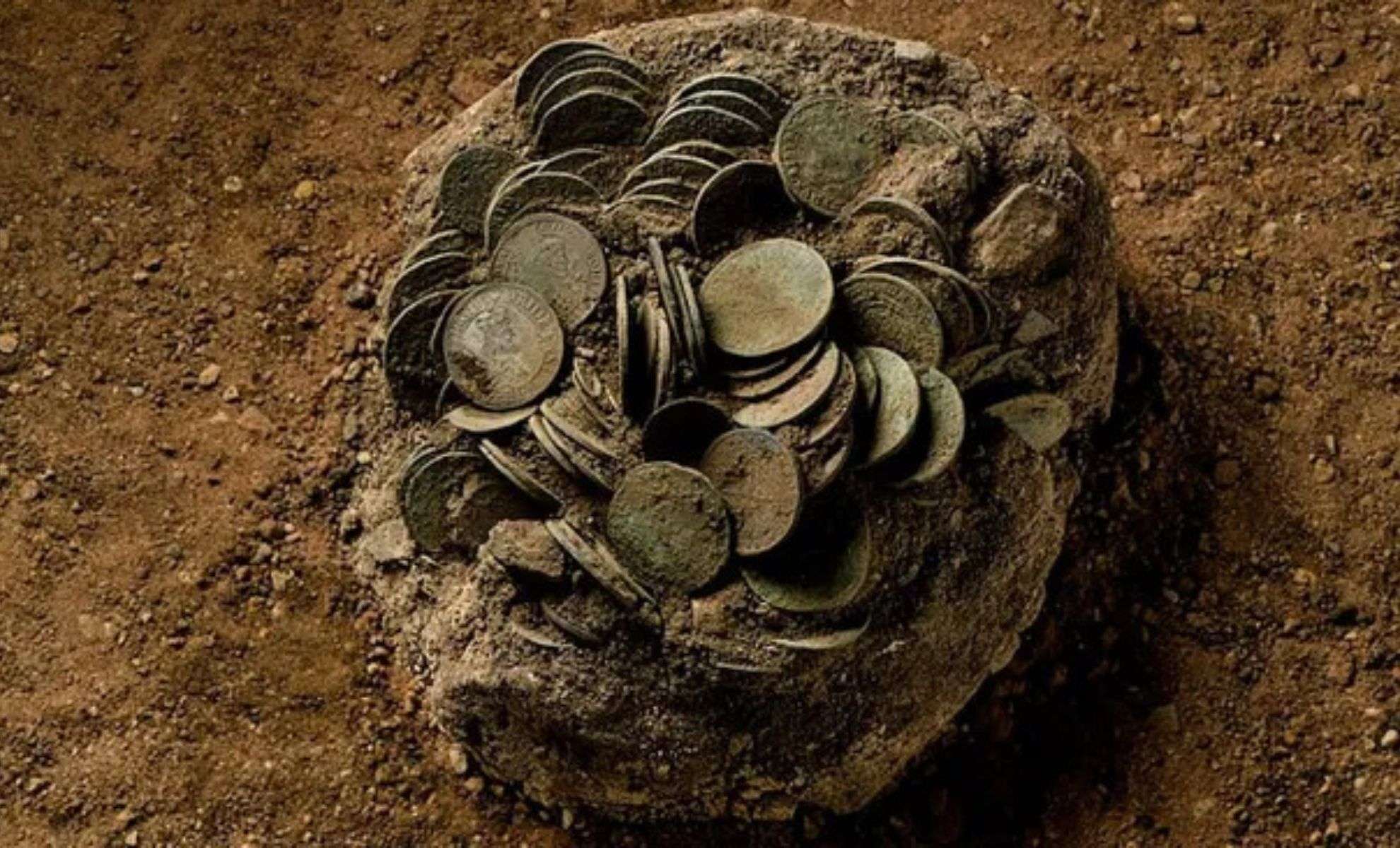
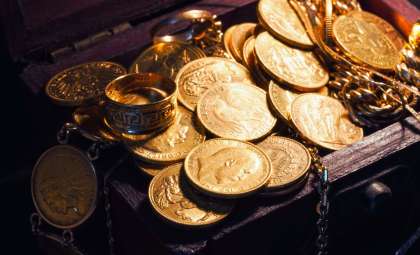
During a construction undertaking in southwestern Germany, workers stumbled upon one of the largest medieval coin caches found in recent years. While installing underground piping near a private pool in Glottertal, local resident Claus Völker spotted what he referred to as “small metal plates” buried in the dirt.
His finding was subsequently confirmed by the State Office for Monument Preservation under the Stuttgart regional council and highlighted by Live Science, attracting international interest in this rare archaeological discovery.
An Extensive Coin Hoard Among Germany’s Largest
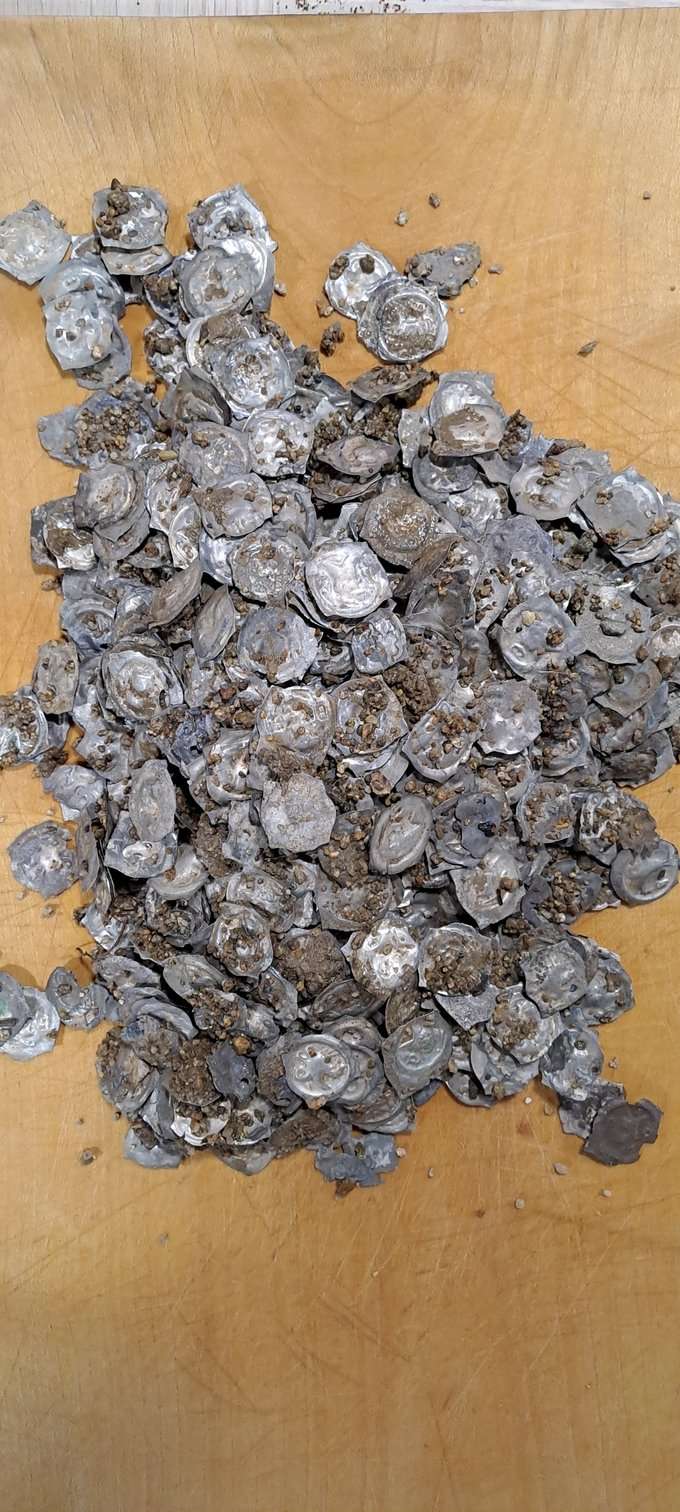
Realizing the significance of the find, Völker promptly informed officials, leading archaeologists from the State Office for Monument Preservation to investigate the site. On the initial day of excavation, about 1,000 coins were recovered. According to Live Science, despite heavy rain turning the excavation zone into thick mud, the team returned with metal detectors and gathered an extra 600 coins.

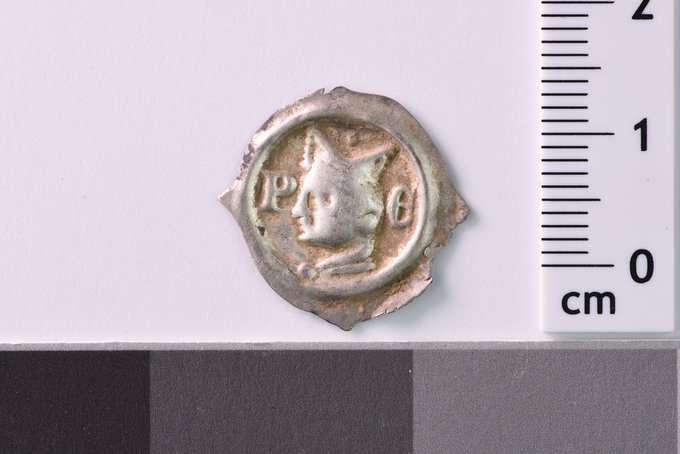
Archaeologist Andreas Haasis-Berner explained that most coins date back to around 1320. The majority originated from mints in Breisach, Zofingen, and Freiburg, with others coming from Basel, St. Gallen, Zurich, Laufenburg, and Colmar. This variety points to a well-established medieval trade network linking present-day Germany, Switzerland, and France.
Coins Equivalent to 150 Sheep in Value
The entire hoard represented a considerable fortune in its time. Haasis-Berner noted it could have purchased approximately “150 sheep” around 1320, dwarfing other recent regional coin finds. For comparison, a discovery near Zurich in 2016 recovered over 200 coins, which were valued at about 25 sheep.
Researchers suspect that the collection was deliberately concealed, perhaps during times of conflict or political upheaval. The coins might have belonged to a miner, soldier, or an individual seeking to safeguard their wealth.
A Historically Rich Mining Location
The location of the find is significant given Glottertal’s storied mining past and its role as an important site under the dukes of Freiburg. Haasis-Berner emphasized that the coins were buried within an area historically known as a mining settlement.
This strongly suggests the hoard’s owner had direct links to the mining community. Considering the region’s rich heritage, it remains possible that more undiscovered treasures lie beneath the surface. Specialists believe studying this hoard could reveal valuable insights into silver circulation and medieval economic practices from the early 14th century.
“The evaluation of this coin treasure will enable statements to be made about the coin circulation in Breisgau, the minting activity in the mints, the silver trade, but also about the mining in the Glottertal,” Haasis-Berner said in a statement.
Each coin adds valuable information for historians, enhancing our understanding of trade routes, economic systems, and political conditions during the medieval era.
- Categories:
- News









0 comments
Sign in to Comment