
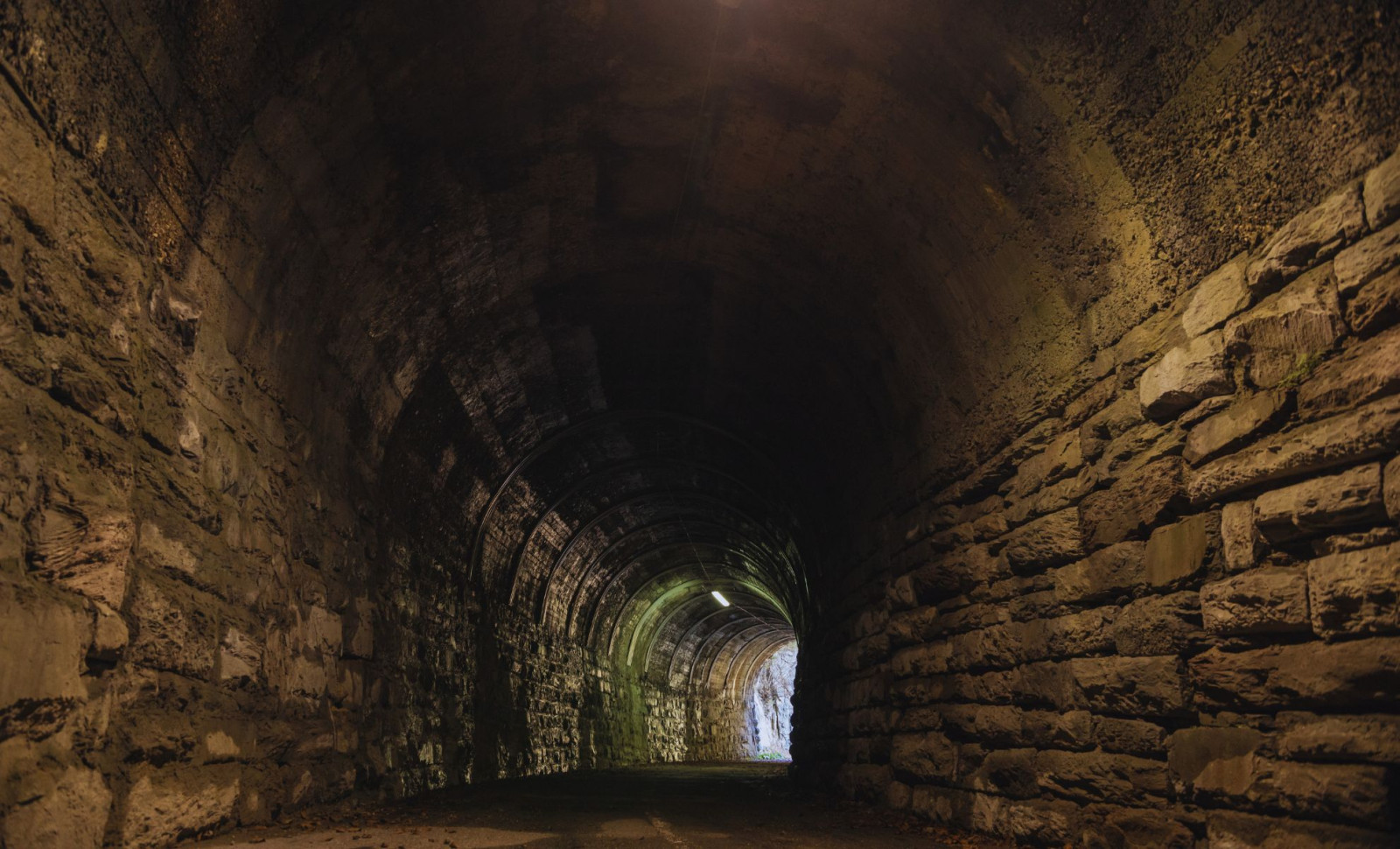
While renovating their historic townhouse in Tielt, Belgium, a family stumbled upon a secret underground tunnel dating back to World War I. This hidden passage beneath their living area is believed to have been an escape route for German army officers during the war.
The remarkable find came to light at Nieuwstraat No. 7, close to the town’s historic district, when a concealed well cover was uncovered under the floorboards. What seemed at first like a simple old utility feature soon revealed a layered historical significance.
A Hidden Shaft Unearthed
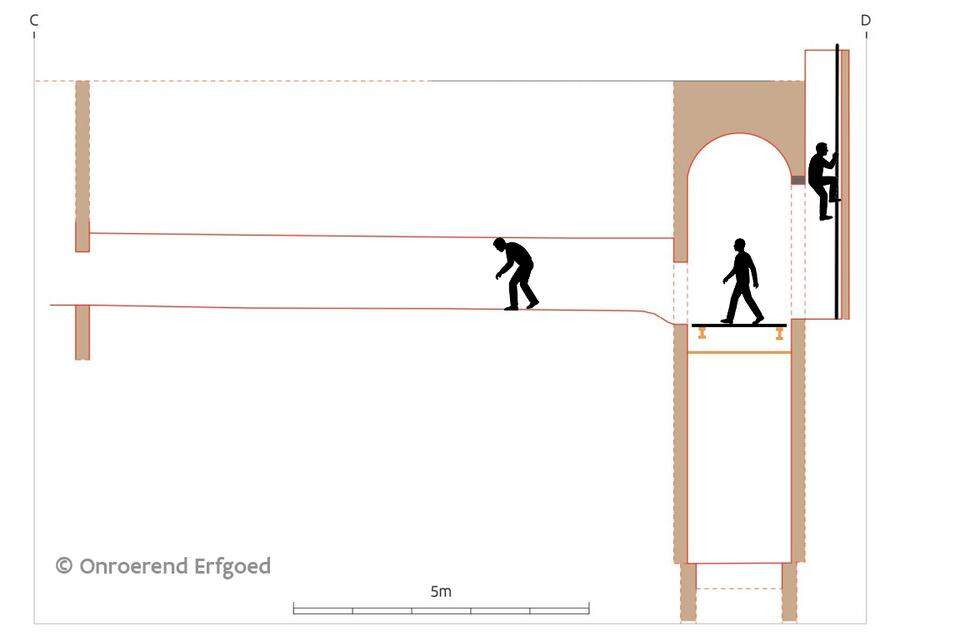
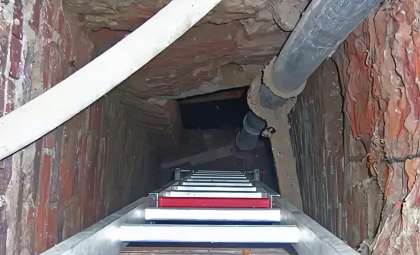
The discovery began with an inconspicuous detail: a concealed well cover exposed amidst home improvements. Beneath this cover was a vertical shaft plunging about 13 feet down, leading to an 18th-century brick-lined water well, contemporary with the house’s original construction in 1769.

According to a translated statement from Belgium’s Agency for Immovable Heritage, experts identified two metal manhole covers. One granted access to the original well made from bricks consistent with the house’s era. The second, located only a few feet away, opened to a separate vertical shaft situated between the well and the main building.
A Confined Passage Linking Adjacent Houses
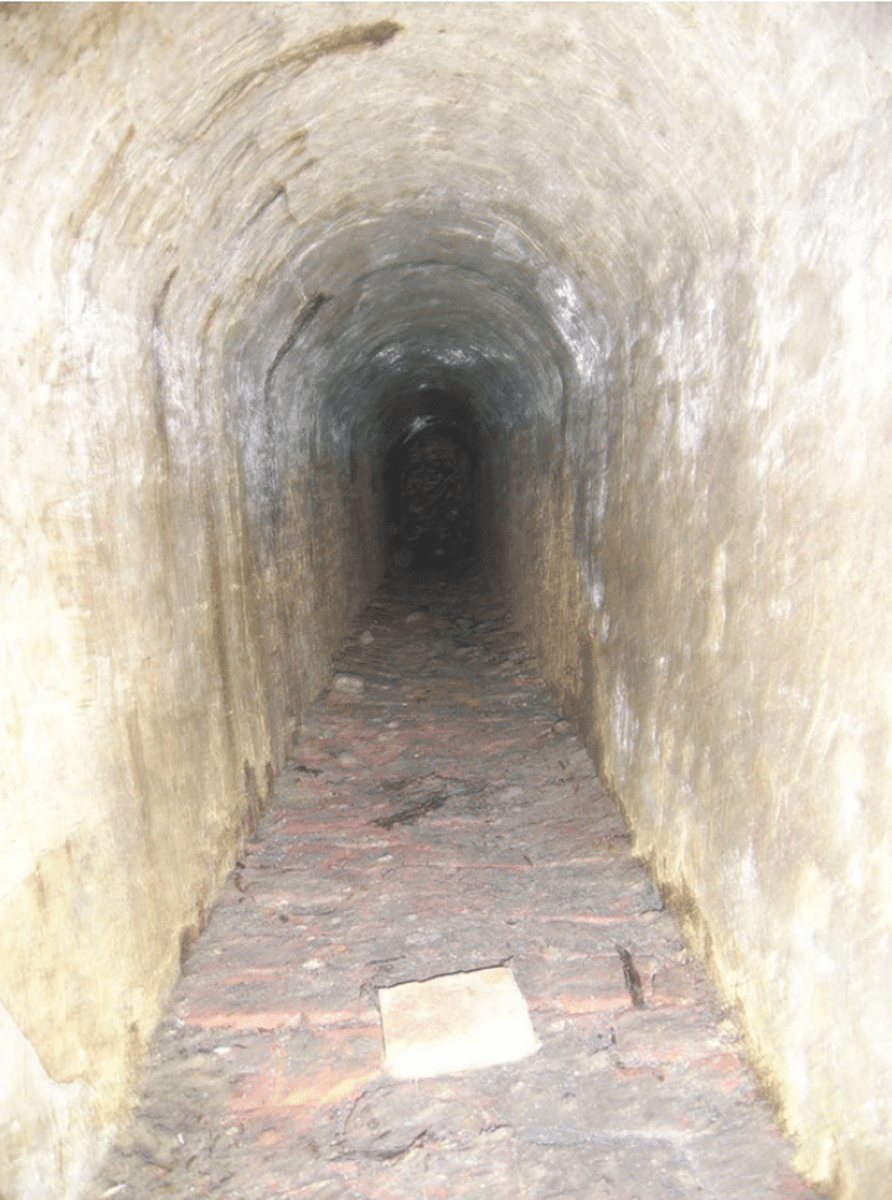
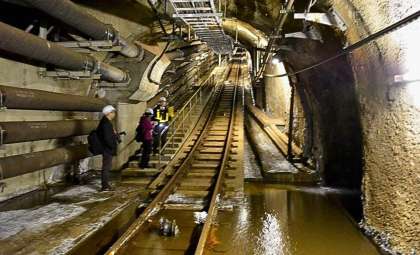
Extending from the well, a brick tunnel with a barrel-vaulted ceiling from the WWI era stretched close to 32 feet northwest, running along the back of the Nieuwstraat homes’ rear façades. The corridor stood only four feet tall but was still navigable.
At the tunnel’s end, an opening, now sealed off, used to connect directly to the cellar of Nieuwstraat No. 5. Reports by Popular Mechanics note that the Germans occupied the townhouse complex in October 1914, using it as headquarters for the German Fourth Army until 1918.
This location reportedly included a war operations room and featured a detailed 1:20,000 scale model of the front lines to coordinate strategies on the Western Front. The area also endured French artillery strikes in 1918.
Indications of a World War I Function
The construction details help refine the tunnel's historical context. While the well and cistern system date from the house’s original 18th-century build, the shaft and tunnel incorporate materials and design elements from after 1909. The Agency for Immovable Heritage highlighted that the use of metal I-beams confirms these later modifications.
“The remarkable history of the house makes another function more likely,” indicated the agency, “namely an escape route from the First World War.”
The tunnel’s flat layout, absence of incline, and construction materials suggest that it was unlikely used for water drainage or supply. Its strategic positioning would have facilitated discreet movement between neighboring properties.
“Given the strategic function of the property,” the statement outlined, “with the map cabinet and top generals above the floor, that is not a forgotten theory.”
- Categories:
- News






0 comments
Sign in to Comment