
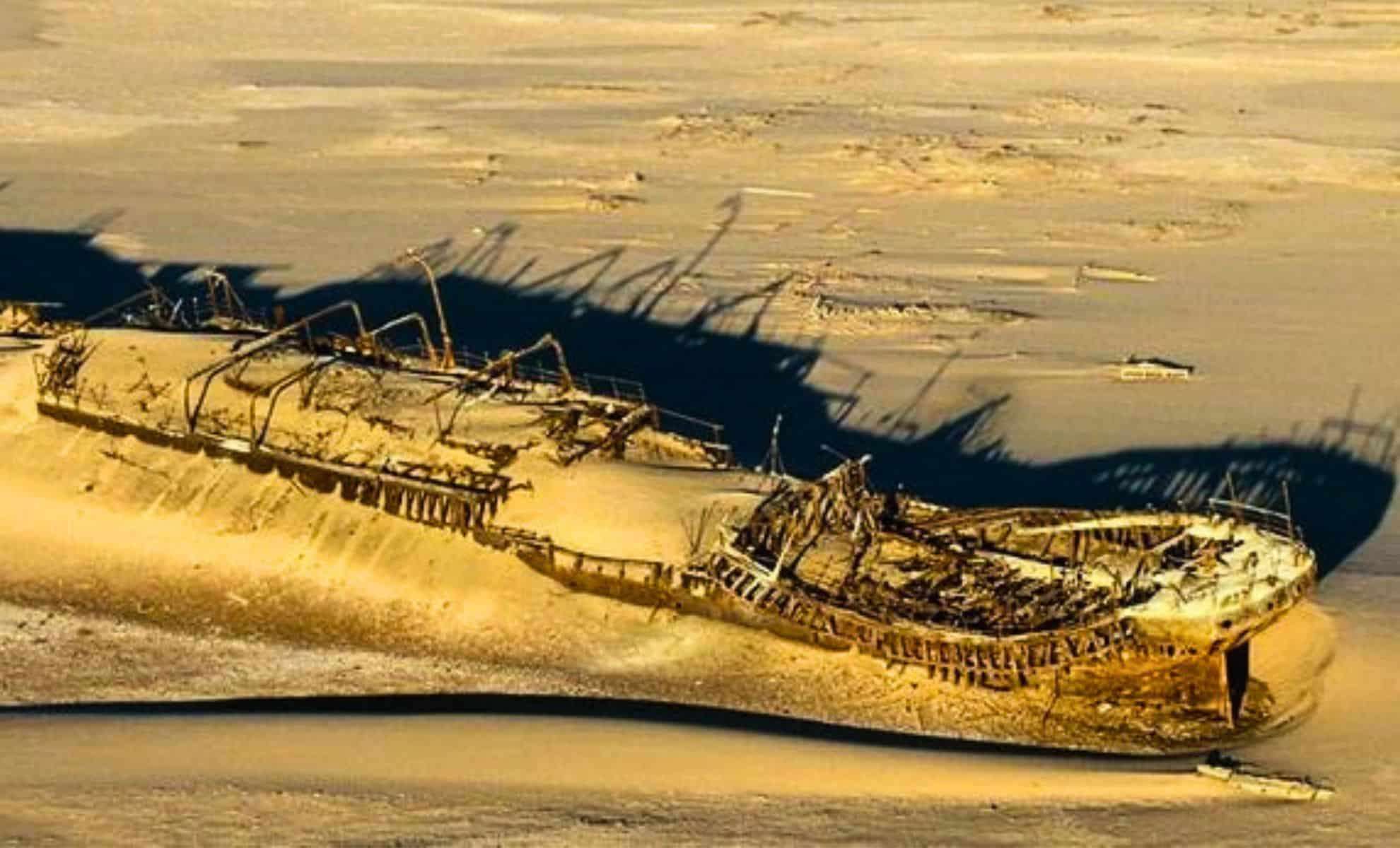
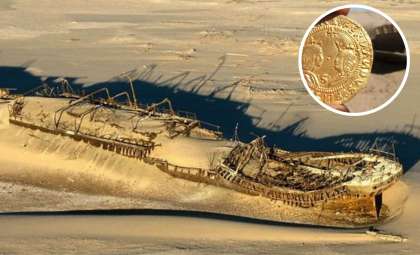
During a 2008 excavation in Namibia’s restricted diamond zone known as Sperrgebiet, nestled near the notorious Skeleton Coast, workers uncovered decayed wooden planks and corroded metal fragments. This remarkable find was later identified as the well-preserved remains of the Bom Jesus — a Portuguese vessel that vanished at sea in 1533.
Concealed beneath centuries of desert sands, this 16th-century carrack had disappeared on its voyage to India. Thanks to the efforts of Namibia’s diamond company, Namdeb, and maritime expert Dr. Dieter Noli, the site ranks among Africa’s most pivotal nautical archaeological discoveries. The find includes more than 2,000 gold coins, ivory tusks, copper bars, and rare navigational gear, shedding light on early global trade networks.
“This is the oldest shipwreck ever discovered on the west coast of Sub-Saharan Africa,” said Dr. Noli, chief archaeologist at the Southern Africa Institute of Maritime Archaeological Research. “And it’s in phenomenal condition, thanks to the desert environment.”
Add Cosmo Herald as a Preferred Source

A Hidden Maritime Time Capsule from the Age of Exploration
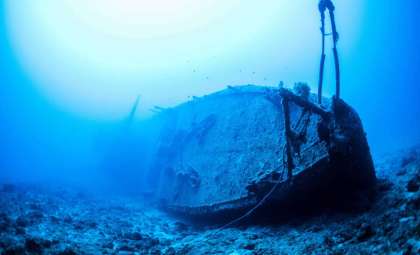
The Bom Jesus—meaning “Good Jesus” in Portuguese—was a large carrack used during the height of the Age of Discovery. Operating under the rule of King João III, Portugal dominated early sea routes connecting Europe and Asia. Historical analysis suggests a severe storm drove the ship onto the rugged shores of southern Namibia, causing it to run aground and sink, trapping crew and cargo beneath sand and water.
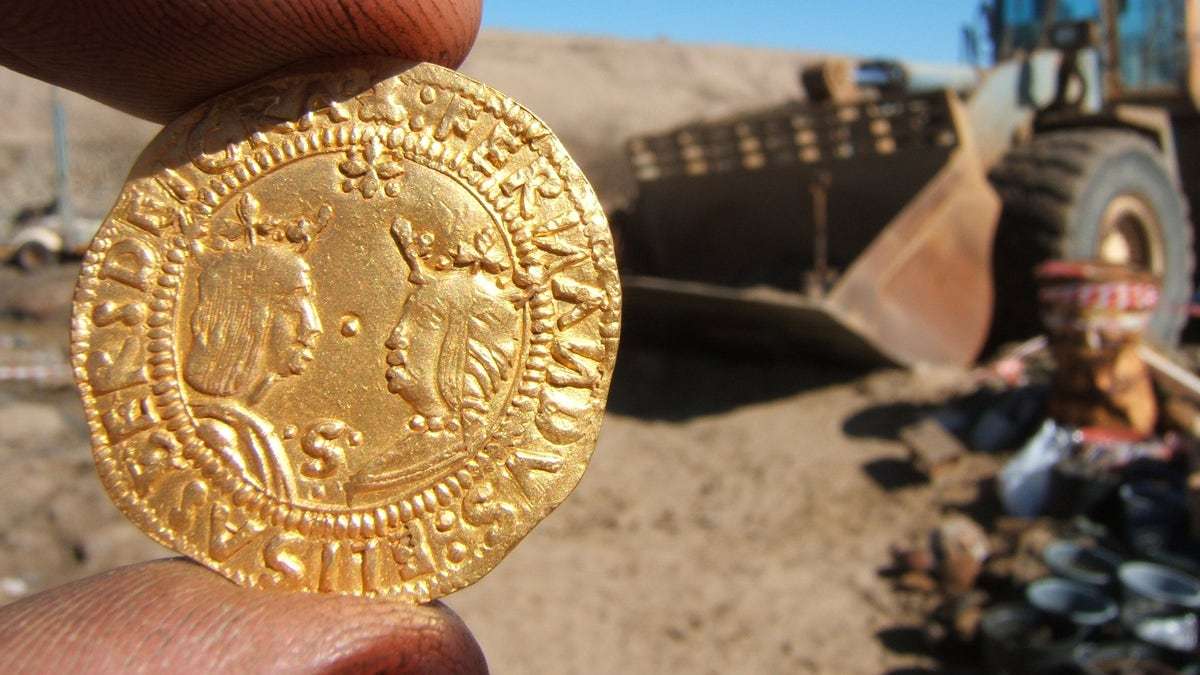
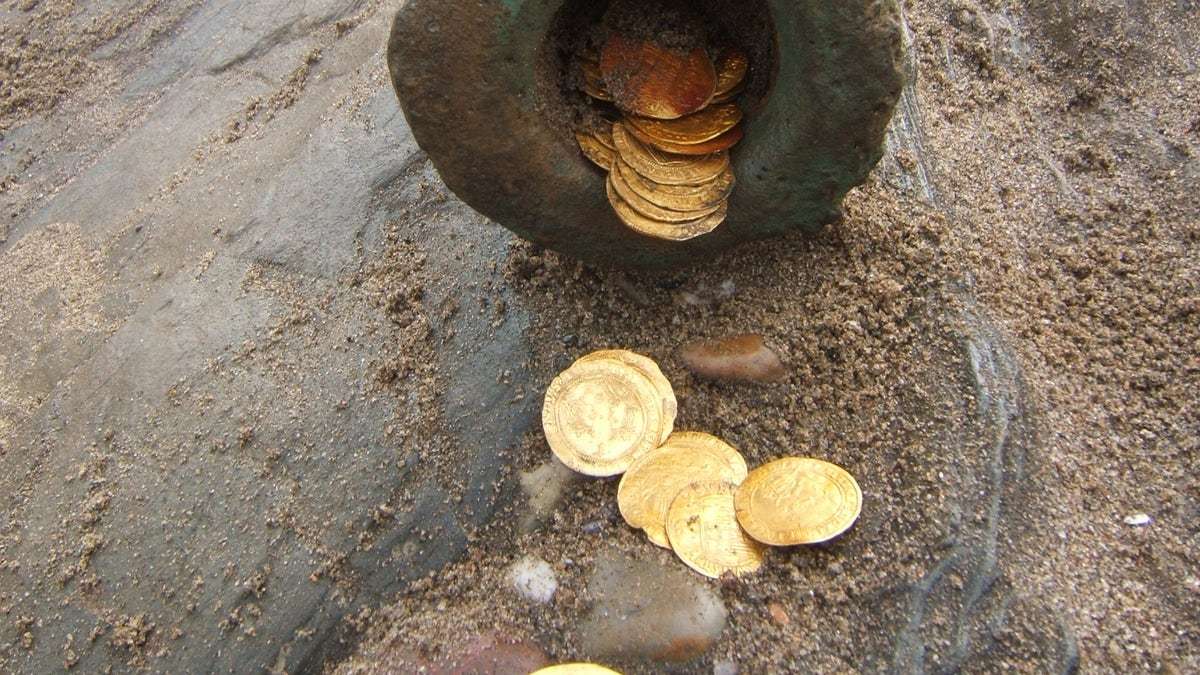
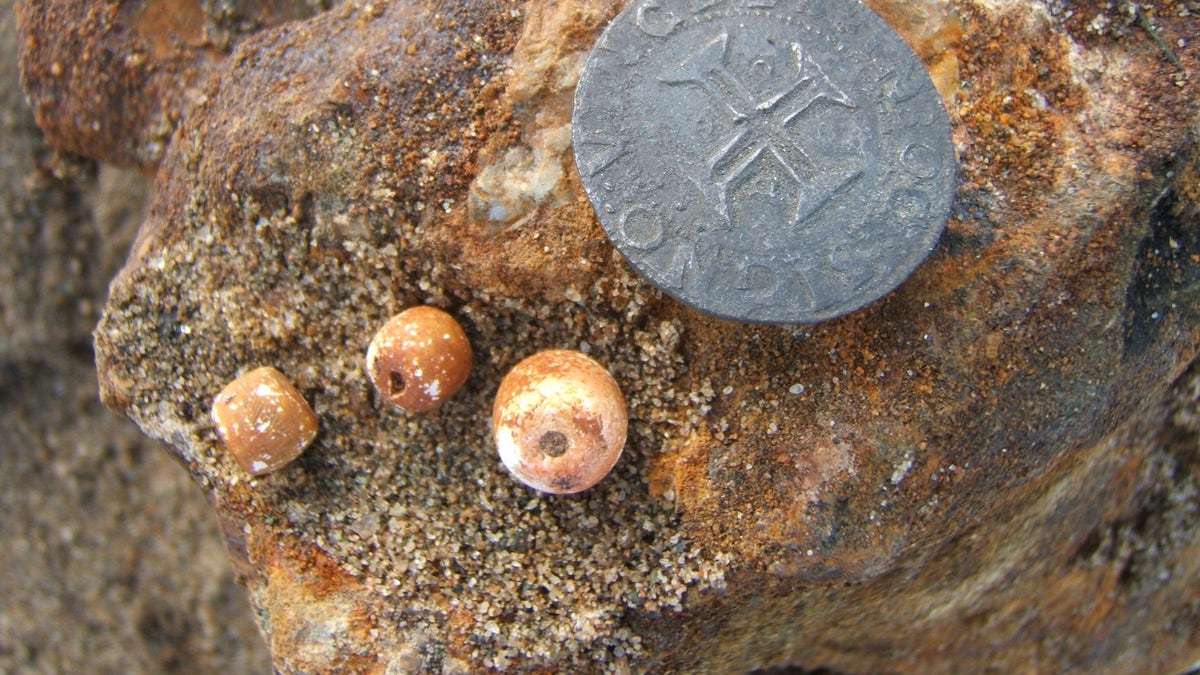
What stands out about this discovery is not just the sheer quantity of treasures but their exceptional preservation state. Archaeologists have retrieved upwards of 2,000 high-purity gold coins imprinting the insignia of João III, animal ivory, copper, and silver—all remarkably intact after centuries buried below Namibian dunes. These artifacts confirm the existence of 16th-century trade routes connecting Portugal, West Africa, and India, offering new insights into historical maritime commerce.
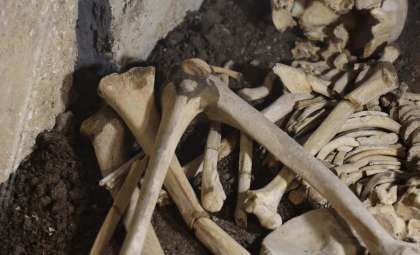
According to a 2009 briefing by Dr. Noli, the ship’s cargo may have been linked to the Fugger banking family, one of the Renaissance era’s preeminent merchant dynasties. Detailed inventories compiled by interdisciplinary teams also reveal the presence of navigation instruments, weapons, and crew remains.
Preservation, Partnership, and Cultural Stewardship in Contemporary Africa
Though the ship hails from European origins, current ownership of the Bom Jesus and its valuables rests with Namibia, governed by UNESCO’s Framework for Underwater Cultural Heritage Protection. Portugal’s choice to forgo claims has been celebrated as a significant act of post-colonial collaboration.
The Namibian authorities, with assistance from scientific and cultural bodies, are developing plans for a specialized museum to showcase the artifacts. Oranjemund, nearest to the excavation site, is being considered as the ideal location by the Ministry of Education, Arts and Culture.
This cooperative approach serves as a notable counterpoint in the global debate over historical artifact ownership, exemplifying how shared guardianship can foster international understanding and respect.
Insights on Environmental Forces and Serendipitous Preservation
This exceptional find owes its survival not only to chance but to unique environmental factors. The Skeleton Coast is notorious for shipwrecks caused by violent storms and hazardous waters. Paradoxically, the Namib Desert—one of Earth’s oldest, driest deserts—preserved the Bom Jesus by burying it under layers of wind-driven sands as the shoreline slowly shifted.
These natural preservation conditions have attracted attention from climate researchers and geologists. Recent studies in Quaternary International explore how the Namib’s coastal dunes evolve in response to long-term climate patterns, impacting the exposure or burial of archaeological sites.
“The desert is dry enough to preserve metal, bone, even textiles in some cases,” said Noli. “What we found was not just a ship — it was a floating time capsule.”
Today, the Bom Jesus serves as a powerful intersection of continents, commerce, history, and preservation. Though much of the material remains secured, its future exhibition has the potential to reshape global understanding of Africa’s contributions to early international connectivity.
- Categories:
- News










0 comments
Sign in to Comment