
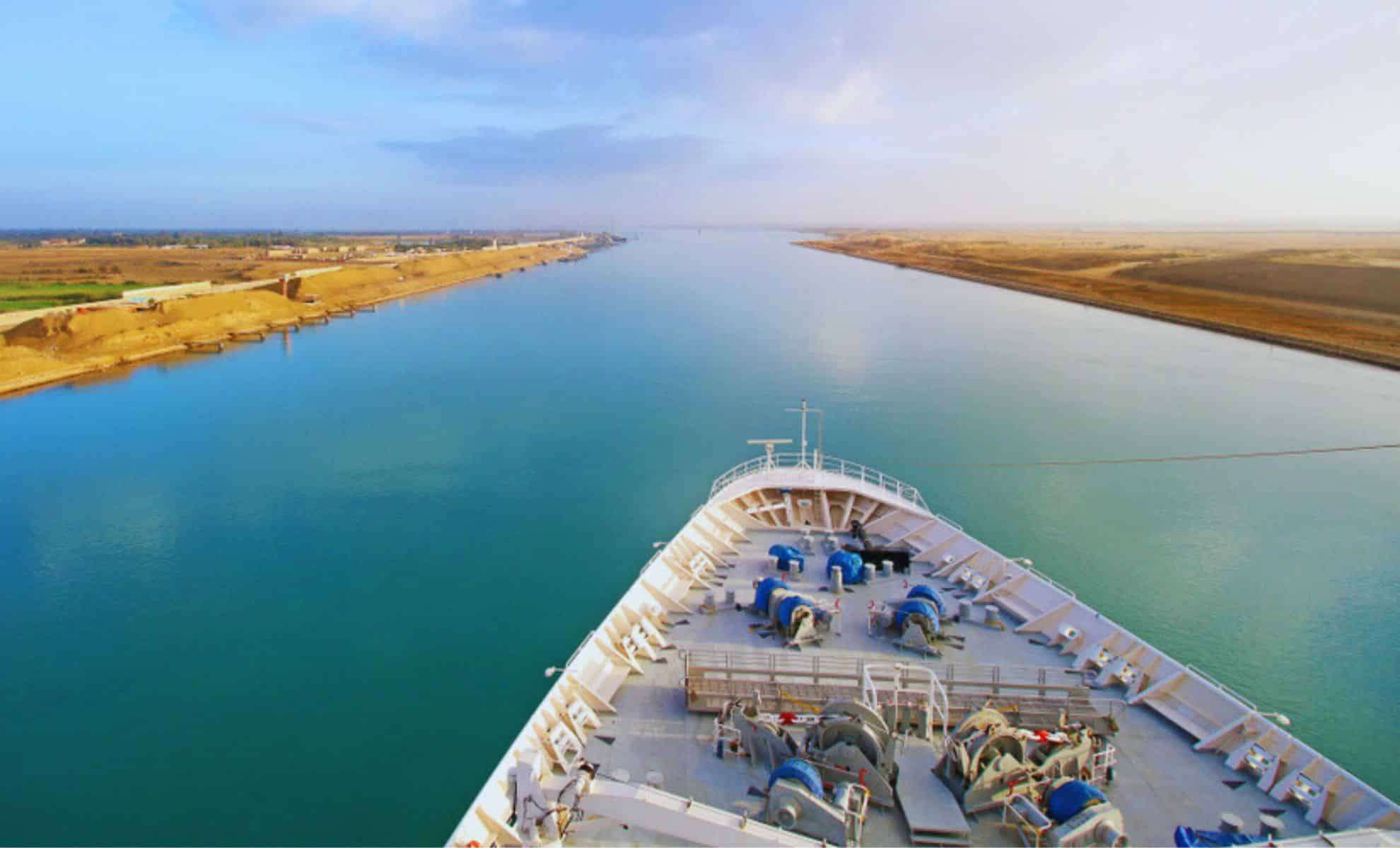
Amid shifting global trade patterns and escalating geopolitical strains with Western nations, China is quietly reinventing the way goods move between Asia and Europe—completely bypassing maritime routes. Nestled deep within the country's mountainous heartland, Chongqing is fast emerging as the centerpiece of a remarkable land-based trade corridor dubbed the “Suez Canal on rails.”
Supported by extensive planning and heavy industrial investment, Chongqing’s evolution is redirecting major supply chains away from traditional sea passages, turning this inland metropolis into one of Asia’s foremost logistics powerhouses.
Speedier Than Sea, More Affordable Than Air—and Strategically Vital
As reported by the South China Morning Post, Chongqing has swiftly become a linchpin in China’s evolving trade network. It now transports hundreds of containers daily via rail, connecting Southeast Asian countries such as Vietnam and Singapore with European destinations including Germany and Poland.

Since the ASEAN Express began operating in 2023, shipments from Hanoi to Chongqing take only about five days, with the total journey to Europe falling under two weeks. This offers a 10 to 20-day faster delivery compared to conventional ocean freight, alongside reduced customs delays and a smaller environmental footprint.
Beyond logistics, Chongqing is a major industrial hub. The city accounts for roughly one-third of global laptop production, according to SCMP, and is a central site for electric vehicle manufacturing. Collaborations like that between Seres Automobile and Huawei, as well as traditional automaker Changan, leverage Chongqing’s rail infrastructure to export vehicles to Europe and Southeast Asia. Currently, one in every four cars exported from China moves through this city.
This combination of manufacturing and transport advantage allows Chongqing to develop a fully integrated supply chain less dependent on fragile sea routes or third-party shipping operations.
Shifting Away from Ocean Chokepoints and Russian Dependence
China’s push for rail-based trade is driven not only by logistics but also by strategic concerns. The US-China trade tensions highlighted the risks of depending on shipping lanes dominated by Western powers—such as the Suez Canal, Strait of Hormuz, and Strait of Malacca. The pandemic crisis further exposed the vulnerabilities inherent in maritime supply chains.
By expanding rail routes, China aims to diversify its trade connections. Trains avoid threats like piracy, port congestion, and blockades, but a significant challenge remains: reliance on Russia.
Currently, major overland corridors to Europe traverse Russian territory. Amid the ongoing Ukraine conflict and instances of cargo seizures in 2023, this route carries growing uncertainty. Although Sino-Russian trade topped €240 billion in 2024, trust in this corridor is tenuous.
As a result, China is investing in an alternative—known as the Middle Corridor—which passes through Kazakhstan and across the Caspian Sea. This route avoids both Russian land and sea chokepoints leading to Europe, yet by mid-2025 it still struggles with customs backlogs, high expenses, and inadequate infrastructure.
Rail Expansion Faces Financial Challenges
Financial viability is a major hurdle for China’s rail ambitions. Initial train routes, particularly those linked to the Belt and Road Initiative, were heavily subsidized to keep prices competitive for exporters. With subsidies waning, ensuring efficient customs processes and maintaining affordable tariffs has become even more crucial.
China is now relying on cooperation with regional partners—especially ASEAN countries and Central Asian states—to enhance logistics synchronization, streamline border controls, and achieve greater pricing transparency.
Simultaneously, Beijing is monitoring developments in the Arctic. Accelerated ice melt could soon open up a Polar Silk Road via the Arctic Ocean, offering a shorter maritime path to Europe that bypasses Western-dominated chokepoints.
Nevertheless, rail remains China's most immediate and actionable strategy. If Chongqing’s approach scales and proves profitable, it could inspire similar inland development initiatives across western China.
A Paradigm Shift Beyond Transport
Chongqing’s rise signals more than just improved logistics; it represents a fundamental change in China’s approach to global trade. The strategy focuses on controlling logistical assets, diversifying risk, and relocating supply chain centers away from vulnerable transit points.
Instead of grand ports and massive tankers, the future is electric trains moving containers across continents—an intricate web connecting manufacturers, consumers, and geopolitical plans through steel tracks. Success in Chongqing could set a new global standard for trade infrastructure in an increasingly complex, unstable, and sea-averse world.
- Categories:
- News













0 comments
Sign in to Comment