
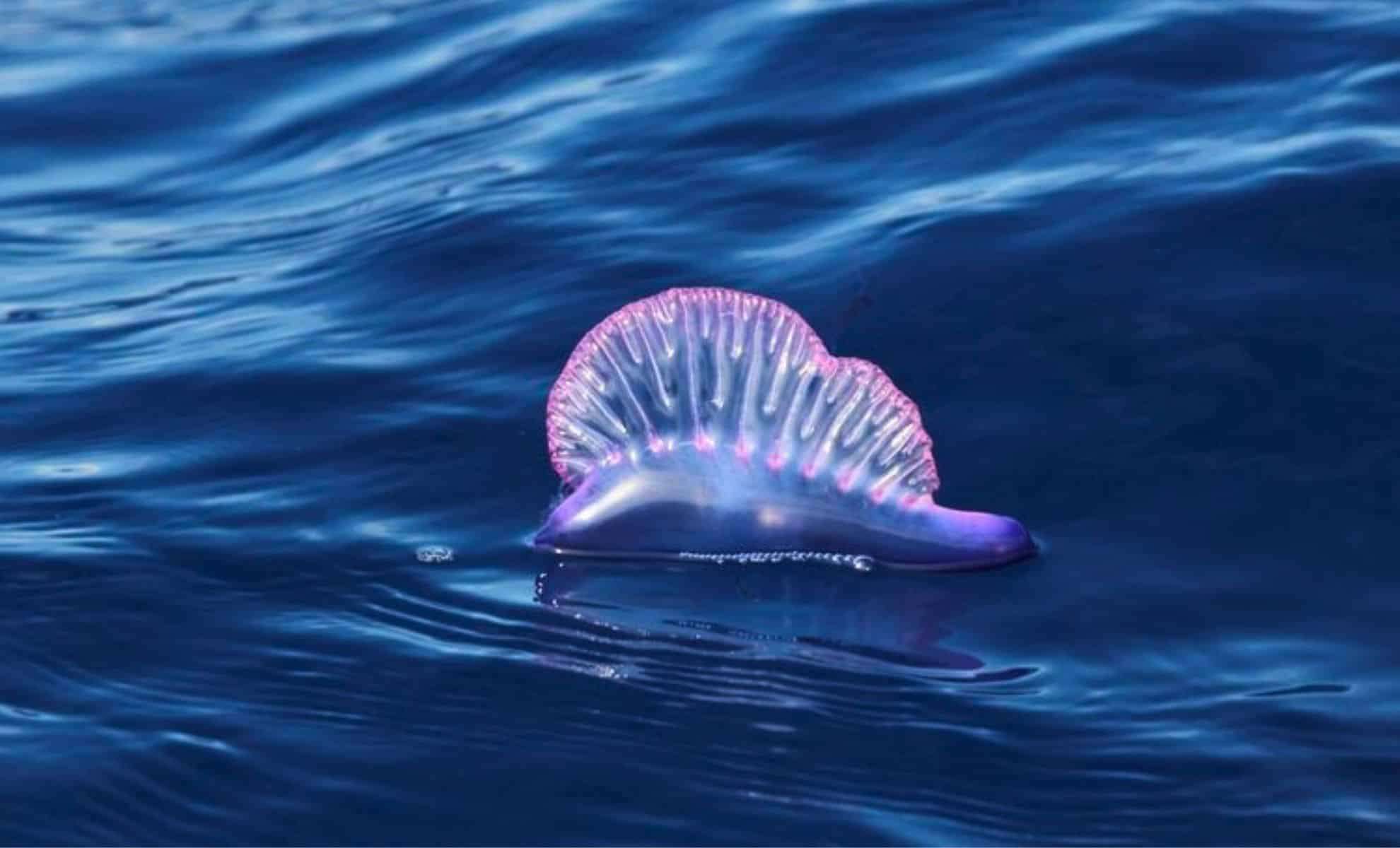
If you’re heading to the French Basque coast or the Landes area this summer, be vigilant of a marine creature resembling a jellyfish but far more perilous. The Portuguese Man O’ War (Physalia physalis), known for its striking colors and long tentacles reaching up to 20 meters, has recently appeared along southwestern France’s shoreline. Its venom, potent enough to cause serious health complications, has forced authorities to shut down multiple beaches for public safety. Here’s what you should know about this mesmerizing yet dangerous ocean inhabitant.
Introducing the Portuguese Man O’ War
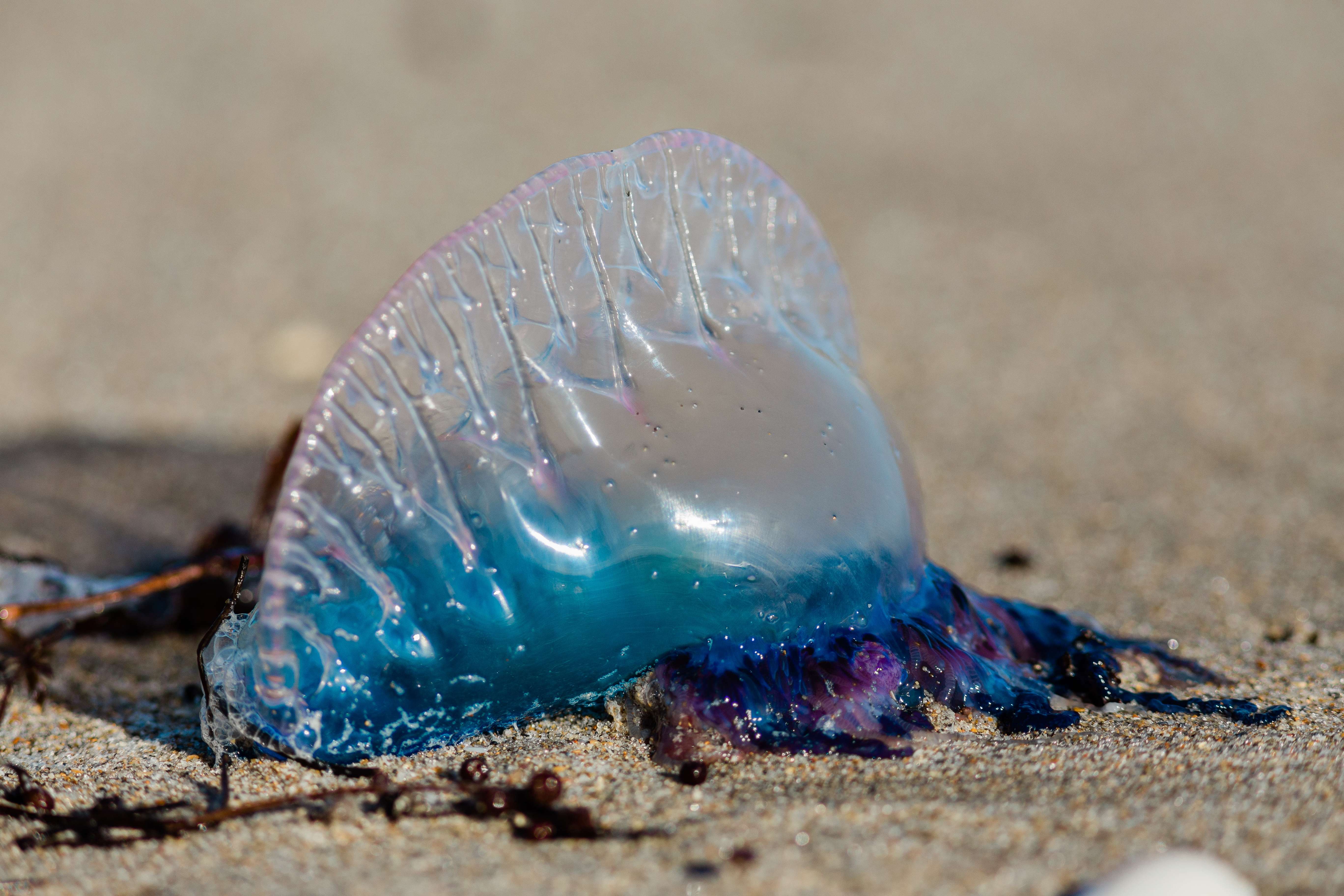
At first sight, the Portuguese Man O’ War might be mistaken for a jellyfish floating in the waves. Yet, it is actually a colonial organism composed of four unique components working together. The distinctive gas-filled float stays above the water, resembling a vibrant balloon, while its long, trailing tentacles hang beneath. Unlike solitary jellyfish, each part of the Portuguese Man O’ War plays a vital role in the colony’s survival.
Typically inhabiting tropical and subtropical seas, this astonishing creature has recently ventured into the cooler waters of the Atlantic Ocean, sometimes drifting to southwestern France’s coast. Although its vivid appearance might attract beachgoers, it’s highly advisable to keep your distance due to the venomous tentacles capable of delivering a severe, potentially life-threatening sting.

Reason Behind Beach Closures
The arrival of the Portuguese Man O’ War has led officials in the Basque Country and Landes regions to close several beaches for visitor protection. Since July 25, 2025, numerous well-loved coastal locations such as those in Bidart, Biarritz, and Anglet have been temporarily shut down. This action follows multiple reports of sightings, especially in areas popular among tourists.
In Bidart alone, five beaches including Pavillon Royal and Erretegia beaches have displayed red flags as a strict swimming prohibition, reports the regional French outlet Sud Ouest. Additional closures include spots like Marbella and La Milady beaches in Biarritz due to recurring appearances of these marine animals.
While recent captures tend to be smaller Portuguese Man O’ War specimens, authorities are cautious during this busy tourist season. Preventing injuries by closing beaches is deemed preferable to managing possible emergency cases resulting from stings.
Risks Posed by the Portuguese Man O’ War’s Venom
The venom of the Portuguese Man O’ War is what makes it especially hazardous. Contact with its tentacles can produce intense pain, swelling, and skin redness. Beyond topical irritation, the venom can cause more critical health complications, including respiratory distress, heart failure, and neurological effects. Symptoms like nausea, fever, and anxiety can also manifest rapidly after a sting.
The potency of the venom is sufficient to kill some small ocean creatures, and although deadly stings for humans are rare, fatal reactions have occurred. Victims often struggle to swim due to the intense pain, increasing the risk of drowning.
Immediate medical attention is essential if stung. Treatments range from controlling the pain to more advanced care depending on how severe the symptoms are. While most recover within days, it’s always safest to consult a health professional without delay.
- Categories:
- News









0 comments
Sign in to Comment