
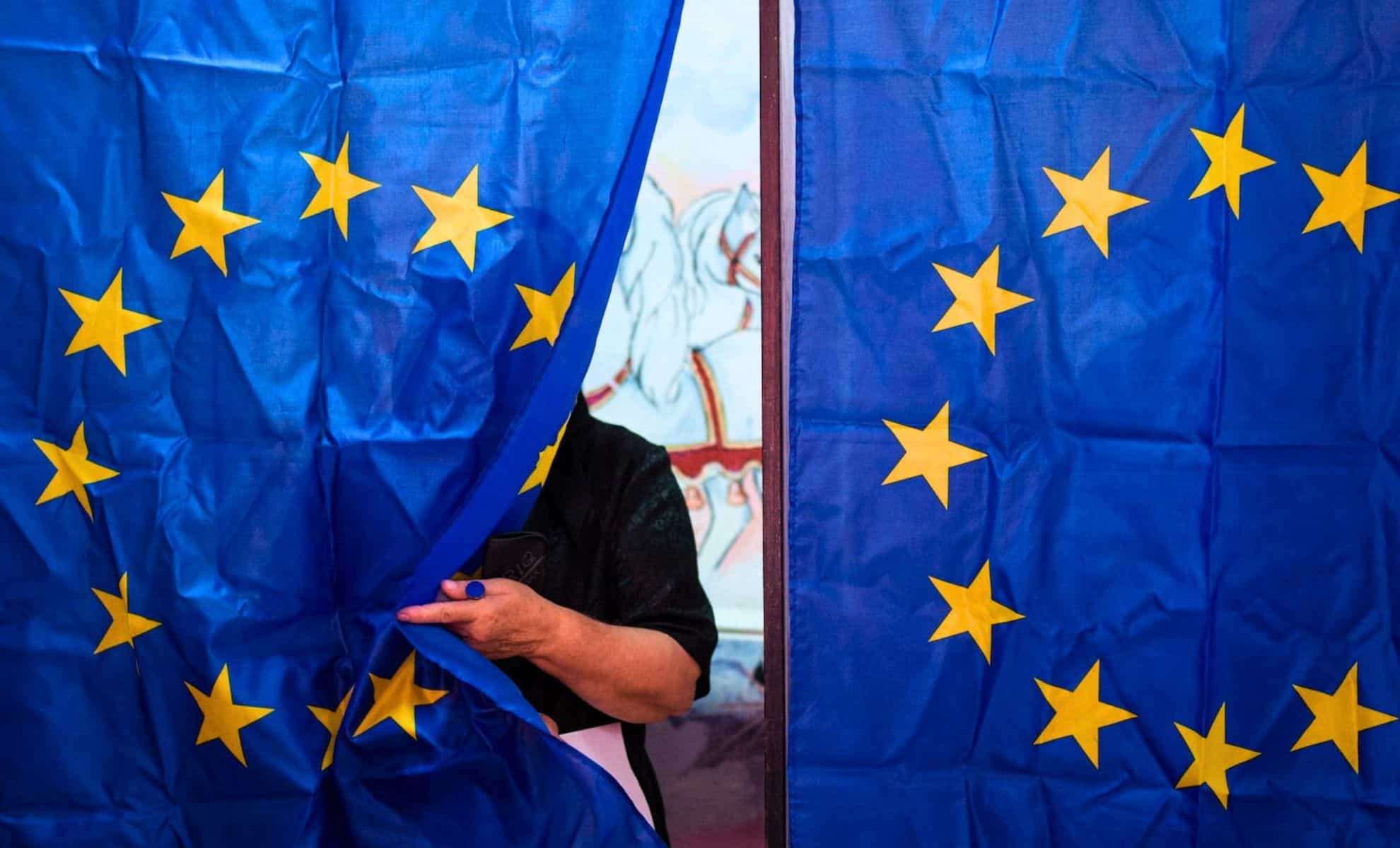
On the morning of July 27, 2025, Ursula von der Leyen arrived in Scotland. Later that day, at Donald Trump’s Turnberry golf resort, the European Commission president finalized what many describe as the most divisive trade agreement in recent EU history.
Following a demanding three-hour negotiation, the deal was confirmed: tariffs on European products entering the U.S. will soar to 15 percent. However, these increased tariffs are just the surface of a deal that fundamentally alters Europe’s economic and geopolitical landscape for years ahead.
Uniform 15% Tariffs on European Exports
The headline change is a uniform tariff rate of 15 percent imposed on almost all European exports to the U.S.—from vehicles and medicines to gourmet foods like cheese and wine. For example, an E-Class Mercedes priced at €60,000 in Europe will now carry an additional €9,000 in U.S. tariffs.

Trump has declared this standardized tariff as the new norm globally, extending identical terms to countries such as Japan and Vietnam, and now the EU. This straightforward approach replaces complex trade deals riddled with hundreds of individual tariff categories.
The impact, however, varies widely. German automakers with U.S. plants face less exposure, while many smaller and medium-sized European companies may find the 15 percent levy threatening their survival.
Record $750 Billion Commitment to U.S. LNG
A major component involves energy purchases. Europe has pledged to acquire $750 billion worth of American liquefied natural gas (LNG) over the next three years—about $250 billion per year. To compare, Europe imported roughly $80 billion in U.S. LNG in 2024. Scaling up imports to this level poses considerable logistical challenges that many experts deem unfeasible with current infrastructure.
This potential impossibility strengthens the U.S.’ bargaining power; any shortfalls in delivery may lead to escalating tariffs. Essentially, Europe is transitioning from dependence on Russian gas to reliance on costlier American LNG.
Massive Military Procurement Favoring U.S. Suppliers
The deal also requires Europe to purchase $150 billion in American defense equipment, including F-35 fighter jets, Patriot missile systems, and other military technologies. This represents a significant gain for U.S. defense manufacturers but threatens Europe’s own defense sector. Collaborative projects such as the Franco-German fighter jet and drone programs now face uncertain futures.
Growing Divisions Within the EU
While Trump left Turnberry beaming, the EU emerged divided. German Chancellor Friedrich Merz described the agreement as practical, stating, “A 15 percent tariff is preferable to losing U.S. market access completely.”
In contrast, French leaders voiced strong opposition, labeling the pact a “surrender.” Italian Prime Minister Giorgia Meloni took a nuanced stance, publicly endorsing the deal while reportedly securing silent compromises for Italian industries.
Smaller member states felt marginalized. Ireland, heavily reliant on U.S. pharmaceutical exports, stands to suffer greatly. Dutch officials worry their ports will become mere LNG transit points. Belgium and Luxembourg caution about negative effects on chemicals and financial sectors. Many governments only learned the agreement’s details post-signing.
Financial Markets React Sharply
The markets responded quickly. The euro weakened by 0.7 percent against the dollar. European car manufacturers saw stock prices decline—Volkswagen fell 3 percent and Stellantis 2.5 percent.
Meanwhile, U.S. LNG companies experienced notable gains. Cheniere Energy’s shares rose 5 percent in a day. Defense firms also enjoyed significant upticks. Analysts at Morgan Stanley summarized bluntly: “Buy America, sell Europe.”
The so-called “Trump Standard” of a 15 percent tariff is increasingly viewed not as a unique deal but as a blueprint for global trade policy during Trump’s second term.
Europe’s Strategic Independence Under Threat
This Turnberry agreement represents more than trade changes. It deepens Europe’s dependencies in key areas: trade policy controlled by Washington, a massive U.S. LNG import obligation, and procurement of American military hardware.
Efforts over years to achieve “strategic autonomy”—Europe’s position as an independent global actor distinct from both the U.S. and China—appear further away than ever. One expert described the arrangement as “the largest satellite relationship in modern economic history.”
The question remains: was Europe averting a worse fate, or did it simply capitulate under pressure? Advocates point out Trump initially threatened tariffs as high as 30 percent, and that the final agreement mitigated deeper harm. Critics argue von der Leyen lacked a united front and bargaining strength, handing Trump a major win.
- Categories:
- News











0 comments
Sign in to Comment