
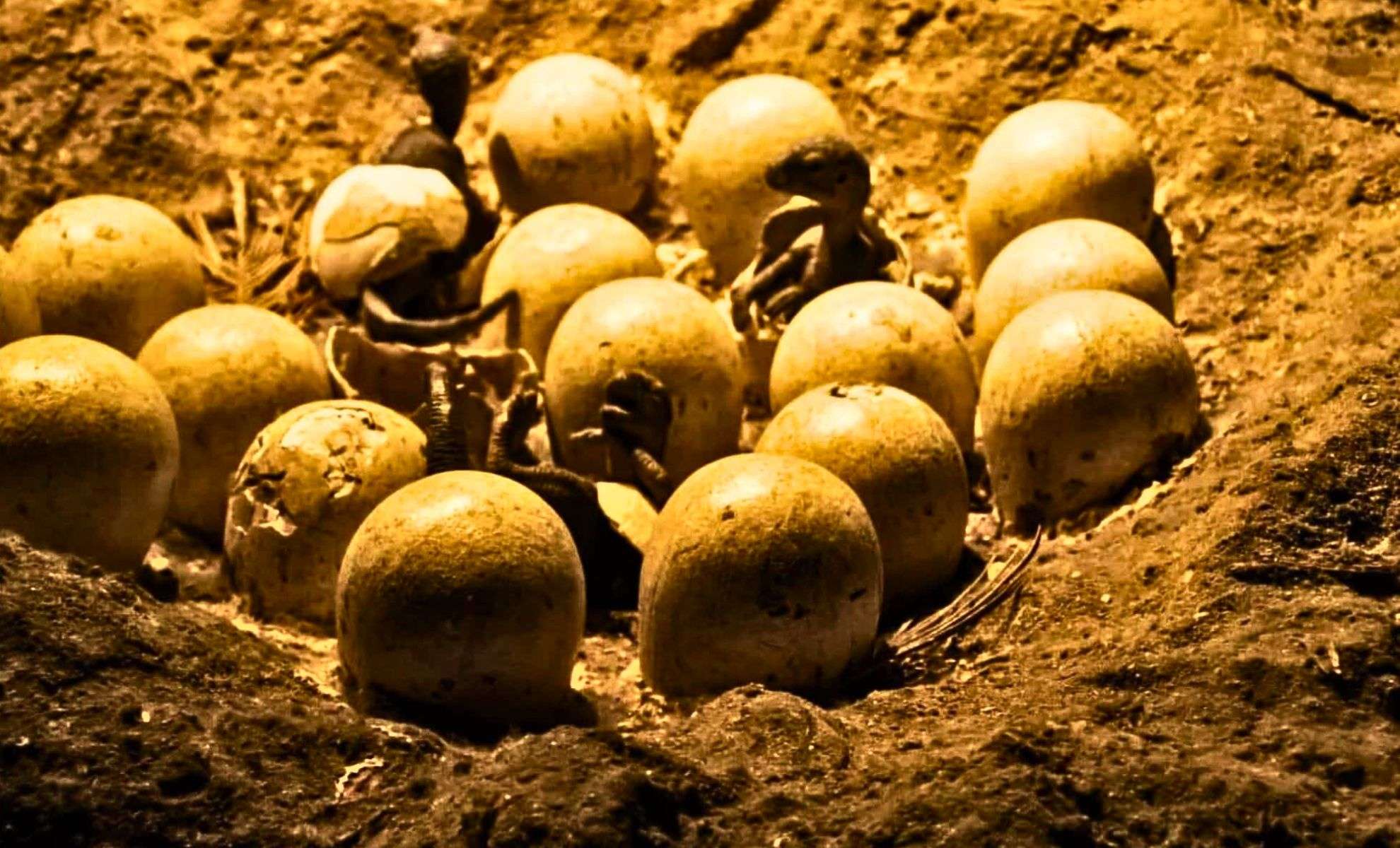
A fossilized dinosaur embryo, astonishingly preserved inside an egg from southern China, is providing researchers with fresh clues on the evolutionary roots of bird-like behavior. Estimated to be over 70 million years old, this specimen—known as Baby Yingliang—ranks among the most intact dinosaur embryos uncovered, with its curled posture captivating scientists.
Detailed in the peer-reviewed journal iScience (Cell Press), the research highlights the embryo’s “tucking” stance—a sophisticated pre-hatching behavior previously recognized only in birds. This marks the inaugural discovery of such a position in a non-avian dinosaur, prompting new discussions about the evolution of this reflex and the connection between modern birds and their dinosaur ancestors.
An Overlooked Treasure in Museum Storage
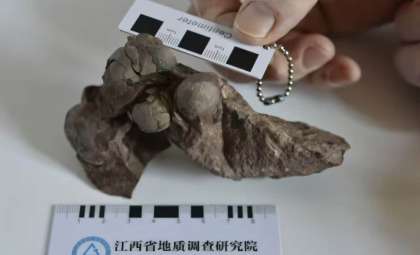
The egg encasing Baby Yingliang had remained unnoticed at the Yingliang Stone Natural History Museum in Fujian Province for more than ten years. Originating from a fossil collection donated in 2000, it likely came from a discovery during construction at the Shahe Industrial Park near Ganzhou, a site famed for dinosaur finds in Jiangxi Province. Its significance only became apparent in 2015 when a museum employee spotted bones through a small shell crack.

“Finding the embryo in such flawless condition was an incredible surprise,” said Waisum Ma, University of Birmingham paleontologist and study co-author. “It stands as one of the most complete dinosaur embryos ever documented.”
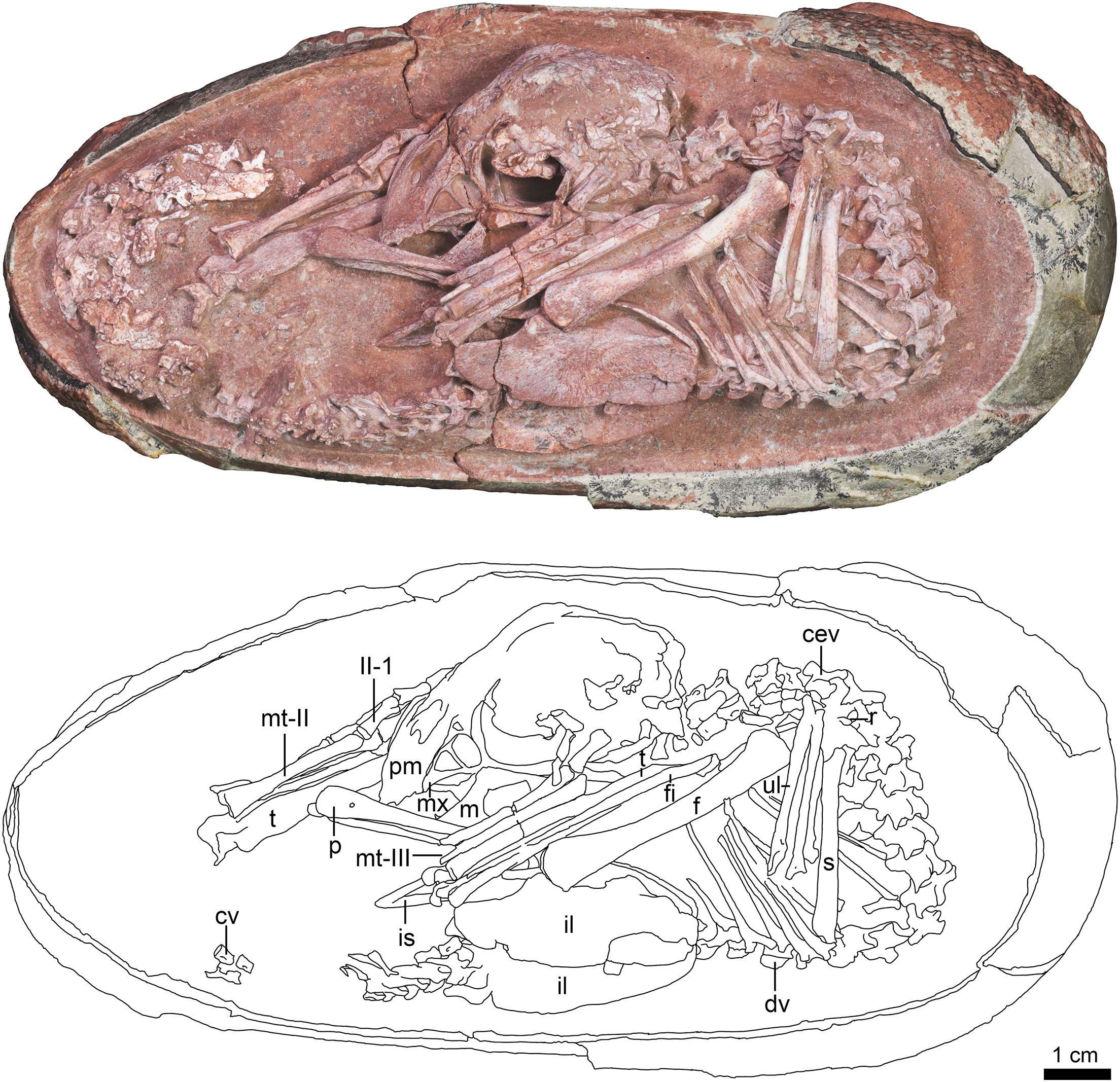
Measuring approximately 27 centimetres in length, the embryo is classified as an oviraptorosaur—part of a feathered, bird-like group of theropod dinosaurs that roamed during the Late Cretaceous. They share close kinship with today’s birds, although they aren’t direct ancestors.
A Posture Previously Seen Only in Birds
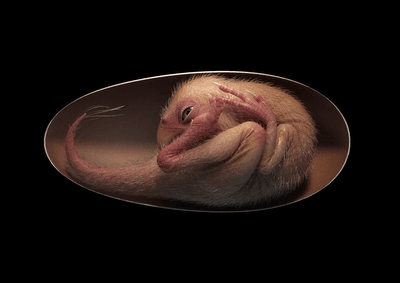
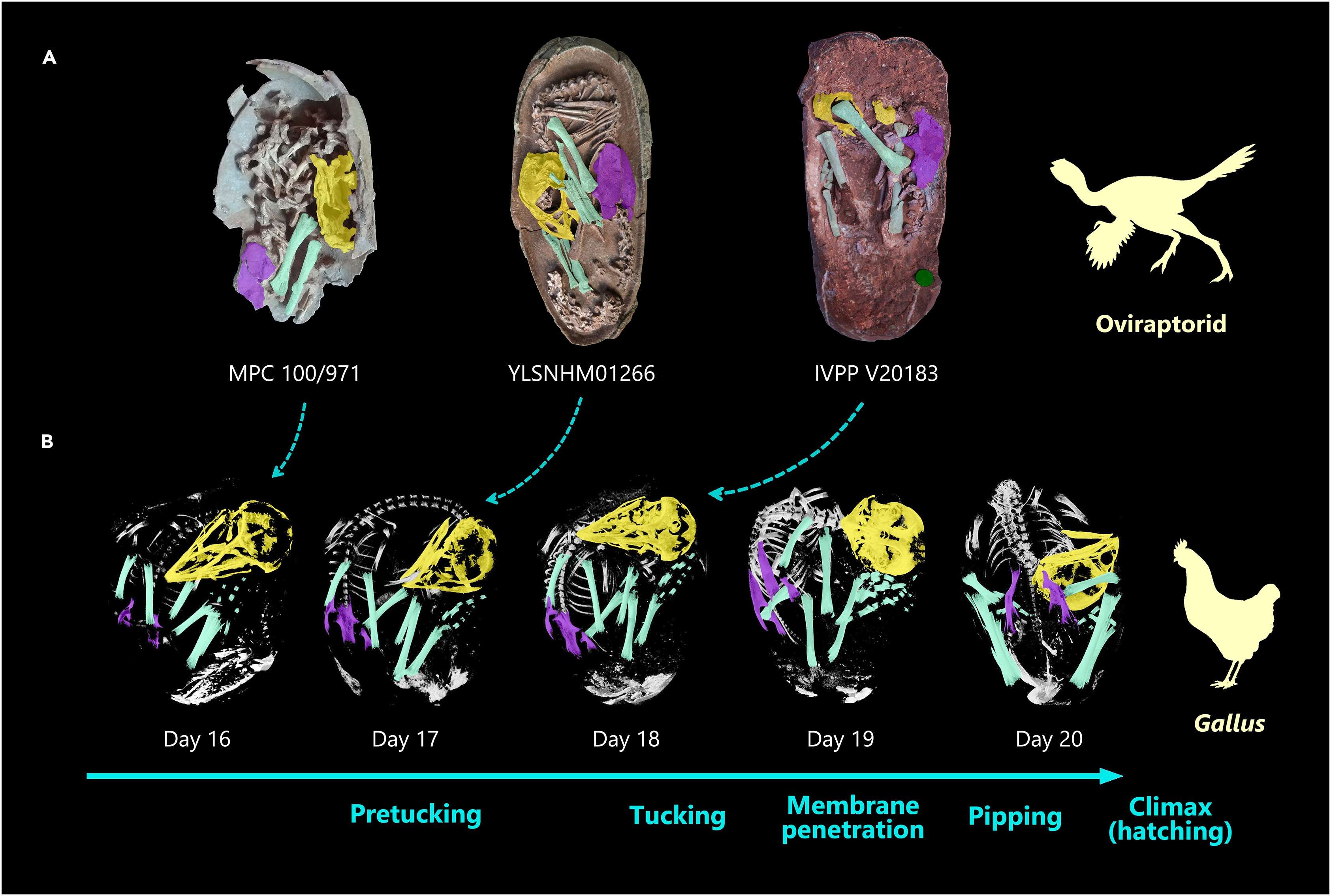
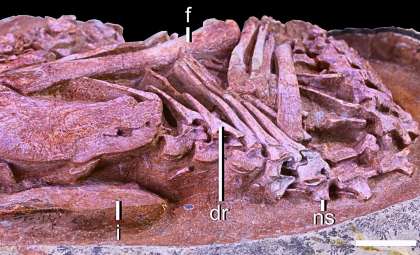
The embryo’s remarkable curled position makes this discovery unique: its head tucked beneath the body, feet positioned alongside, and spine arched along the egg’s base. This mirrors the “tucking” behavior observed in bird embryos moments before hatching, a reflex controlled by the nervous system essential for emerging safely from the shell.
Data from bird hatcheries and embryology indicates that failing to adopt this position often results in mortality. The researchers suggest that this “pre-hatching tucking” instinct may have evolved earlier than formerly believed, perhaps emerging with theropod dinosaurs. Until now, such behavior had never been documented outside the bird lineage.
“This tiny dinosaur embryo curled inside its egg looks strikingly like a baby bird,” remarked Steve Brusatte, evolutionary biologist at the University of Edinburgh and study co-author. “It strengthens the idea that many traits we associate strictly with birds actually developed long before they existed.”
Rewriting Evolutionary Understanding with One Exceptional Fossil
Dinosaur embryos are extremely rare, and even fewer retain detailed bone structures or postures that can reveal behavior. That makes Baby Yingliang a crucial “Rosetta Stone” for deciphering avian evolution.
The study's authors propose that the egg’s pristine preservation may result from rapid burial in fine sediment, potentially caused by flooding or sudden ecological disruptions. The concentration of oviraptorid fossils found in the same region over time has made Ganzhou a hotspot for Late Cretaceous paleontology.
However, the researchers emphasize caution. “This is a single specimen,” Ma noted. “Additional finds with similar preservation will help confirm if this behavior was widespread among dinosaurs.”
Tracing Behavioral Evolution Through Time
The significance extends beyond posture alone. Confirming tucking behavior in other species would imply that modern birds inherited not only physical attributes like feathers and hollow bones but also intrinsic developmental behaviors from their dinosaur ancestors.
While the idea might seem astonishing, Baby Yingliang stands as tangible evidence linking ancient theropods with the birds flitting in today’s skies, all sharing the instinct to curl inside their eggs before hatching.
With ongoing advances in high-resolution imaging and computed tomography (CT) scanning, paleontologists are optimistic that more examples of these pre-hatching behaviors will emerge, allowing a clearer view of how deeply bird biology is rooted in the dinosaur era.
- Categories:
- Science



0 comments
Sign in to Comment