
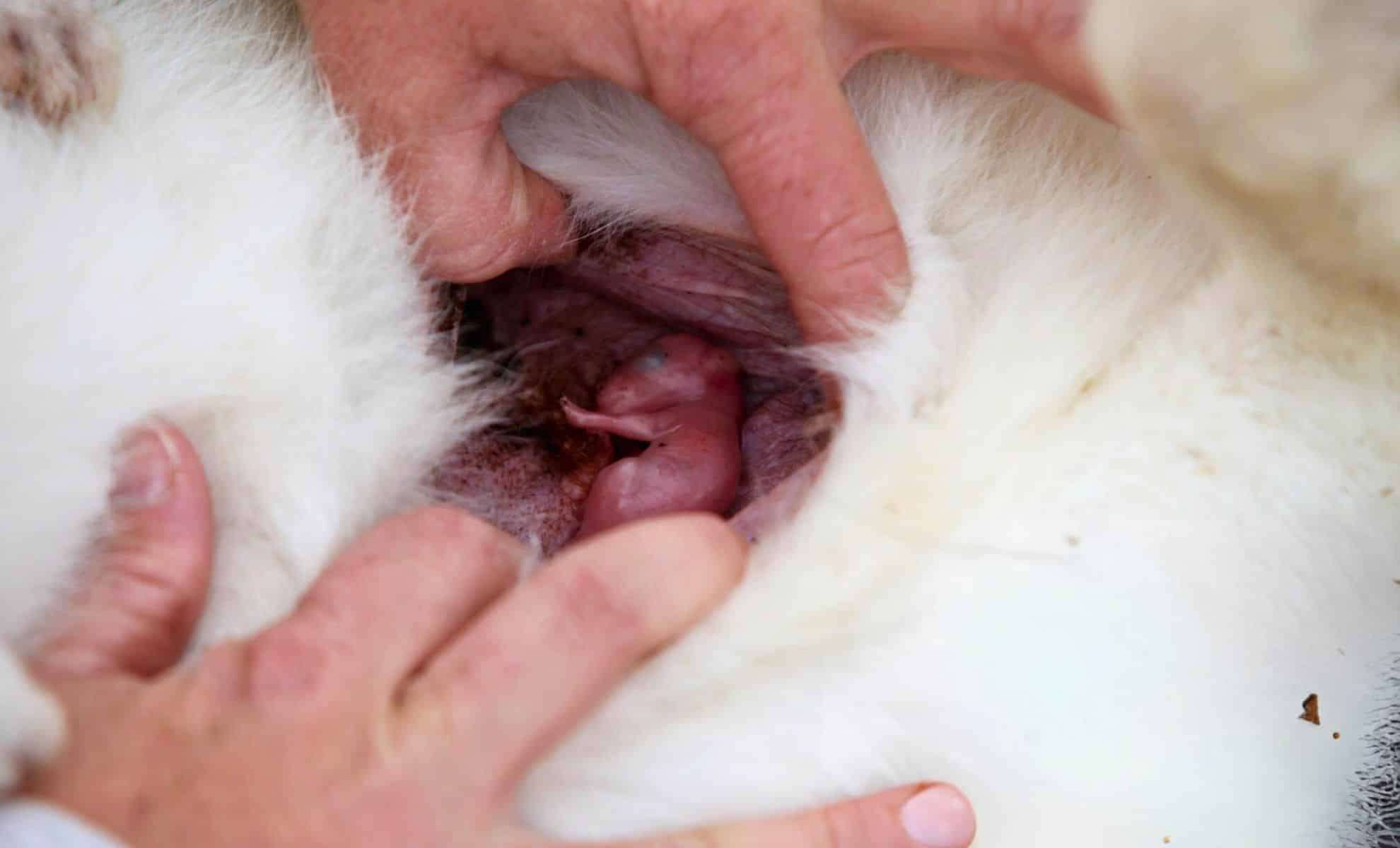
In a pioneering scientific achievement, researchers have successfully produced the first-ever kangaroo embryo through in vitro fertilization (IVF). This development, led by Dr. Andres Gambini and his team at the University of Queensland, offers new hopes for conserving endangered Australian marsupials like koalas, wombats, and Tasmanian devils.
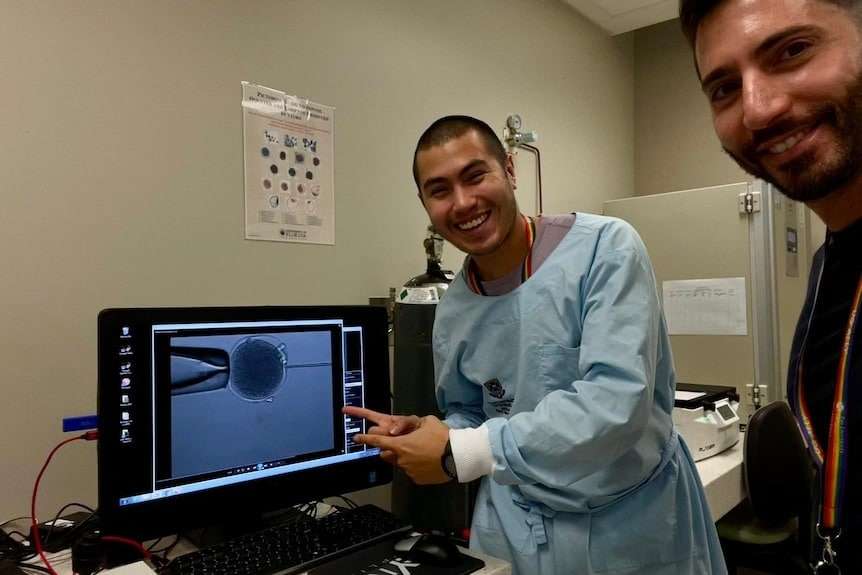
This breakthrough marks the debut use of intracytoplasmic sperm injection (ICSI) in kangaroo reproduction, a method where a single sperm is carefully injected directly into an egg to trigger fertilization.
Hope for Australia’s Threatened Marsupials
Home to many unique and vulnerable marsupial species, Australia faces growing threats from climate change, habitat loss, and diseases, putting populations at risk. Maintaining strong genetic diversity is vital to their survival.

“Losing species leads to a decrease in genetic variation, which creates many challenges linked to inbreeding,” noted Dr. Gambini.
Applying IVF technology enables conservationists to preserve and reintroduce genetic material from deceased animals, potentially improving population resilience and preventing permanent biodiversity loss.
How the Scientific Feat Was Achieved
This IVF accomplishment was possible through the ICSI technique, commonly used in human fertility treatments. A needle even finer than a human hair was used to inject a single sperm into a mature egg, enabling fertilization within a lab setting for the first time in kangaroos.
“This technique lets us meticulously insert one sperm into the egg using a microscopic needle,” explained Dr. Gambini.
Developing IVF protocols for marsupials has been complex due to limited knowledge of their reproductive biology and the difficulties faced in freezing their sperm for preservation.
Exploring Marsupial Reproductive Mysteries
One remarkable trait among kangaroos and other marsupials is embryonic diapause, a natural pause in embryonic development lasting months until environmental conditions improve.
Understanding this unique reproductive strategy can expand knowledge in reproductive sciences and potentially enhance human embryology techniques.
“Marsupials represent a fascinating lineage whose reproductive evolution over millions of years might provide valuable insights to human reproductive biology,” Dr. Gambini added.
Looking Forward: Obstacles and Opportunities
Despite this promising progress, achieving a live birth via IVF remains a goal anticipated to take at least another decade. Researchers must identify optimal conditions for transferring embryos into female recipients and improve long-term storage methods for marsupial reproductive cells.
“We need to determine the ideal recipient female and the precise timing and location for embryo implantation,” said Dr. Gambini.
Future advances in IVF technology could transform conservation efforts, supporting the survival of Australia’s iconic marsupial species. Ongoing research and investment are crucial to secure these animals a viable future.
Source: ABC News
- Categories:
- Science







0 comments
Sign in to Comment