
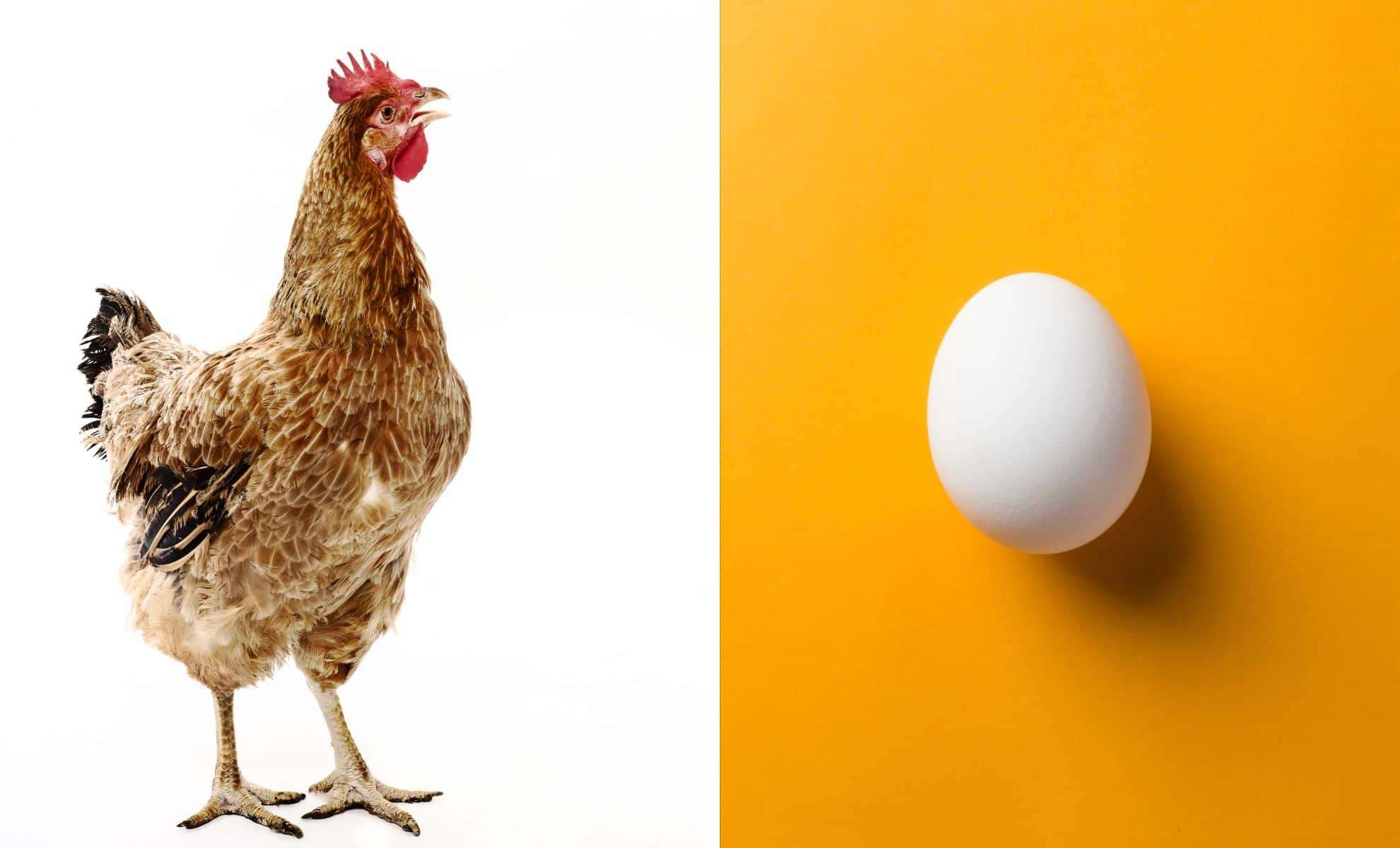
The age-old question of which came first—the chicken or the egg—has perplexed thinkers for centuries. Recent research, however, points to a remarkable unicellular organism, Chromosphaera perkinsii, as a key piece in this puzzle. This microbe reveals that the genetic foundations for egg formation existed over a billion years ago, predating not only chickens but all animals. This new insight not only tackles the classic dilemma but also provides a window into how early life evolved from single cells into complex multicellular entities.
A Billion-Year-Old Microorganism Illuminates Early Embryonic Traits
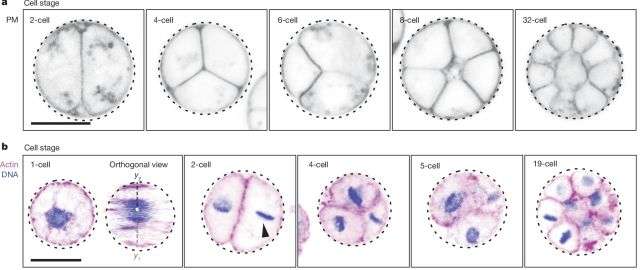
Chromosphaera perkinsii inhabits coastal marine habitats and has thrived on Earth for more than a billion years. Despite being unicellular, it demonstrates a fascinating reproductive mechanism that resembles the initial embryonic development seen in animals. During reproduction, this organism divides into clusters of smaller cells, forming assemblies with distinct cell types—an action typically linked with multicellular life. These clusters bear similarity to the blastula stage of animal embryos.
Omaya Dudin, a scientist at the Swiss Federal Institute of Technology and co-author of the publication, commented, “Even though C. perkinsii is a single-celled organism, its reproductive behavior reveals that multicellular coordination and differentiation are deeply rooted traits that existed before the rise of animals.” This ability suggests that the genetic mechanisms for producing eggs existed long before animals evolved, providing a fresh perspective on the chicken-or-egg debate.

The study observed that C. perkinsii forms colonies lasting about one-third of its lifecycle before breaking apart. These colonies contain at least two different cell types, echoing the differentiation process familiar in animal embryo development. Such findings imply that the genetic blueprint for egg creation goes back to Earth’s earliest unicellular ancestors.
Connecting Unicellular Life to the Rise of Multicellularity
Published findings in Nature challenge conventional views on when multicellular organisms first appeared. Belonging to a lineage diverging from animals over a billion years ago, C. perkinsii plays a crucial role in understanding the evolution from single cells toward complex life. Marine Olivetta from the University of Geneva noted, “Discovering such a species only recently lets us peer back over a billion years, revealing that the genetic tools to form eggs were in place well before chickens existed.”
The researchers probed whether these characteristics stemmed from a shared ancestor with animals or evolved separately through convergent evolution. Though convergent evolution remains a possibility, the parallels in reproductive strategies hint that an ancestral genetic toolkit enabled the evolution of multicellular coordination early in life’s history.
Reconsidering the Chicken-or-Egg Mystery and Evolutionary Origins
This work significantly impacts our understanding of the chicken-or-egg dilemma and life’s evolutionary path. The similarities between C. perkinsii and animal embryos strongly indicate that the genetic processes necessary for egg formation predate the advent of animals themselves. The study thus suggests that eggs, or their genetic precursors, came before chickens.
Beyond this long-standing mystery, the research reveals the remarkable adaptability of early life. By investigating ancient unicellular organisms, scientists are unraveling the steps that led to multicellularity and complex life. The authors concluded, “Further examination of how spatial cell differentiation occurs in C. perkinsii will be vital. Our findings place C. perkinsii at a critical evolutionary stage, bridging temporal and spatial cell differentiation, offering insights into the evolution of animal multicellularity.”
By filling the evolutionary gap between single-celled ancestors and multicellular animals, C. perkinsii opens new avenues for understanding life’s history. While the chicken-and-egg paradox has intrigued humanity for ages, this discovery provides a scientific explanation rooted in Earth's deep biological past.







0 comments
Sign in to Comment