
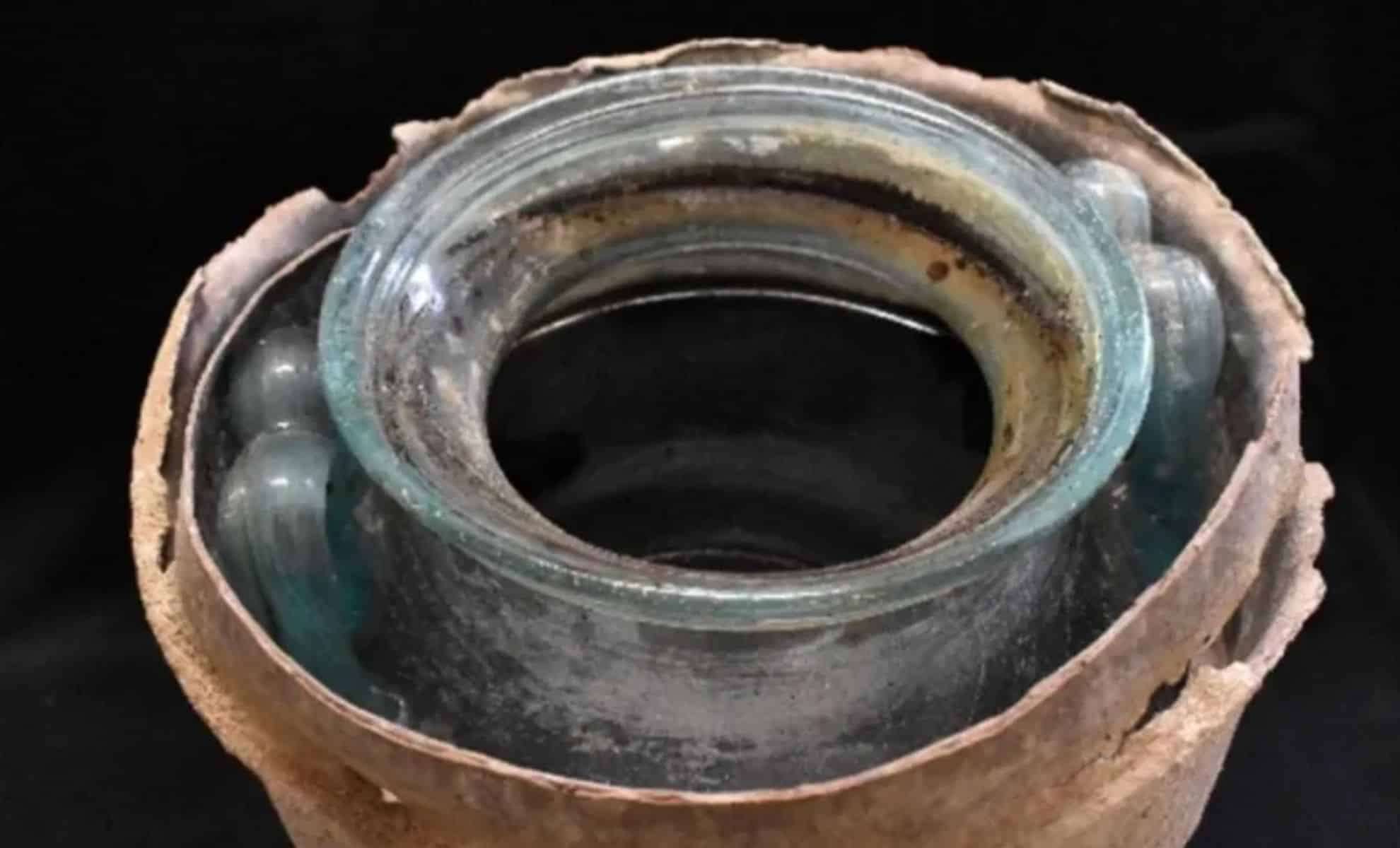
Researchers in Spain have identified what is now recognized as the oldest surviving liquid wine, preserved inside a sealed Roman burial urn dating back around two millennia. Reported in the Journal of Archaeological Science: Reports, the finding near Seville’s Carmona offers unique insight into Roman mortuary practices and ancient viticulture.
Unexpected Discovery During Home Renovation
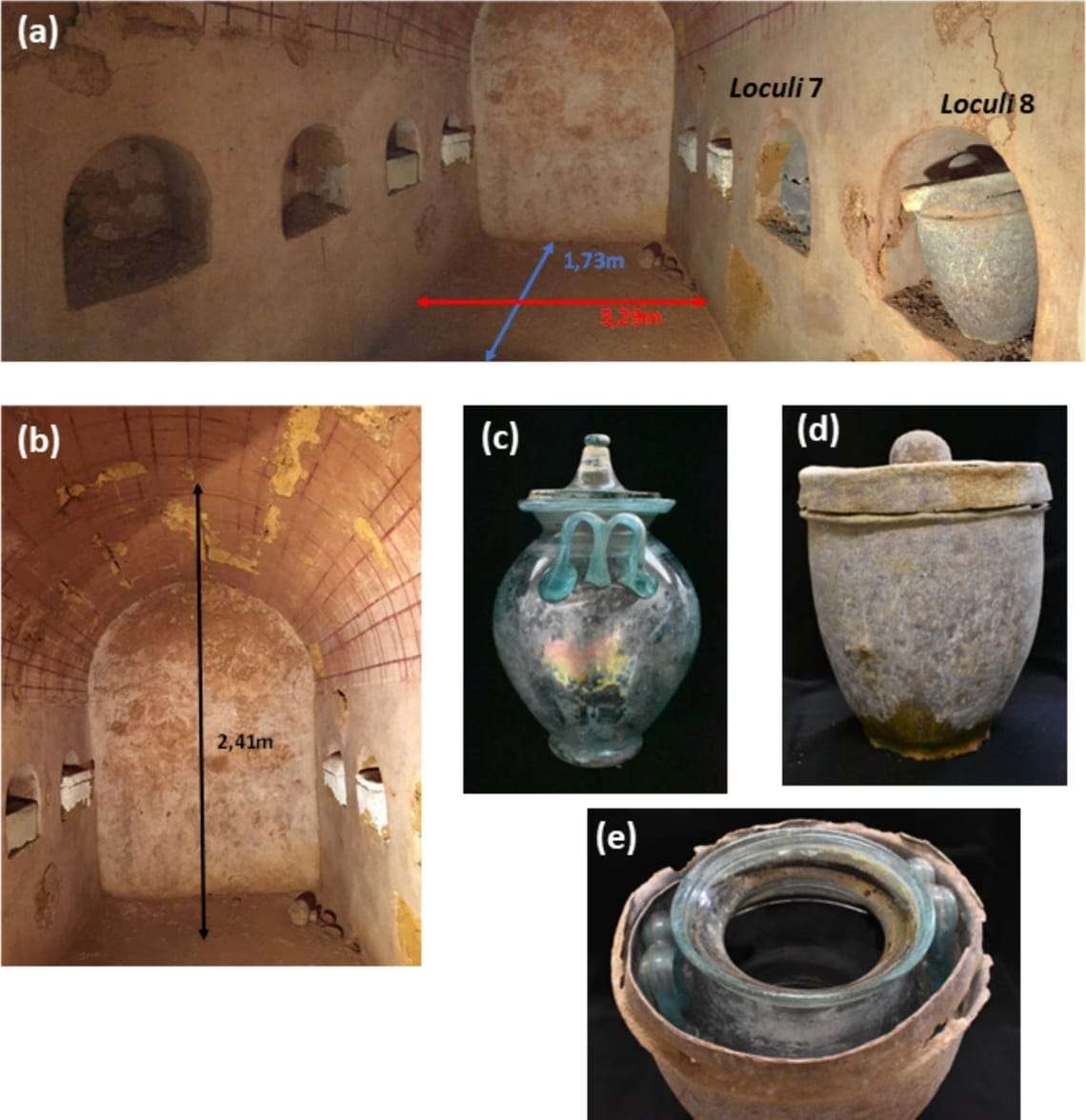
In 2019, a renovation project at a private residence led to the chance discovery of a buried Roman tomb. Archaeological experts were astonished by the intact state of this site, which lay undisturbed beneath thick rock layers. The burial chamber featured eight carved recesses, six containing urns crafted from materials like glass, lead, limestone, and sandstone.
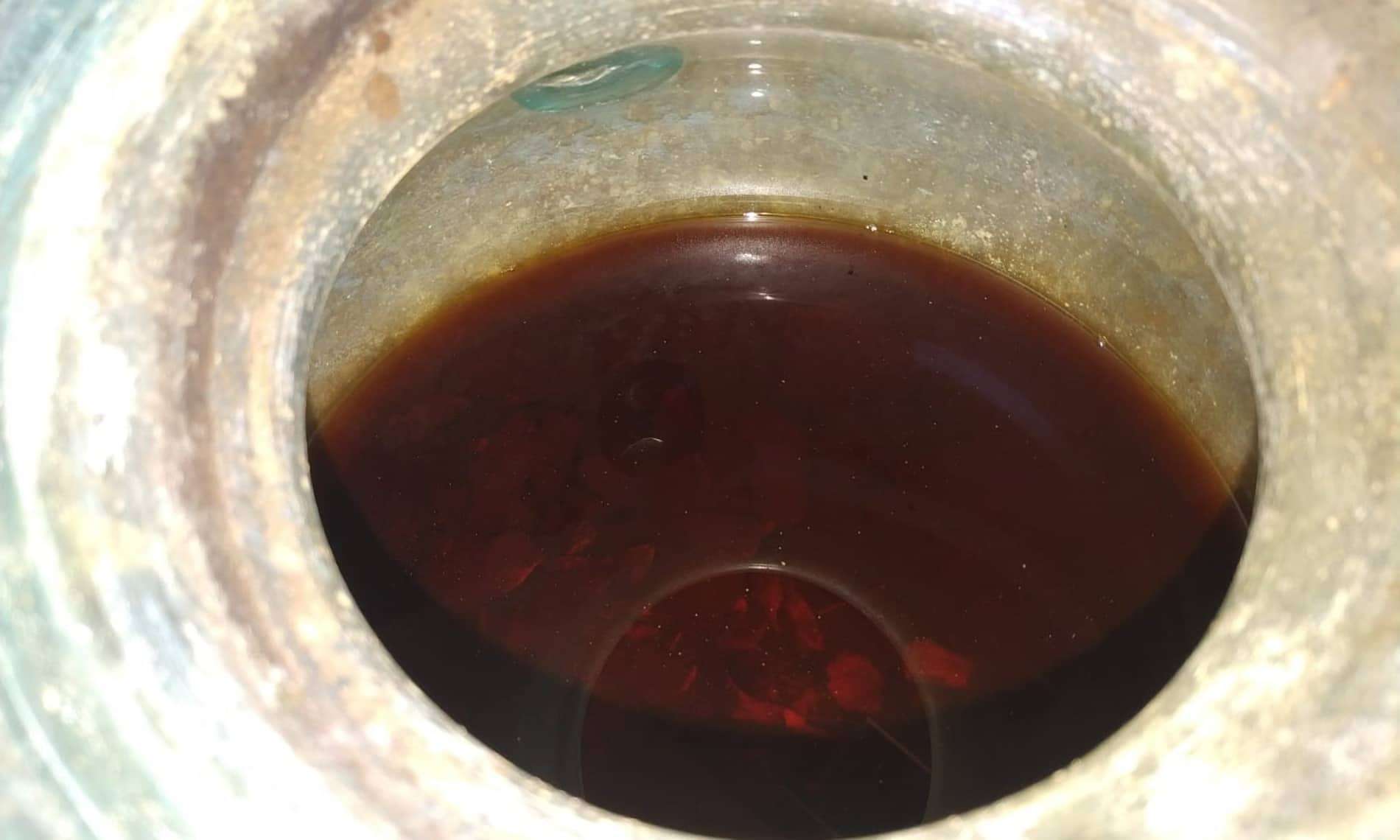
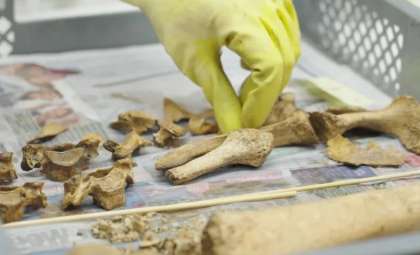
Among these, one glass urn was found nearly filled with a reddish-brown liquid, a highly unexpected find. Alongside this fluid were the cremated remains of a man and a gold ring embossed with the image of the two-faced Roman deity Janus, symbolizing transitions and beginnings. Additional remains included fragments possibly from the metal legs of the cremation platform.

Scientific Testing Validates Wine Identity
Experts at the University of Córdoba proceeded with an extensive chemical assessment of the enigmatic liquid. Its neutral pH around 7.5 was reminiscent of water. Analytical results revealed the presence of seven polyphenols, which are chemical indicators unique to wine. These compounds corresponded closely with the profiles of contemporary Andalusian wines, such as Montilla-Moriles whites, manzanilla from Sanlúcar, and Jerez-style sherries.
To determine the wine’s original type, researchers searched for syringic acid, a marker that forms when red wine pigments degrade. The absence of this compound confirmed that the wine was initially produced from white grapes, despite its current reddish shade caused by long-term oxidation and chemical changes.
Earliest Known Intact Liquid Wine
Previously, the oldest preserved liquid wine was found in a Roman vessel near Speyer, Germany, discovered in 1867. The sample from Carmona predates that find by more than 200 years, establishing it as the most ancient liquid wine known so far. Until this excavation, archaeologists had only detected wine residues embedded in pottery without liquid preservation.
This discovery also challenges preconceived notions about Roman burial rites. As the study highlights, urns generally contain ashes and ceremonial items. Finding a significant quantity of liquid was “an even greater surprise,” remarked co-author José Rafael Ruiz Arrebola, emphasizing that nothing like this had been documented before.
Safe to Drink, but Far from Palatable
Although the wine is microbiologically safe, Ruiz Arrebola pointed out that its context deters anyone from trying it. Due to being in prolonged contact with human remains, the wine appears “slightly murky from the bone fragments.” He joked about sampling “a tiny glass” with the lead archaeologist but ultimately refrained.
Organic chemist Daniel Cosano was more daring and tasted the liquid, describing a salty flavor consistent with the altered chemical composition. Despite technically remaining wine, the substance has aged for two thousand years in conditions far removed from any wine cellar — sealed inside an urn amid cremated remains.
This incredible find provides fresh perspectives on how the Romans approached rituals of death, remembrance, and legacy. As Ruiz Arrebola affirmed, “It’s been extraordinary for us, all passionate about archaeological chemistry, and the chance to uncover the world’s oldest wine is truly exceptional.”
- Categories:
- News





0 comments
Sign in to Comment