
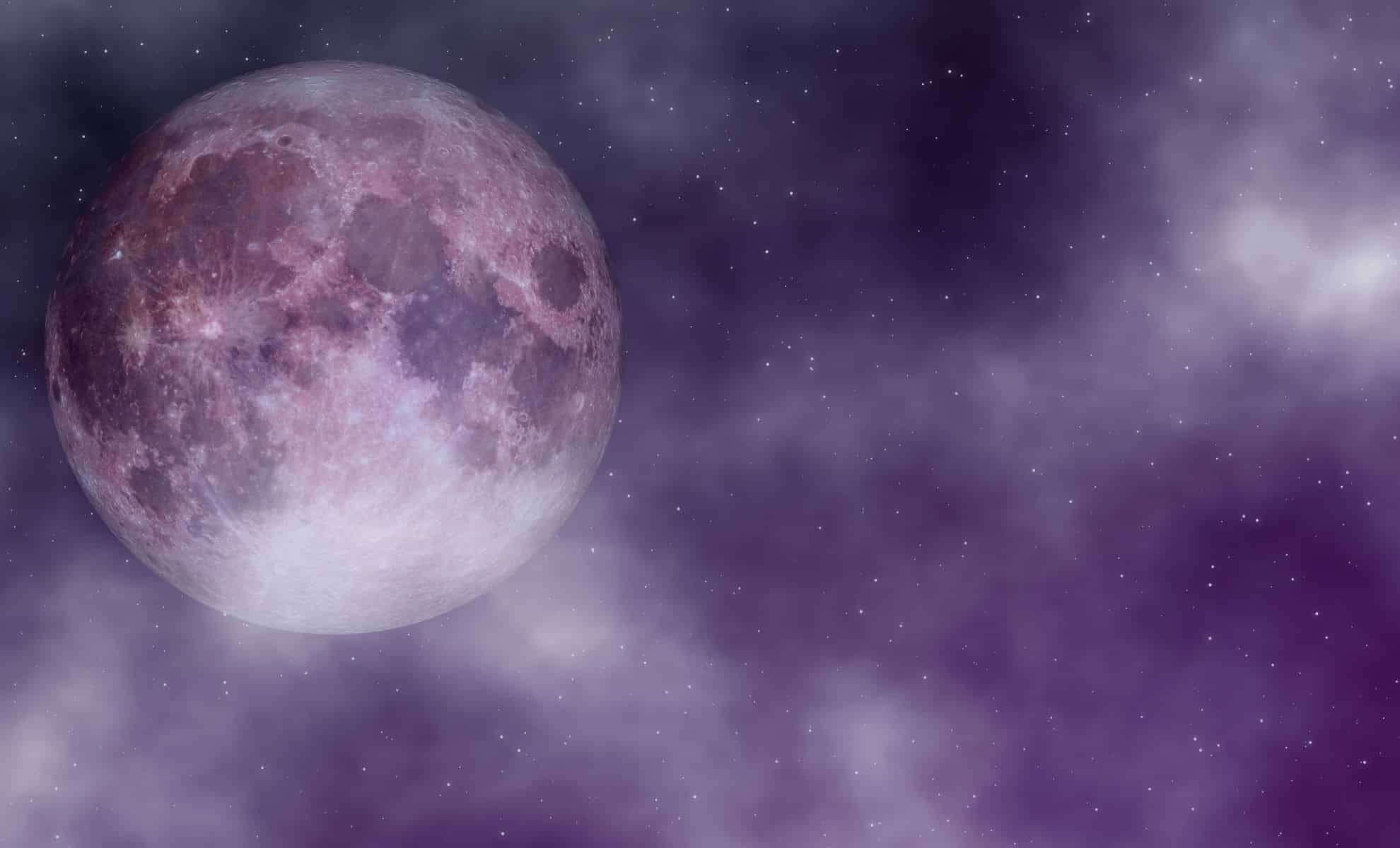
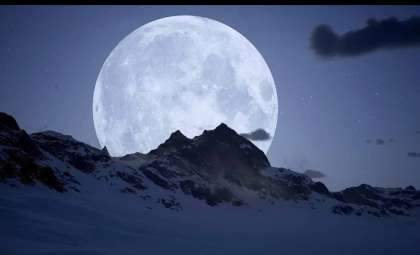
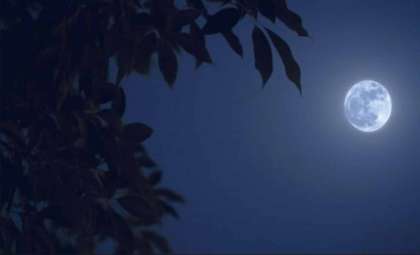
On Monday, May 12, observers around the world will witness the full moon of May, traditionally called the Flower Moon. This year, however, the moon will appear slightly smaller and less bright, as it is a micromoon, positioned farther from Earth than usual.
A Unique Lunar Display This Spring
As it rises in the eastern sky at sunset and sets in the west by morning, this year’s Flower Moon will shine from an unusually distant point.
At nearly 251,828 miles (405,278 kilometers) away from Earth, the moon will be at its apogee, the most distant spot along its elliptical path. This makes the full moon a micromoon, the subtle counterpart to a supermoon, which occurs when the moon is closest to Earth (perigee).

The Mechanics of the Micromoon Phenomenon
The moon’s orbit forms an ellipse rather than a circle, causing shifts in how large and luminous it appears from our vantage point. When a full moon coincides with apogee, it is known as an apogee full moon, or more popularly, a micromoon.
Though to the unaided eye the change may be subtle, this micromoon looks approximately 14% smaller and shines about 30% less brightly than a supermoon.
Timing and Best Viewing Spots
The moon will reach full illumination at 12:56 p.m. EDT on May 12, but the best chances to observe it will be after sunset as it rises in the evening.
For optimal sights, it’s ideal to find a vantage point with a clear, low horizon to the east to watch moonrise, or alternatively, a view to the west at dawn when the moon sets. Atmospheric effects such as Rayleigh scattering will tint the moon with a warm orange glow near the horizon, offering excellent photo opportunities.
Exploring Names of the May Full Moon
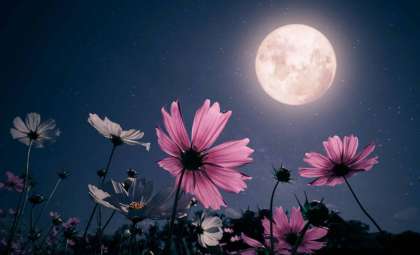
Although widely known as the Flower Moon, celebrating spring blooms in the Northern Hemisphere, this lunar event carries various traditional titles. The Anishinaabe (Ojibwe) community calls it the Sucker Moon, linked to their fishing season.
In Anglo-Saxon culture, it is named the Milk Moon, reflecting a time when cows were often milked thrice daily during May. Other titles like Mother’s Moon, Hare Moon, Grass Moon, and Bright Moon highlight the different cultural and seasonal stories tied to this night.
Looking Ahead to the June Strawberry Moon
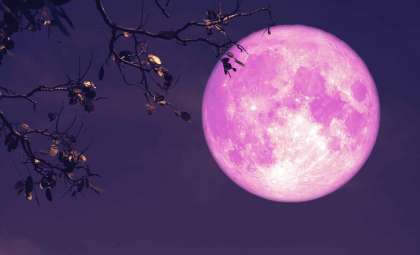
The upcoming full moon is the Strawberry Moon, scheduled for Wednesday, June 11, with the ideal viewing spot being dusk on Tuesday, June 10. It signifies the last full moon of spring in the Northern Hemisphere and occurs just 11 days before the summer solstice on June 21.
Whether a veteran astronomer or an interested observer, this year’s Flower Moon provides a wonderful opportunity to engage with the night sky’s natural cycles. Though it may not shine as brightly, its gentle presence offers a captivating celestial moment. Find a peaceful location, bring binoculars if you have them, and enjoy the enchanting springtime sky.
- Categories:
- News



0 comments
Sign in to Comment