
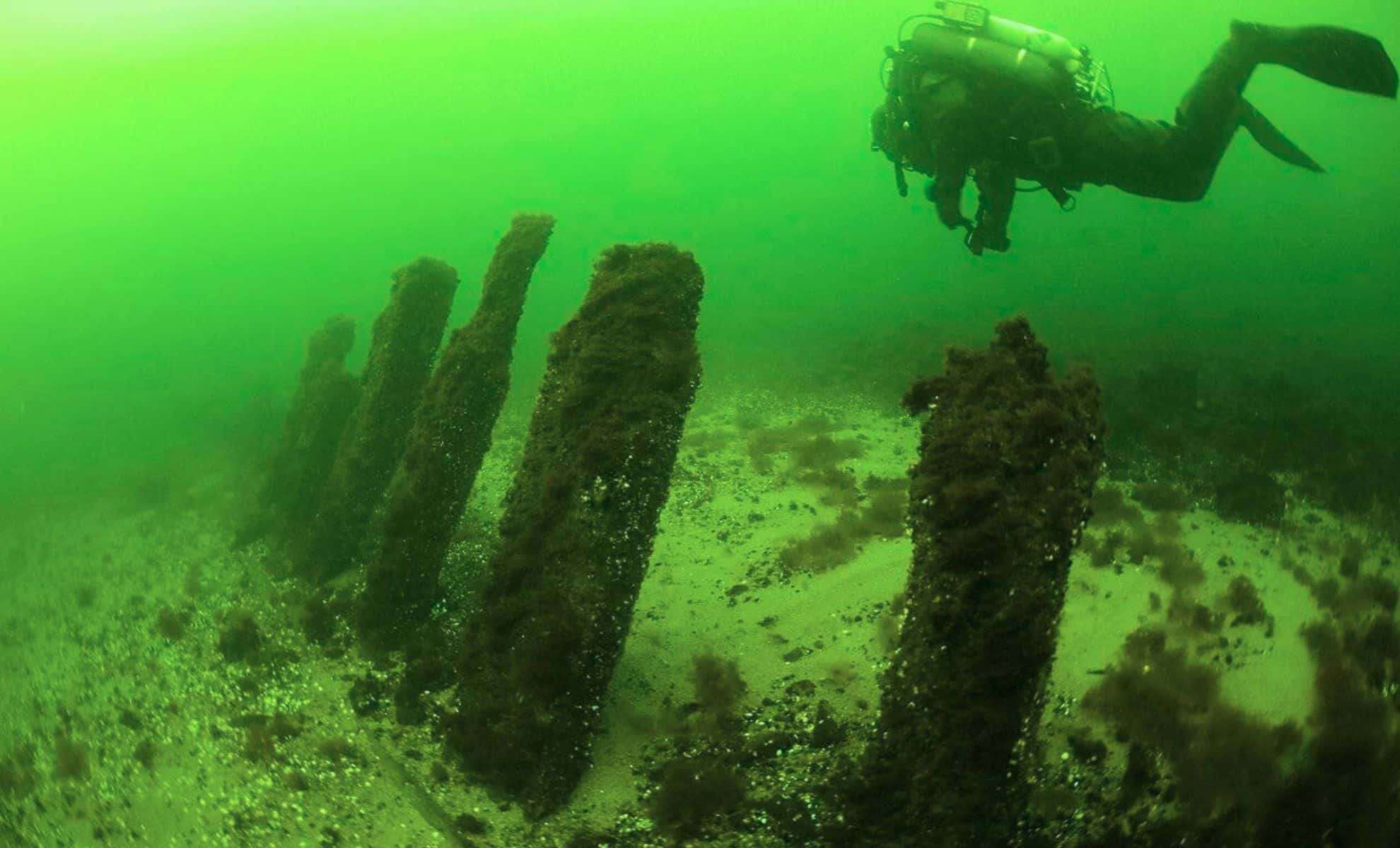
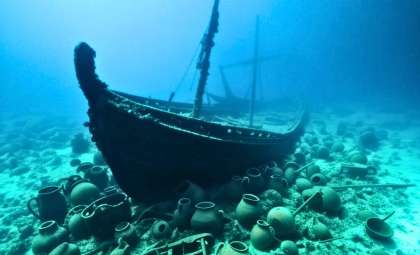
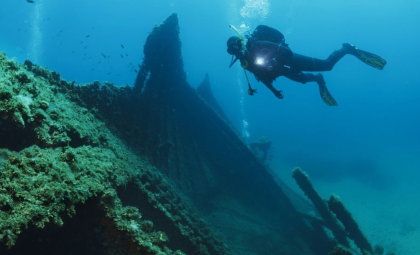
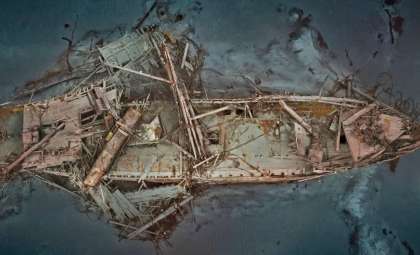
A stunning maritime find has emerged near Adrasan, Turkey, revealing an exceptionally preserved window into ancient sea trade. Resting at depths between 120 and 150 feet (about 46 meters), the shipwreck is shedding light on commerce during the Hellenistic and early Roman eras. This excavation underscores the reach of ancient trade routes and presents fresh evidence about early manufacturing and packaging methods.
Ancient ceramics showcase sophisticated preservation methods
Dating from the Late Hellenistic to Early Roman periods, the submerged vessel holds an impressive load of ceramic goods such as bowls, plates, trays, and jars. The outstanding feature here is the ceramics’ near-pristine condition, remaining stacked just as they were when the ship sank more than two millennia ago.
These items were enveloped in raw clay, serving as a protective coating that effectively prevented decay. This natural covering preserved the patterns and colors almost perfectly, a preservation quality rarely observed on such a scale underwater. This sealing technique safeguarded the cargo against marine deterioration over centuries.

Culture and Tourism Minister Mehmet Nuri Ersoy, who inspected the site, hailed the find as “a discovery like no other in the world.” He noted that the flawless condition of the cargo is a priceless asset both for Turkey and the world’s cultural history. The Minister emphasized that the cargo’s intact patterns demonstrate the clever preservation skills of ancient civilizations.
Insights into ancient trade logistics and maritime commerce
Among over 400 shipwrecks found between the ancient urban centers of Patara and Mersin, the Adrasan discovery adds valuable detail about historic seafaring trade in the eastern Mediterranean. Experts surmise this vessel was transporting consumer goods, and its beautifully preserved cargo reveals previously unknown details about ancient techniques for storage, packaging, and transport logistics. The careful layout of the cargo hints at highly developed methods used in securing goods during transit.
The shipwreck’s excellent condition offers a unique chance for researchers to examine artifacts in their original shipping arrangement, enhancing understanding of the practical realities of historic commerce and goods transport.
A bright future for marine archaeology
Artifacts from the Adrasan shipwreck will soon be displayed at the Mediterranean Underwater Archaeology Museum, currently under development in the Kemer Idyros area.
This museum aims to highlight the underwater archaeological treasures of the region. After the excavation phase concludes, the wreck site—known as the “Ceramic Sink”—will be opened for diving tourism, offering visitors an immersive experience exploring this historic shipwreck firsthand.
- Categories:
- News





0 comments
Sign in to Comment